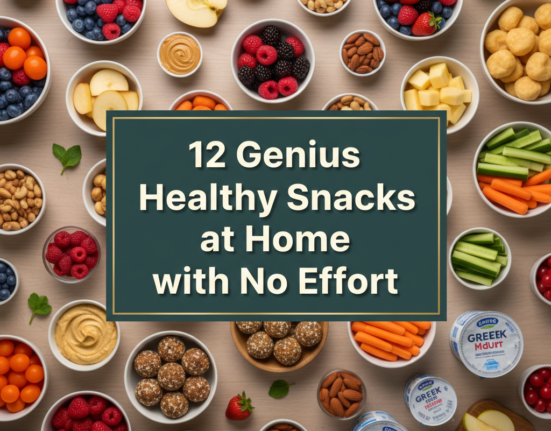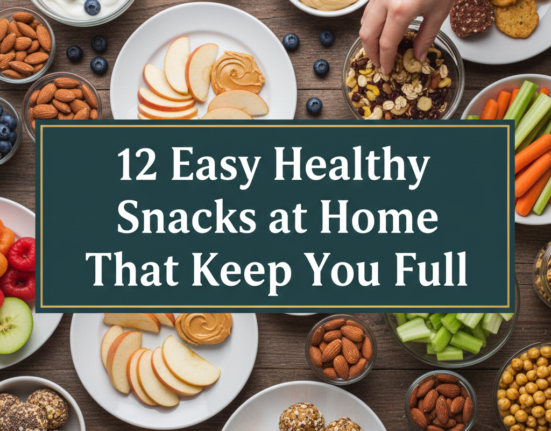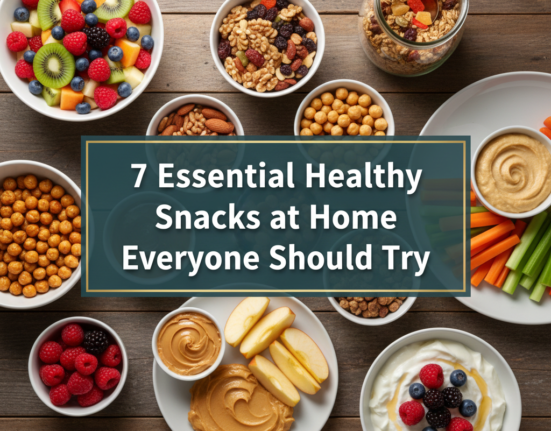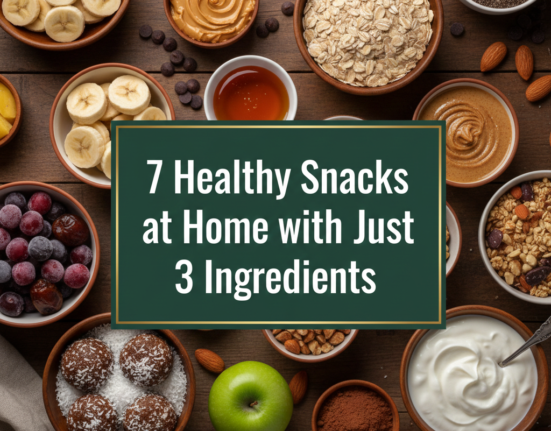
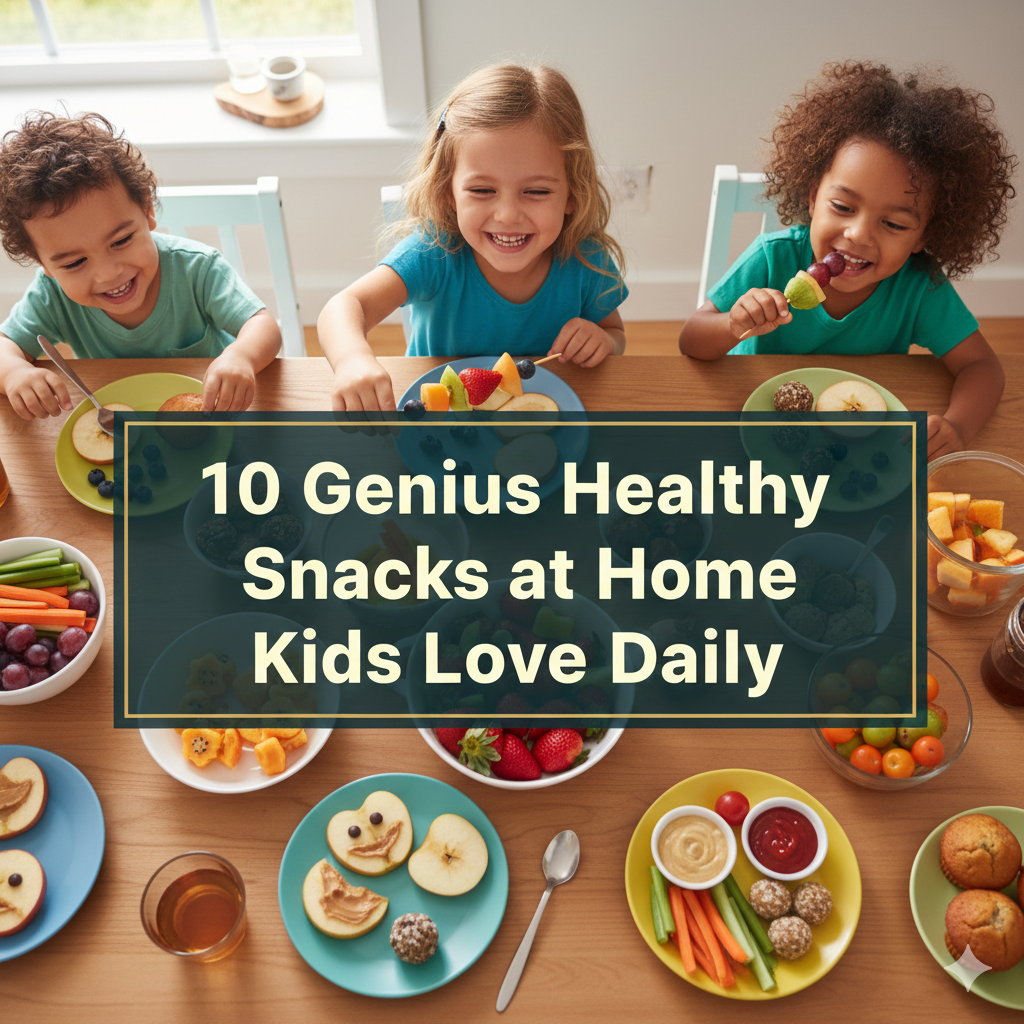
Getting kids to eat healthy snacks every day without constant battles is one of those parenting wins that feels almost magical when it happens. In our house, with two energetic boys who seem to have bottomless stomachs, I’ve learned that the key isn’t forcing veggies or banning treats—it’s making nutritious options look and taste like fun. These 10 genius healthy snacks are things my kids actually ask for daily, not just eat when there’s nothing else. They’re simple to prepare at home with everyday ingredients from the local store, no fancy equipment needed, and they pack in real nutrition like fiber, protein, and vitamins while tasting indulgent. I’ve tweaked these over years of trial and error—burnt batches of energy balls, soggy fruit skewers left uneaten—and these are the ones that stuck. They’re great for after-school hunger, pre-playtime fuel, or even sneaky breakfast replacements on rushed mornings. Let’s walk through each one with real tips, why kids love them, how to make them, and little variations to keep things fresh.
Yogurt Parfait Layers
This one is a classic that never fails. My older son calls it “rainbow yogurt” because we layer colorful fruits, and he gets excited about building it himself. Greek yogurt or thick plain dahi provides protein to keep them full, probiotics for gut health, and calcium for growing bones. The fruits add natural sweetness and vitamins without refined sugar, while a bit of granola gives that satisfying crunch.
Start with a clear glass or small jar so they can see the layers—kids eat with their eyes first. Spoon in about half a cup of plain yogurt (full-fat tastes better and keeps them satisfied longer). Add sliced strawberries or chopped mango for red/orange, then blueberries or blackberries for blue/purple. Sprinkle a thin layer of low-sugar granola or crushed oats mixed with a pinch of cinnamon. Repeat layers until full, top with a few extra berries. Takes under five minutes. I make a big batch in individual jars on weekends; they last three days in the fridge. Around 200-250 calories per serving, but the protein-fiber combo means no complaints of hunger an hour later. If dairy’s an issue, almond or coconut yogurt works fine. For extra fun, let them add a drizzle of honey or a few dark chocolate chips. My youngest once refused plain yogurt but devoured this version every afternoon for a month straight. It’s a sneaky way to get more dairy and fruit into picky eaters without fights.

Apple Slices with Nut Butter Fun Toppings
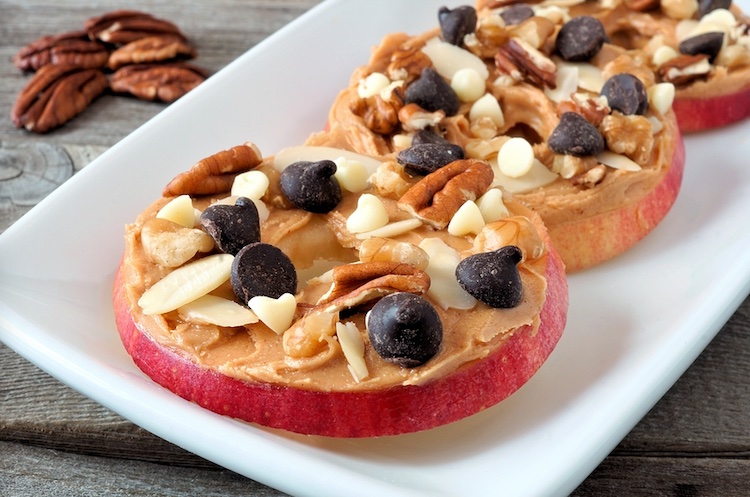
Apples with peanut butter (or almond/sunflower seed butter for allergies) is timeless, but the genius part is turning it into “apple cookies” or “pizza slices” with toppings. The natural sweetness of apples pairs perfectly with creamy nut butter, and the fiber slows sugar absorption so energy stays steady. Protein from the butter keeps tummies full for hours.
Slice apples crosswise into thin rounds (core them if you want perfect circles). Spread a layer of natural nut butter—no added sugar kinds. Then let kids decorate: raisins for eyes, banana slices for smiles, chia seeds for sprinkles, mini chocolate chips for “chocolate chip cookies,” or coconut flakes for snow. I cut some apples into wedges too for variety. Prep time is minimal; I slice a few apples and put toppings in small bowls for self-assembly. One medium apple with two tablespoons butter is about 220 calories, loaded with potassium, healthy fats, and fiber. To prevent browning, dip slices in diluted lemon juice. My boys fight over who gets the “smiley face” ones, and it’s become their go-to after soccer practice. If nuts are out, try tahini or yogurt spread. Variations include cinnamon dusting or a honey drizzle for extra appeal.
Rainbow Fruit Skewers
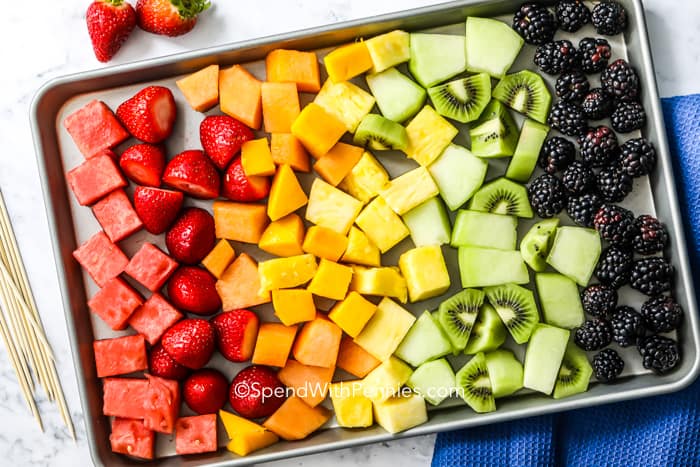
These are pure joy on a stick. Kids love anything on skewers—it’s like edible toys. Fruits provide antioxidants, vitamins C and A, and natural hydration, while the colorful presentation makes them irresistible.
Use wooden skewers or toothpicks for smaller versions. Thread on strawberries, pineapple chunks, kiwi slices, grapes, melon balls, blueberries—whatever’s seasonal and bright. Aim for a rainbow order: red strawberries, orange cantaloupe or mango, yellow pineapple, green kiwi or grapes, blue blueberries, purple grapes or blackberries. No cooking needed; just wash, cut, and skewer. I make a platter for playdates, and they disappear fast. One or two skewers are low-calorie but filling due to water and fiber content. Add a yogurt dip on the side for protein. My kids call them “magic swords” and eat way more fruit than they would plain. For variety, include mandarin orange segments or raspberries. It’s also great for teaching colors and patterns.
Veggie Sticks with Colorful Dips
Getting veggies in is tough, but colorful dips change everything. Carrot sticks, cucumber rounds, bell pepper strips, cherry tomatoes—paired with hummus, yogurt ranch, or beet hummus for pink fun. Veggies offer fiber and crunch, dips add protein and flavor.
Cut veggies into fun shapes—stars with cookie cutters if you’re feeling fancy. For dip, blend chickpeas for hummus with lemon, garlic, tahini; add roasted beets for pink color kids adore. Or mix yogurt with herbs and a bit of ranch seasoning. Portion into small cups for dipping. The volume from veggies plus protein from dip keeps them satisfied without heaviness. My boys dip everything, even if they claim they hate carrots—they love the “magic pink sauce.” Prep ahead in fridge containers. Low calories, high nutrients. Variations: guacamole for green dip or cheese-based for creaminess.

Mini Banana Oat Muffins
These bake up soft, naturally sweet from bananas, and feel like treats. Oats provide sustained energy, bananas potassium and sweetness—no added sugar needed.
Mash 2-3 ripe bananas, mix with 2 cups oats, 2 eggs, a splash of milk, baking powder, cinnamon. Add chocolate chips or nuts if desired. Spoon into mini muffin tins, bake at 350°F for 12-15 minutes. They freeze well for quick grabs. High fiber, protein from eggs/oats. My kids eat them warm or cold, calling them “baby cakes.” Variations: add peanut butter or blueberries.
Creative Cheese and Fruit Plates
Like a mini charcuterie but kid-sized. Cheese cubes for protein and calcium, whole-grain crackers for carbs, fruits for sweetness.
Arrange cheddar or mozzarella cubes, apple slices, grapes, crackers in patterns or faces. Add hummus or nut butter dips. Balanced macros keep energy up. My boys build their own “castles” with the pieces.
Homemade Trail Mix
Custom mix beats store-bought—no excess sugar. Nuts/seeds for healthy fats and protein, dried fruit for sweetness, dark chocolate bits for fun.
Combine almonds, raisins, pumpkin seeds, banana chips, mini dark chocolate. Portion small bags. Sustained energy, customizable. Kids pick favorites to mix.
Frozen Yogurt-Covered Berries
Like candy but healthy. Berries for antioxidants, yogurt for protein.
Dip washed berries in Greek yogurt, freeze on tray, store in bags. Crunchy outside, juicy inside. Kids pop them like sweets.
Avocado Toast with Fun Faces
Avocado for healthy fats, whole-grain toast for fiber. Mash avocado, spread on toast, make faces with seeds, tomatoes, cheese.
Kids love creating silly expressions. Nutrient-dense, filling.

Foodieaholic | Spooky Avocado Breakfast Toast Faces: A Halloween Delight
No-Bake Oat Energy Balls
Quick, no oven. Oats, nut butter, honey, chocolate chips—roll into balls.
Protein, fiber, natural sweetness. Kids help roll them. Portable, satisfying.
These 10 have made healthy snacking a daily highlight rather than a chore. Start with one or two favorites, involve the kids in prep, and watch attitudes shift. Small wins build big habits—one colorful plate, one fun skewer at a time. Your kitchen will thank you, and so will their growing bodies.