You are half a day in. Your energy has crashed. You’re going to reach for chips or candy — but on some level, you know there’s a better choice.
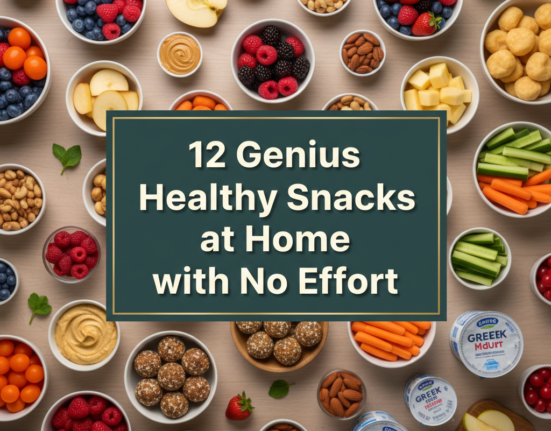
The good news: Your kitchen likely contains everything you need for good, healthy snacks at home that actually do the trick. No fancy ingredients. No complicated recipes. Just plain real food that fuels your body for real.
In this article, we’ll divide 11 simple and delicious snacks into categories based on nutritional science. Whether you’re a student, worker, or tapping out at 3 PM — these will get your energy right back quick.
Let’s get into it.
Why That Snack Choice Really Does Make a Difference
When they’re hungry, most people simply grab whatever is closest. That’s typically something processed, sweet, or salty that offers zero nutritional value.
The problem? Those snacks send your blood sugar soaring — and then it drops like a rock. That’s what leads to afternoon energy crashes, brain fog, and relentless cravings.
The right snack has the opposite effect. It gives you:
- Steady energy that lasts
- Better focus and mood
- Fewer cravings throughout the day
- Support for your metabolism
The trick is having the right macronutrients — primarily protein, healthy fat, and complex carbohydrates. This mix of nutrients slows digestion and stabilizes your blood sugar.
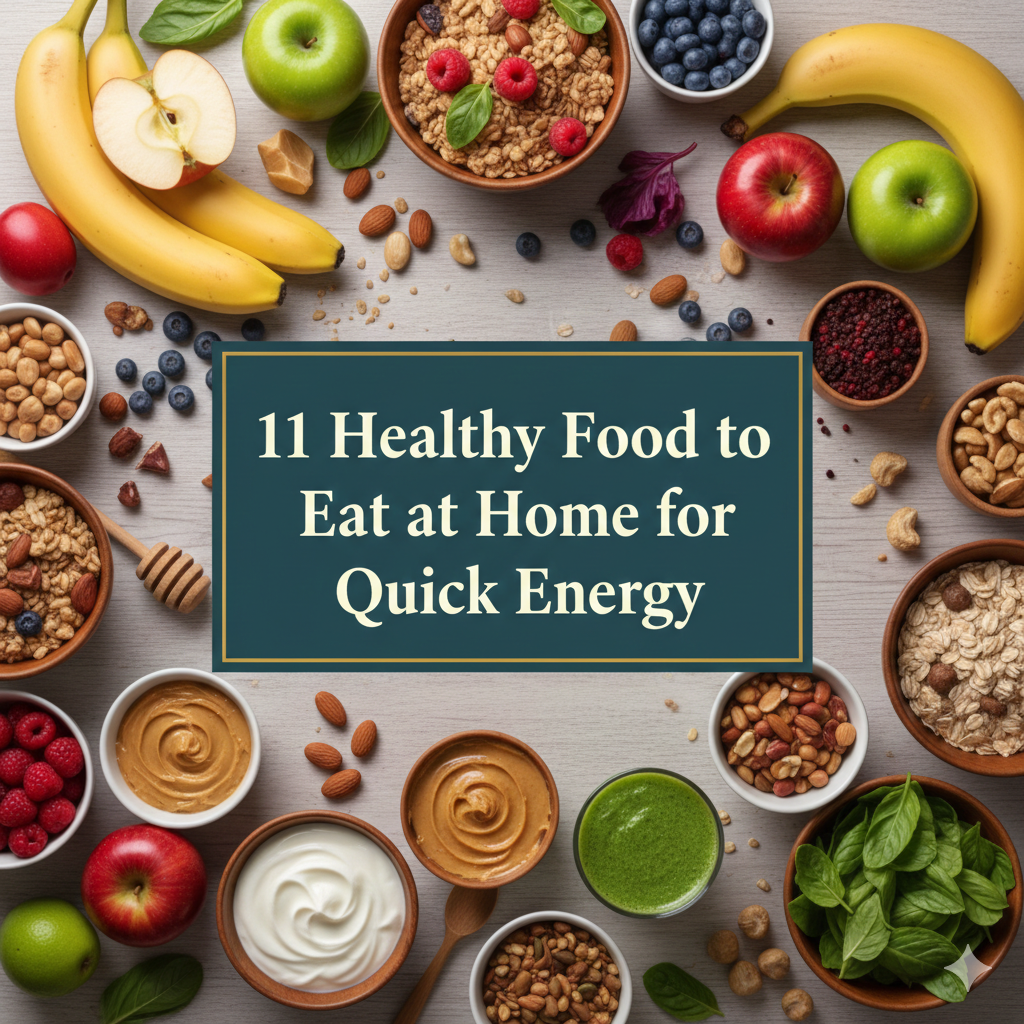
And now here are the 11 best healthy snacks at home that get the job done.
1. Whole Grain Toast with Peanut Butter
This one sounds simple. That is, in fact — and it works brilliantly.
Whole grain toast provides you complex carbs. Nut butter provides protein and healthy fat. They are the perfect combo, giving you a complete snack that powers your body for hours.
Why It Works
Peanut butter is also a good source of niacin, magnesium, and Vitamin E — nutrients that aid your cells’ ability to produce energy. The fiber in whole grain bread slows down the release of glucose into your blood.
Tip: Place banana slices on top for potassium, which helps your muscles work at their best.
Prep time: 2 minutes | Best time to eat: Mid-morning or post-workout
2. Honey and Berry Greek Yogurt
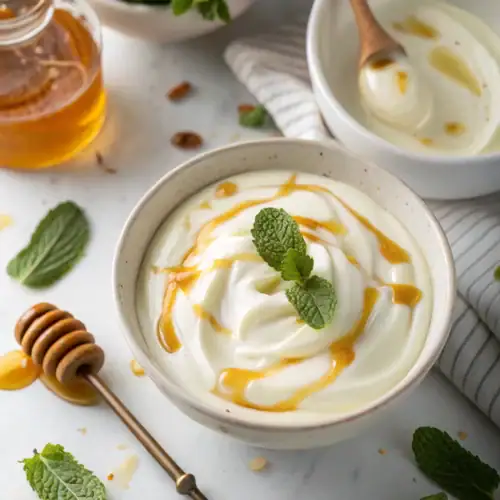
Greek yogurt is one of the most nutrient-dense foods you can stock in your fridge. It’s full of protein, probiotics, calcium, and B vitamins.
Add a drizzle of raw honey and a small handful of fresh or frozen berries, and you have a snack that tastes like dessert but works like fuel.
What Makes This Combo Special
Berries contain antioxidants and natural sugars to give you an immediate energy burst. The protein in Greek yogurt keeps that sugar in check so you don’t crash. Raw honey is sweet and offers trace enzymes, minerals, vitamins, and amino acids that are genuinely beneficial.
| Ingredient | Key Nutrient | How It Fuels You |
|---|---|---|
| Greek Yogurt | Protein, B12 | Helps with cell energy production |
| Berries | Antioxidants, Vitamin C | Prevents fatigue, fuels the immune system |
| Raw Honey | Natural sugars, enzymes | Fast energy boost |
Prep time: 3 minutes | Best time to eat: Morning or pre-workout
3. Hard-Boiled Eggs with a Pinch of Salt
Eggs are among the most nourishing foods on earth. They include all nine essential amino acids, along with choline for brain function and focus.
Hard-boiled eggs are easy to prepare in bulk. Whip up half a dozen at the beginning of the week and keep them in your fridge. Reach for one when your energy sags.
The Choline Connection
Choline is a nutrient most people don’t get enough of. It aids your brain in making acetylcholine — a substance that influences memory, mood, and mental energy. A single egg will provide you with roughly 25 percent of what you need in a day.
Prep time: 10 minutes (may be prepared in advance) | Best time to eat: Any time of the day
4. Apple Slices with Almond Butter
Apples provide natural sugar, fiber, and vitamin C. Almond butter contributes protein, healthy monounsaturated fats, and magnesium.
When it comes to energy, magnesium is a big deal. It is involved in more than 300 enzymatic reactions in your body — including those that turn food into energy.
How to Make It Even Better
Adorn with a sprinkle of cinnamon. Cinnamon is also beneficial for controlling blood sugar levels, so you can maintain a steady flow of energy instead of crashes.
One of those healthy snacks at home that feels indulgent, but is really good for you.
Prep time: 3 minutes | Best time to eat: Mid-afternoon or between meals
5. Trail Mix Made at Home
Trail mix from the store is usually full of added sugars and artificial flavors. You can make your own at home in five minutes and have complete control over what goes inside.
The Best Trail Mix Formula
Mix together:
- A small handful of almonds or cashews (protein + healthy fat)
- A handful of pumpkin seeds (magnesium + zinc)
- A couple of dark chocolate chips (antioxidants + caffeine boost)
- A handful of dried cranberries or raisins (quick burst of energy from natural sugars)
- Optional: coconut flakes for more healthy fat
This blend hits every energy-boosting nutrient in one compact serving.
Prep time: 5 minutes | Best time to eat: On the go, between meals, or as a study snack
6. Hummus with Veggie Sticks
Hummus contains chickpeas, which are rich in iron, protein, and folate. Iron deficiency is one of the leading causes of fatigue — particularly in women and teens.
Raw veggies — such as carrots, celery, and bell peppers — accompanied by hummus can deliver fiber, water content, and vitamins that keep your energy and hydration levels up. For more snack ideas like this, check out Healthy Snacks at Home — a great resource for simple, nutritious snack inspiration.
Why This Snack Fights Fatigue
Iron from chickpeas helps your red blood cells transport oxygen throughout your body. More oxygen = more cellular energy. Add to that the slow-digesting carbs in chickpeas, and you’ve got a snack that truly battles fatigue.
Nutritional Snapshot (per 4 tbsp hummus + veggie sticks):
| Nutrient | Amount | Daily Value |
|---|---|---|
| Protein | 5g | 10% |
| Iron | 2mg | 11% |
| Fiber | 4g | 14% |
| Vitamin C | 40mg | 44% |
Prep time: 5 minutes (or less if using store-bought hummus) | Best time to eat: Afternoon, pre-dinner, or work breaks
7. Banana with Walnuts
Bananas are nature’s energy bar. They are high in natural sugars, potassium, and vitamin B6 — all of which directly help produce energy.
Add a banana and a small handful of walnuts, and you’ve thrown omega-3 fatty acids and protein into the mix. According to Healthline, omega-3s support brain health and can help reduce inflammation, which is a common contributor to fatigue.
The Athlete’s Secret Snack
Runners and cyclists in particular are known to consume bananas before or during a workout as they keep you fueled without weighing you down. Walnuts make this duo work for your brain as well — not only your body.
Prep time: 0 minutes | Best time to eat: Before a workout, morning rush, or late-night study sessions
8. Cottage Cheese with Pineapple
This combo sounds unusual. But in fitness and nutrition communities, it has been popular for decades — with good reason.
Cottage cheese is very rich in casein protein, which takes a long time to digest and keeps you feeling full for hours. Adding pineapple provides natural sugars for a fast energy lift, and bromelain — an enzyme that aids digestion and has anti-inflammatory benefits.
Making It Taste Great
For an even lighter option, use low-fat cottage cheese. Fresh pineapple is better, but canned in its own juice works well too. Throw in a few mint leaves for a refreshing twist.
It’s one of those healthy snacks at home that surprises people — it tastes quite good, much better than it sounds.
Prep time: 2 minutes | Best time to eat: After a workout or as an afternoon snack
9. Oats with Nut Butter and Seeds
It’s not like you need to prepare a complete bowl of oatmeal. A portion of rolled oats — even cold overnight oats — with a spoonful of nut butter and a scattering of seeds is a seriously energy-packed snack.
Oatmeal is one of the best sources of complex carbs around. They provide a steady and gradual release of energy — no spike, no crash.
Overnight Oats: The Prep-Ahead Energy Snack
Mix together the night before in a jar:
- ½ cup rolled oats
- ½ cup dairy or non-dairy milk
- 1 tablespoon almond or peanut butter
- 1 tsp chia seeds
- A drizzle of maple syrup or honey
In the morning you’ll have a ready-to-eat snack with 12–15g of protein, loads of fiber, and slow-burning carbs.
Prep time: 5 minutes (night before) | Best time to eat: Morning, before studying, or late afternoon
10. Avocado on Rice Cakes
Avocado on toast is everywhere — but rice cakes are a lighter, gluten-free base that’s just as worthy. This snack packs monounsaturated fats, along with fiber, potassium, and folate, in one easy combo.
Good dietary fats from avocado are essential for brain function. Your brain is roughly 60 percent fat — and it literally runs on fatty acids. Fill it with good fats and you’ll be more focused, think faster, and have sustained mental energy.
How to Dress It Up
Some topping ideas for your avocado rice cakes:
- A pinch of sea salt and red pepper flakes
- A squeeze of lemon juice
- Sliced tomatoes
- A sprinkle of hemp seeds for additional protein
Prep time: 3 minutes | Best time to eat: Morning or afternoon
11. Dark Chocolate and Almonds
That’s right — chocolate can be a healthy snack when it’s the right type. Dark chocolate (at least 70% cacao) has caffeine, theobromine, and antioxidants that boost blood flow to the brain.
Pair that with almonds and you get added protein, healthy fat, and vitamin E. Together it’s a combination that gives your brain a lasting lift.
How Much Is Too Much?
Keep it to one or two small squares of dark chocolate. The aim is an antioxidant and caffeine pick-me-up — not a full sugar high. Almonds help neutralize this by slowing the digestion process and preventing a quick spike in blood sugar levels.
You probably won’t find a tastier snack on this list — nor one that’s better for mental energy in particular.
Prep time: 0 minutes | Best time to eat: Midday or mid-afternoon (not too late — caffeine is a sleep disrupter)
Quick Glance: All 11 Snacks Side-by-Side
| Snack | Energy Type | Prep Time | Best For |
|---|---|---|---|
| Peanut Butter Toast | Sustained | 2 min | Morning, post-workout |
| Greek Yogurt + Berries | Balanced | 3 min | Morning, pre-workout |
| Hard-Boiled Eggs | Sustained | 10 min | Anytime |
| Apple + Almond Butter | Balanced | 3 min | Afternoon |
| Homemade Trail Mix | Sustained | 5 min | On the go |
| Hummus + Veggies | Sustained | 5 min | Afternoon |
| Banana + Walnuts | Quick + Sustained | 0 min | Pre-workout |
| Cottage Cheese + Pineapple | Balanced | 2 min | Post-workout |
| Overnight Oats | Sustained | 5 min | Morning |
| Avocado Rice Cakes | Sustained | 3 min | Morning, afternoon |
| Dark Chocolate + Almonds | Quick + Mental | 0 min | Midday |
How to Create a Healthy Snack Routine
Half the battle is knowing what to eat. And knowing when and how matters just as much.
Eat every 3–4 hours. This keeps blood sugar consistent and helps prevent the crashes that send you looking for junk food.
Plan ahead. Keep prepped snacks in the fridge. Hard-boiled eggs, overnight oats, and trail mix are great make-ahead choices.
Watch portion sizes. Even healthy snacks add up. A snack should be about 150–250 calories — it’s not a meal, just something to tide you over.
Drink water. Lack of hydration is one of the top reasons for low energy. Pair each snack with a glass of water.
Avoid ultra-processed foods. The more ingredients on the label — particularly ones you can’t pronounce — the more likely it is to sap your energy rather than boost it.
Signs Your Body Needs a Better Snack Plan
If you suffer from any of these regularly, chances are the way you snack is to blame:
- Constant afternoon energy crashes
- Brain fog after eating
- All-day sugar or caffeine cravings
- Being hungry again 30 minutes after eating
- Mood swings between meals
- Trouble concentrating in the afternoon
Making a switch to the healthy snacks at home listed here can have you starting to reverse these symptoms within a few days.
FAQs: How to Snack Wisely at Home
Q: How many snacks should I consume in a day? Most people should snack 1–2 times per day between main meals. This helps stay charged without overeating.
Q: Are these snacks helpful for weight loss? Yes. The majority are high in both protein and fiber, which helps keep you full for longer and means you’re more likely to consume fewer calories throughout the rest of the day.
Q: Can children have these snacks too? Absolutely. All 11 are safe and nutritious for young children. Just be mindful of nut allergies and portion sizes.
Q: What is the best snack for studying? Dark chocolate with almonds, banana with walnuts, or Greek yogurt with berries are all great for focus and brain energy.
Q: What if I don’t have a lot of time to prepare? No prep is needed for banana with walnuts or dark chocolate with almonds. Save these for when you need a zero-effort energy boost.
Q: Can I eat these snacks before bed? Cottage cheese with fruit and a small amount of Greek yogurt make for a healthy evening snack. Stay away from dark chocolate too late in the day due to caffeine.
Q: Are store-bought versions okay? They can be, but homemade is almost always best. You’re in charge of the ingredients, sugar content, and portion size when you make things at home.
Wrapping It All Up
Energy is not limited to coffee, energy drinks, and candy bars. The best fuel is often right in your kitchen — you just need to learn how to assemble it.
These 11 healthy snacks at home show that eating well doesn’t have to be expensive, complicated, or time-consuming. Most require less than five minutes’ preparation. They all provide your body with something truly useful.
Begin with two or three from this list. See how you feel. Notice the fluctuations in your energy, focus, and cravings over the course of each day.
Once you know the difference, going back to junk food is a lot harder to justify.
Your body works off what you put in it. Feed it well.