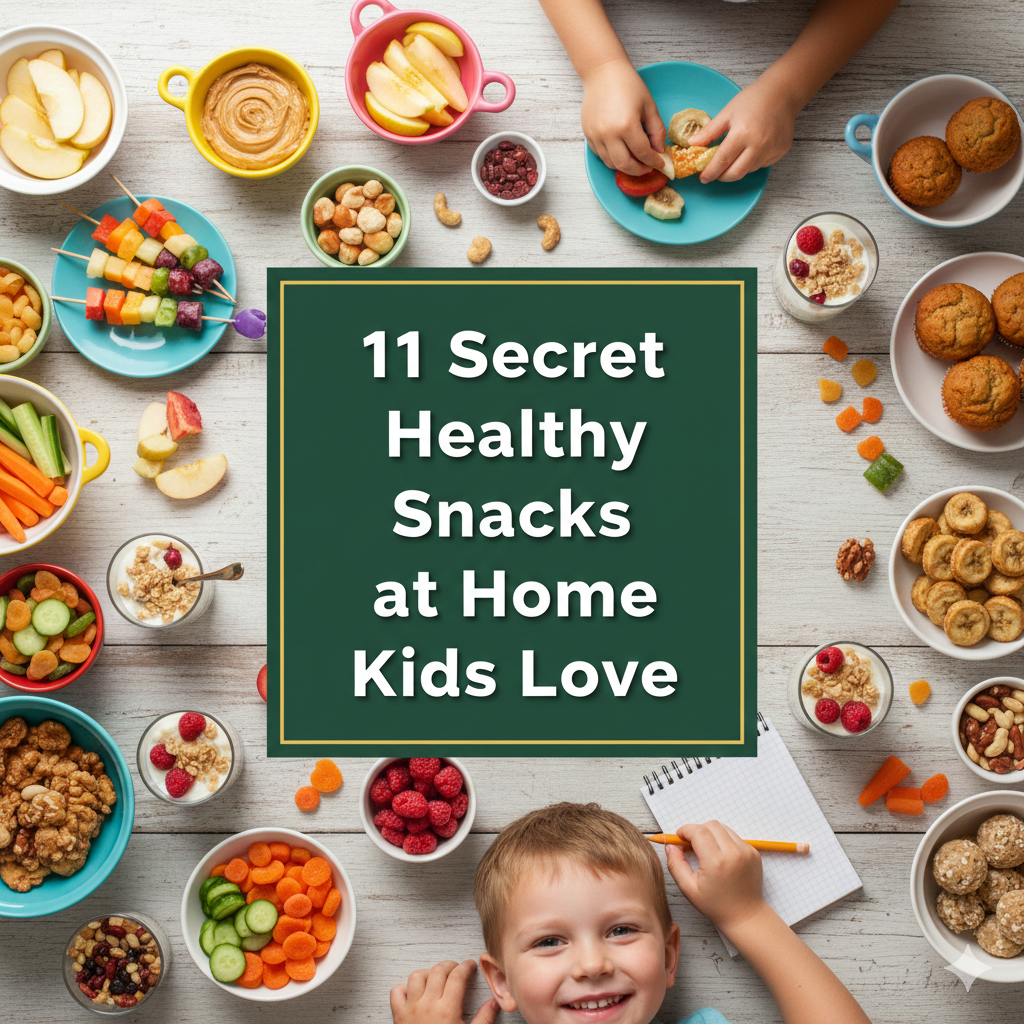
Why Trying to Get Your Kid to Eat Healthy Feels Like Mission Impossible
Every parent knows the struggle. You place a plate of carrot sticks in the middle of the table. Your kid looks at it as if you’ve handed them a mud pie. Then they ask for chips. Again.
Here’s the reality: Kids don’t hate healthy food. They hate boring healthy food.
The point is not to force vegetables down their throats. The idea is to make a healthy snack look, taste and feel indulgent. When the healthful snacks waiting at home are playful, colorful and appealingly satisfying, it’s not just that children eat them — they ask for more.
This post offers tested, valuable healthy snacks for kids at home that they truly enjoy. All are super simple to make, budget friendly and full of nutrients that your little one needs to grow. And you’ll get some tips for ways to serve them so that kids will be interested.
Let’s get into it.
What Does a Snack Have to Do to Deserve Its “Secretly Healthy” Label?
(They’re also a lot easier than you think.) A stealthily healthy snack is one that seems like a treat and operates like fuel.
It’s not made from a long list of artificial ingredients. It doesn’t contain excessive sugar or any artificial dyes. And best of all — it doesn’t feel like a punishment.
The ideal healthy kids’ snacks tick three boxes:
| Quality | Why It Matters |
|---|---|
| Looks good | Kids taste with their eyes first |
| Tastes good | Tasty trumps nutrition facts every time |
| Easy to grab | If it’s within reach, kids will reach for it |
And when you get nutrition coupled with fun presentation and great taste, it’s a win for the whole family. Every snack in here does just that.
Snack #1 — Frozen Yogurt Bark and Berries
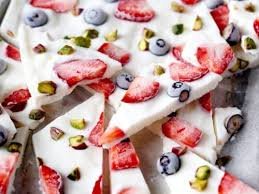
The Snack That Looks Like Dessert (But Isn’t)
These test well with the kids every time.
Spread plain Greek yogurt on a baking sheet. Top with blueberries, strawberry slices and a drizzle of honey. Freeze it for two hours. Break it into pieces.
The result? A fun, crunchy snack that resembles candy bark and is loaded with protein, calcium, and antioxidants.
Why kids like it: It’s cold, sweet and fun to crack.
Why parents love it: Greek yogurt contains twice as much protein as regular yogurt. Berries are packed with vitamin C and fiber. There’s no junk added.
Tip: Use a silicone mat and it won’t stick. Let children put their own toppings on — they’re more likely to eat what they make.
Snack #2 — “Apple Donuts” with Nut Butter
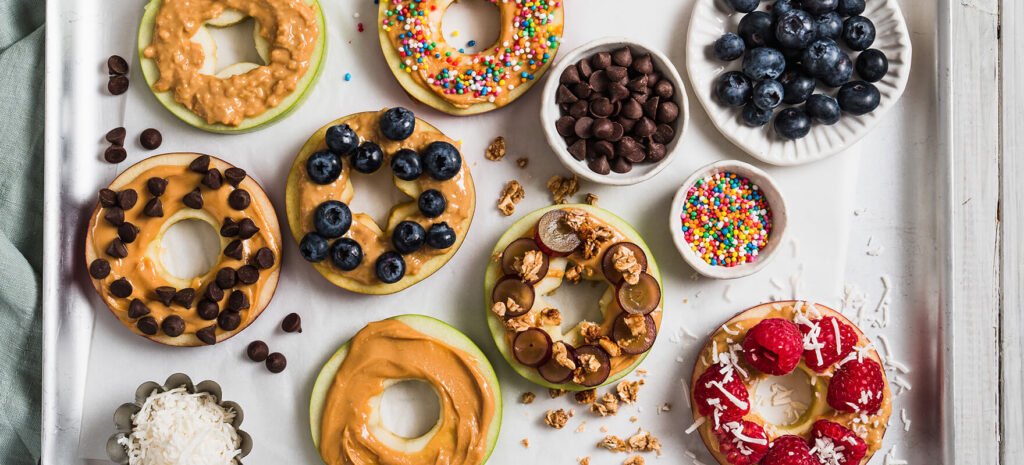
Magical Things Happen When You Slice an Apple Sideways
Slice an apple horizontally into round pieces. Punch out the core with a small cookie cutter or bottle cap. Now you have apple rings.
Smear peanut butter or almond butter on the rings. Toss mini chocolate chips, granola or raisins over top.
They look like mini donuts. Kids go wild for them.
Nutrition breakdown:
| Ingredient | Key Nutrients |
|---|---|
| Apple rings | Fiber, vitamin C, natural sugars |
| Peanut butter | Protein, healthy fat, magnesium |
| Granola topping | Complex carbs, iron |
| Mini chocolate chips | A little treat that brings it all together |
Why it works: It seems luxurious. It isn’t. A single serving provides children lasting energy with no sugar crash.
Snack #3 — Hidden Veggie Mini Muffins
Vegetables Hiding in Plain Sight
Mini muffins are one of the most powerful weapons in a parent’s snack arsenal.
Shredded zucchini, mashed banana, grated carrots — these melt into muffin batter. Once those little pots are in the oven, kids can’t taste the vegetables. But with every bite, they’re getting fiber, vitamin A and potassium.
Basic hidden veggie muffin recipe:
1 cup whole wheat flour
1 ripe banana (mashed)
1/2 cup grated zucchini
1 egg
2 tbsp honey
1/2 tsp cinnamon
1/2 tsp baking powder
Mix, add to mini muffin tins and bake at 350°F for 15 minutes.
Pro tip: Make a batch on Sunday. Keep them in the refrigerator all week. They freeze beautifully too.
These healthy snacks at home also make great lunchbox fillers.
Snack #4 — Ants on a Log (The One That’ll Never Age)
Three Ingredients. Zero Drama.
You probably know this one. But it’s on this list because it actually works.
Take a celery stalk. Scoop peanut butter to fill in the indent. Line raisins along the top.
That’s it. Ants on a log.
Kids love the name. They love building it. And guess what — they eat it: celery and nut butter and dried fruit all in one bite.
Modern updates to keep it fresh:
- Trade out raisins for dried cranberries or mini M&Ms
- Use sunflower seed butter if you’re a nut-free household
- Swap peanut butter for cream cheese for a different flavour
- Fold in banana slices instead of raisins
Its core formula remains intact, whatever flavor you choose. This is one of those healthy snacks at home that have stood the test of time for a good reason.
Snack #5 — Cheese Quesadilla Triangles
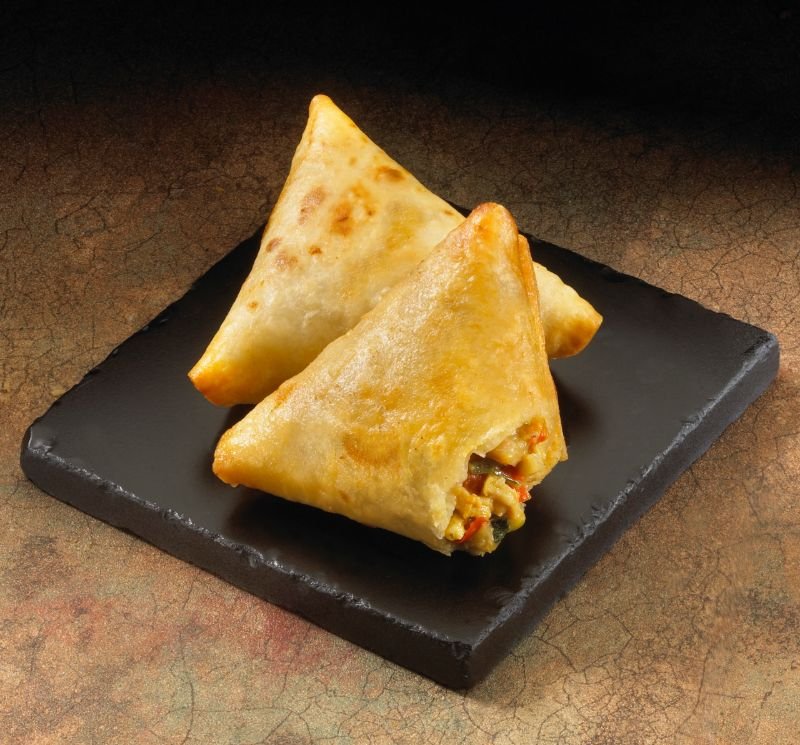
Hot, Crisp and Gone in 60 Seconds
The plain cheese quesadilla might not seem fancy. But cut it into little triangles, dish up a tiny bit of dip beside it, and presto: it’s exciting.
Instead of regular tortillas, use whole wheat ones which contain more fiber. Add shredded cheddar or mozzarella. If your child is a bit bolder, scatter some finely diced bell pepper or spinach into the cheese layer — they’ll melt right in.
Grill on a hot pan, 2 minutes per side. Slice into triangles. Serve with salsa, guacamole or plain yogurt as a dip.
Nutrition highlights:
| Ingredient | Benefits |
|---|---|
| Whole wheat tortilla | Fiber, complex carbohydrates |
| Cheese | Calcium, protein, vitamin B12 |
| Bell peppers | Vitamin C, antioxidants |
| Avocado dip | Healthy fat, potassium |
Why kids like it: It’s warm, cheesy and a satisfying crunch. It’s a restaurant snack from the comfort of your home, in less than 10 minutes.
Snack #6 — Rainbow Veggie Skewers with Hummus
Make It Fun, Make It Colorful
Kids are drawn to color. Use that to your advantage.
Pierce cherry tomatoes, chunks of cucumber, squares of yellow bell pepper, pieces of purple cabbage and snap peas onto small wooden skewers or toothpicks. Lay them out in the order of a rainbow.
Serve with store-bought or homemade hummus.
Why this works so well:
- The skewer format turns vegetables into finger food
- The rainbow arrangement makes it visually interesting
- Hummus is protein-packed so it really fills you up
- Children can build their own skewer — it gives them a sense of ownership
This is one of the quickest healthy snacks to make at home — ready in under 5 minutes. It’s also a great move for birthdays or playdates because it looks fancy!
Hummus dip options:
- Classic chickpea hummus
- Roasted red pepper hummus
- White bean hummus (milder flavor, great for picky eaters)
According to the American Academy of Pediatrics, offering a variety of colorful vegetables early and often is one of the best ways to build lifelong healthy eating habits in children.
Snack #7 — “Nice Cream,” Banana-Style
One Ingredient. Tastes Like Ice Cream. Is Not Ice Cream.
Peel ripe bananas. Freeze them overnight. Pulse the frozen bananas in a food processor for 2–3 minutes.
What you end up with is creamy, smooth and really tastes like soft-serve ice cream. Kids are stunned when they learn it’s simply bananas.
Flavor upgrades:
- Add 1 tablespoon of peanut butter for PB banana nice cream
- Add 1 tbsp cocoa powder for chocolate nice cream
- Throw in a couple of handfuls of frozen mango for tropical nice cream
- Blend in fresh strawberries for a fruity pink version
Why it’s healthier than regular ice cream:
| Regular Ice Cream | Banana Nice Cream |
|---|---|
| High added sugar | No added sugar |
| Artificial flavors | 100% natural |
| High saturated fat | Low fat |
| Low fiber | High in fiber and potassium |
Scoop into a cone or bowl with your choice of toppings. Kids really don’t think anything that tastes that good can be healthy.
Snack #8 — Egg Muffin Cups
A Cup of Breakfast Energy
These are game changers for busy families.
Whisk 6 eggs. Add diced vegetables — bell peppers, spinach, onions, cherry tomatoes all work well here. Season lightly. Grease a muffin tin and pour in the mixture. Sprinkle with a bit of shredded cheese.
Bake at 375°F for 18–20 minutes.
You get 12 high-protein mini egg muffins that keep for up to five days in the fridge.
Why they work as a snack: Children are drawn to food that’s bite-sized. One small hand holds an egg muffin cup. They’re not messy. They’re filling. And because it’s easy to customize the veggie mix, even picky eaters are likely to find a version they enjoy.
These healthy after-school snacks are great for home too, since protein keeps kids full longer than carb-heavy treats.
Snack #9 — Healthified Popcorn
America’s Favorite Snack Just Got Better
Plain air-popped popcorn is actually a whole grain. It has fiber. It’s low in calories. And kids already love it.
The issue is store-bought varieties packed with butter, salt and fake flavorings.
Make it at home instead. Pop plain kernels in a pot or air popper. Then add your own toppings.
Healthy popcorn seasoning ideas:
| Seasoning Mix | Ingredients |
|---|---|
| Cheesy popcorn | Nutritional yeast + salt |
| Cinnamon sugar | Cinnamon + coconut sugar |
| Taco spice | Cumin + chili powder + lime zest |
| Ranch flavor | Dried herbs + garlic powder |
Tip: Nutritional yeast has a cheesy taste and is packed with B vitamins. Most kids don’t know the difference — and they dig it.
Homemade popcorn is one of the least expensive and most delicious healthy snacks at home you can whip up.
Snack #10 — Whole Grain Pancake Bites
Sunday Pancakes Morph Into a Week of Snacks
On the weekend, make a batch of mini whole grain pancakes. They store well for a few days in the fridge, or in the freezer.
Pop one in the microwave for 30 seconds on a weekday. Kids get a warm, soft, delicious snack in less than 1 minute.
Make them healthier:
- Try oat flour or a combo of whole wheat and all-purpose flour
- Substitute mashed banana or unsweetened applesauce for sugar
- Stir in blueberries, dark chocolate chips or coconut shreds
They’re portable, kid-friendly and endlessly customizable.
How to serve: Serve 3–4 bites with a small side of Greek yogurt for dipping. Kids dip them like nuggets. It turns into a little activity.
Snack #11 — Frozen Fruit Popsicles
The Treat That’s Also a Snack
Fruit popsicles are the original healthy snack trick in the book. And it still works.
Use real fruit. Blend it. Pour it into popsicle molds. Freeze for 4 hours. Done.
Winning flavor combinations:
- Mango + coconut milk
- Strawberry + banana
- Watermelon + lime juice
- Blueberry + Greek yogurt
- Peach + honey
No added sugar needed. Fruit is sweet enough as it is, when ripe.
Nothing in the world is more satisfying to a kid on a hot day than an ice-cold popsicle. And when that popsicle is made with real fruit, you’ve found the sweet spot between healthy snacking at home and actual joy.
How to Establish a Healthy Snack Routine at Home
The snack ideas are key, of course. But establishing a regular pattern is what cements healthy eating.
Some small habits that can help:
Make healthy snacks visible and accessible. Slice fruit and keep it in clear containers at eye level in the fridge. When kids open the fridge, that’s what they should see. Aim for 2 healthy options for every not-so-healthy one.
Create a snack station. Designate a shelf or drawer as the “snack spot.” Stock it with approved options. Kids enjoy having their own space to choose from.
Involve kids in making snacks. Children are far more likely to eat what they help make. Let your 5-year-old go to town with the toppings — it makes the snack feel like “theirs.”
Keep a loose snack schedule. Offering a snack mid-morning and after school stops kids from overeating at mealtimes and random grazing throughout the day.
Don’t use healthy food as punishment or reward. Telling kids “if you eat your vegetables, you’ll get ice cream” teaches them that healthy food is something to endure. Instead, frame it as something that makes them stronger, faster and sharper.
Quick-Reference Snack Chart
| Snack | Prep Time | Key Nutrients | Fridge Life |
|---|---|---|---|
| Frozen yogurt bark | 5 min + freeze | Protein, calcium, antioxidants | 1 week (frozen) |
| Apple donuts | 3 min | Fiber, healthy fats | Same day |
| Hidden veggie muffins | 20 min | Fiber, vitamins A & C | 5 days |
| Ants on a log | 2 min | Fiber, protein, iron | Same day |
| Cheese quesadilla triangles | 8 min | Calcium, protein, fiber | Same day |
| Rainbow veggie skewers | 5 min | Vitamins, fiber, protein | 2 days |
| Banana nice cream | 5 min + freeze | Potassium, fiber | 2 weeks (frozen) |
| Egg muffin cups | 25 min | Protein, vitamins | 5 days |
| Healthy popcorn | 10 min | Fiber, B vitamins | 2 days |
| Pancake bites | 20 min | Complex carbohydrates | 1 week (frozen) |
| Frozen fruit popsicles | 10 min + freeze | Vitamins, antioxidants | 1 month (frozen) |
FAQs on Best Snacks for Kids at Home
How many snacks should kids eat in a day?
Two snacks a day work well for most children aged 2–12 — one in the morning and another after school. Teenagers may only need one. The trick is to provide snacks that fill the gap between meals without ruining appetite.
What are some healthy snacks for picky eaters?
Begin with foods, tastes and textures that you know they accept. Apple donuts, banana nice cream and popcorn are good starting points as they look similar to snacks kids already enjoy. Once trust is established, introduce new textures and ingredients slowly.
Do store-bought “healthy” snacks actually work for kids?
They are often not as healthy as they appear. Granola bars, fruit snacks and flavored yogurts can have as much added sugar as candy. Homemade versions give you total control over the ingredients. When purchasing packaged snacks, choose options with 5 ingredients or fewer and no added sugar.
Are these healthy home snacks nut-free for school?
Absolutely. Substitute sunflower seed butter or tahini (sesame paste) in place of peanut butter or almond butter. Both work in nearly all of the recipes above and are nut-safe in most environments.
All my children seem to want are chips and cookies. How can I stop this?
The goal isn’t to eliminate those foods entirely — that often backfires and makes kids want them even more. Rather, crowd out the less healthful options: make healthful snacks more available, more fun and more visible. After a while the default snack choice shifts, usually without a big battle.
What if my kid won’t touch a vegetable?
Consider hiding them (as with the mini muffins), pureeing them into a smoothie, or serving them alongside a dip they already love, such as hummus or ranch. The key is repeated exposure — research suggests it can take children 10–15 tries before they accept a new food. Don’t despair after the first rejection.
Tying It All Up — Snacks That Pack a Punch
Bottom line: wholesome snacks at home don’t have to be complicated, costly or time-consuming.
Prep for yogurt bark is 5 minutes. All you need for banana nice cream is one ingredient. Apple donuts take 3 minutes to put together.
The trick is not some fad diet or high-priced kitchen gadget. It’s about making good food easy, fun and delicious enough that children choose it naturally.
Begin with two or three snacks from this list. See which ones your kids enjoy. Build from there.
Small changes add up. A good snack this afternoon could be the start of a healthy habit that lasts a lifetime. And that’s more valuable than any bag of chips.