All parents want their kids to be healthy.
Strong bones. Strong muscles. An alert mind that can concentrate in school and a body that can keep pace on the playground.
But here’s the thing — strength is more than just what kids eat at meals. It’s what they eat between meals too.
Snacks are not just filler. They are real fuel. And having the right snacks can be a game changer when it comes to how a child feels, performs, and grows.
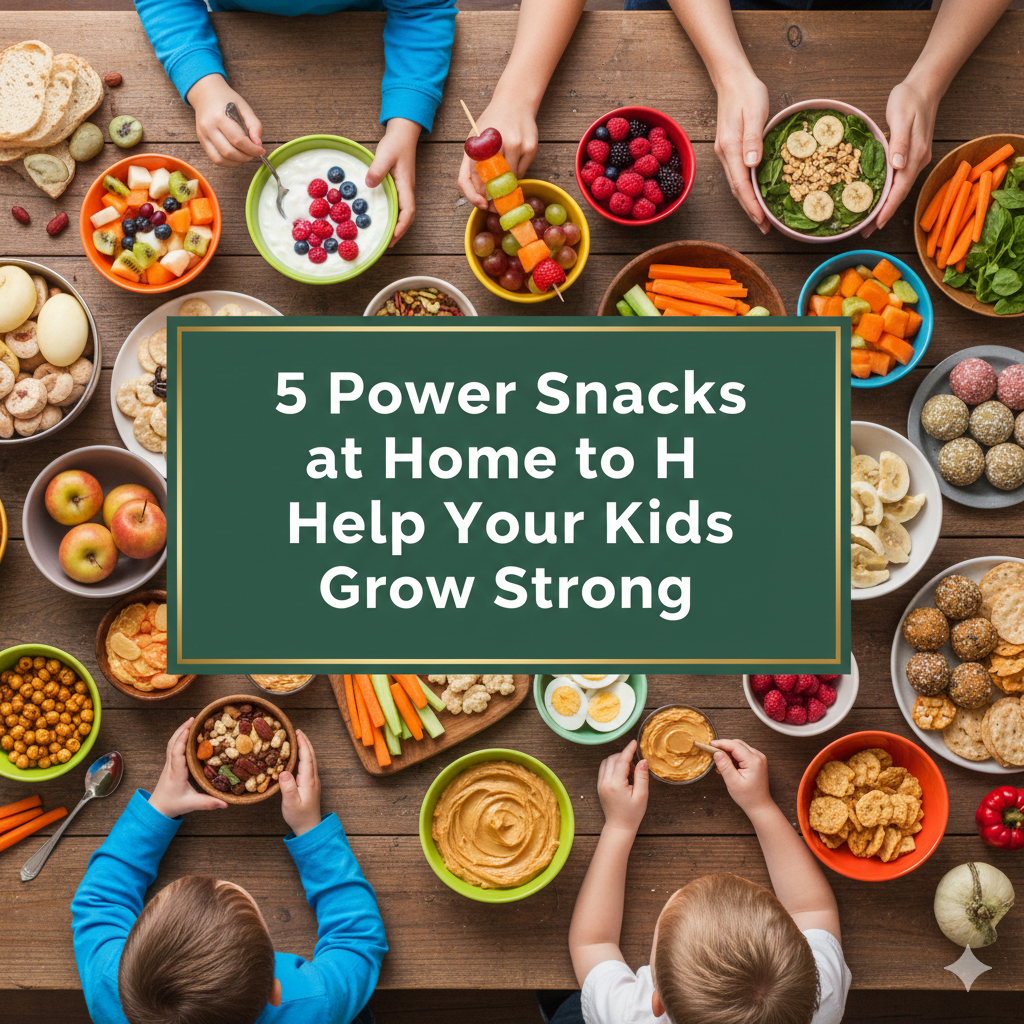
This post shares 5 powerful healthy snacks at home that are chosen for their strength-building nutrients. Each is simple to prepare and cost-effective — and, best of all, they are tasty enough for kids to actually want them.
No bland rice cakes. No forcing. Just real food that does real good.
Let’s get into it.
What “Strong” Even Means for a Growing Kid
Before you delve into the snacks, it’s good to know what nutrients really build strength in kids.
When it comes to strength, many people think of big muscles. But for children, strength is so much bigger than that.
| Type of Strength | What It Means | Key Nutrients Needed |
|---|---|---|
| Muscle strength | The ability to lift, run, jump, and play | Protein, iron, B vitamins |
| Bone strength | The density and durability of bones | Calcium, vitamin D, magnesium |
| Brain strength | Focus, memory, learning ability | Omega-3s, zinc, iron |
| Immune strength | Fighting off sickness | Vitamin C, vitamin A, probiotics |
| Energy strength | Stamina throughout the day | Complex carbs, healthy fats |
All five types matter. And the snacks on this list are selected for their ability to address more than one.
A child who is strong in all five areas is a child who sleeps well, learns better, plays harder, and has fewer sick days.
That’s the goal here.
Why Snacks Matter More Than We Think
Lunch is at noon. Dinner is at 6. That’s six hours apart.
Six hours is a long time for a child to go without nutrition. Their metabolism runs faster than adults. Their brains are developing at an incredible rate. Their muscles and bones are constantly building.
They need a bridge between meals. That bridge is snack time.
According to the Academy of Nutrition and Dietetics, children between the ages of 4 and 13 generally need anywhere from 1,200 to 2,200 calories per day depending on their size and activity level. Snacks typically account for about 25–30% of that daily intake.
That’s a significant chunk. And it matters what fills it.
A bag of chips and a sugary juice box fills that chunk with empty calories. A protein-rich, nutrient-dense snack fills it with building blocks for a stronger, healthier child.
The difference over weeks, months, and years is enormous.
How to Choose the Best Snack for Your Kid
Not every snack works for every child. Age, activity level, allergies, and taste preferences all play a role.
Here is a simple framework to follow when selecting or making a healthy snack at home:
The Power Snack Formula: ✅ One source of protein ✅ One source of fiber or complex carbs ✅ One source of healthy fat (optional but ideal) ✅ As little added sugar as possible
This combination keeps kids full, fuels their muscles and brain, and avoids the crash that comes from sugary snacks.
Every snack on this list follows that formula. Some hit all four. All of them hit at least two.
Snack #1 — Greek Yogurt Power Bowls
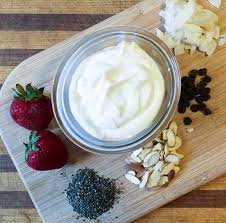
Greek yogurt is one of the most underrated strength-building foods for kids.
It packs more protein per serving than regular yogurt. It contains calcium for bones. It is loaded with probiotics that keep the gut — and the immune system — healthy.
But plain Greek yogurt can be a tough sell for kids. That’s where the “power bowl” idea comes in.
Building the Perfect Power Bowl
Think of it like a build-your-own experience. Set out the yogurt and let kids add their own toppings.
The Base:
- 1 cup plain or vanilla Greek yogurt (full-fat for younger kids, low-fat for older)
Protein and Crunch Toppings:
- Granola (low sugar)
- Chopped almonds or walnuts
- Sunflower seeds or pumpkin seeds
Natural Sweetness Toppings:
- Fresh or frozen berries
- Sliced banana
- A drizzle of honey or a sprinkle of cinnamon
How to Serve It:
Layer yogurt in a bowl. Add toppings in sections so each one is visible. Let the child mix it themselves — kids always enjoy food more when they’ve had a hand in making it.
Why This Snack Builds Strength
| Ingredient | Key Nutrients | Strength Benefits |
|---|---|---|
| Greek yogurt | Protein, calcium | Muscle repair, bone density |
| Berries | Vitamin C, antioxidants | Immune strength, cell repair |
| Granola | Complex carbs, fiber | Sustained energy, digestion |
| Seeds/nuts | Healthy fats, zinc | Brain development, hormone support |
This is one of the most complete healthy snacks at home you can offer. It covers muscles, bones, brain, and immunity all in one bowl.
Quick Tip
Buy plain Greek yogurt in bulk and add your own toppings. Flavored yogurts often contain as much sugar as a candy bar. Plain yogurt with fruit is always the smarter choice.
Snack #2 — Peanut Butter Banana Roll-Ups
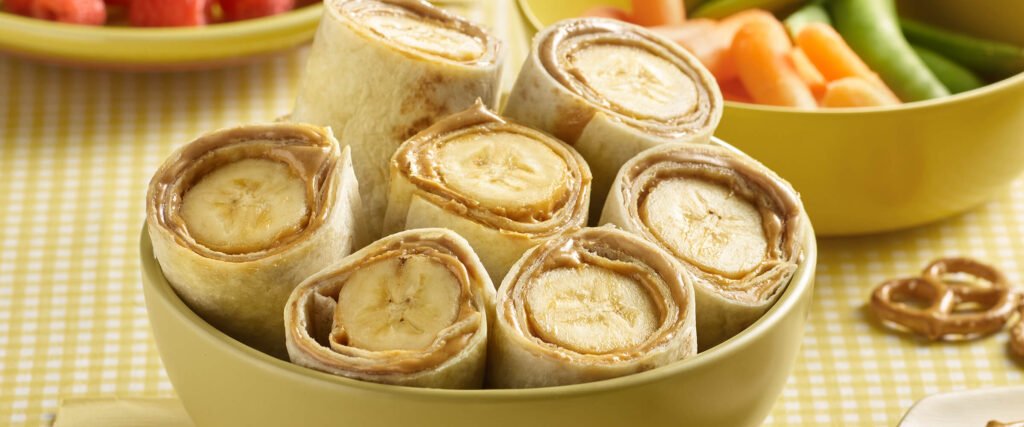
This one sounds simple. And it is. But don’t let that fool you — it is nutritionally serious.
Peanut butter is one of the best strength foods available in any home kitchen. It is packed with protein and healthy monounsaturated fats. Bananas bring natural energy, potassium, and vitamin B6, which directly supports muscle function.
Put them together in a wrap and you have a snack that fuels athletic performance, supports growing muscles, and keeps kids energized for hours.
What You Need
- Whole wheat tortilla (8-inch)
- 2 tablespoons peanut butter or almond butter
- 1 medium banana
- Optional: a sprinkle of chia seeds, a drizzle of honey, or a few dark chocolate chips
How to Make It
Spread peanut butter evenly across the whole tortilla. Place the banana at one edge. Roll the tortilla tightly around the banana. Slice into rounds — about 1 inch thick — so they look like little pinwheels.
Kids absolutely love the pinwheel shape. It makes a basic snack feel like something special.
The Strength Science Behind This Snack
Potassium, found abundantly in bananas, plays a critical role in muscle contraction and preventing cramps. This is exactly why athletes eat bananas before and after workouts.
Peanut butter provides protein to repair muscle fibers and healthy fats to support brain function. Whole wheat adds fiber and complex carbs for long-lasting energy.
This snack is especially good after school when kids have been sitting and focusing all day and need both a mental and physical reset before homework or sports practice.
Allergy Swap
Nut allergy? Use sunflower seed butter. It has a similar nutritional profile and most kids enjoy the taste just as much.
Snack #3 — Hard-Boiled Eggs With Avocado Slices
This combination might not be the flashiest on the list. But when it comes to raw, genuine strength-building power, nothing on this list beats it.
Eggs are often called the gold standard of protein. They contain all nine essential amino acids — the building blocks your body cannot produce on its own. They also provide choline, a nutrient critical for brain development and memory.
Avocado brings healthy fats, potassium, fiber, and folate. Together, these two foods create a snack that fuels brain strength and physical strength simultaneously.
Making It Kid-Friendly
The challenge with this snack is presentation. Left on their own, a plain hard-boiled egg and avocado slices don’t look exciting.
Here’s how to make them more appealing:
Option 1 — Egg and Avocado Toast Bites Toast small rounds of whole grain bread. Mash avocado on top with a pinch of salt and lemon juice. Slice hard-boiled eggs and lay them on top. Add a tiny sprinkle of paprika or everything bagel seasoning.
Option 2 — Deviled Egg Style Cut hard-boiled eggs in half. Mix yolks with mashed avocado, a squeeze of lemon, and a pinch of salt. Spoon back into the white halves. These look impressive and kids love them.
Option 3 — Simple Snack Plate Slice the egg and fan it out on a plate. Slice avocado beside it. Add a few whole grain crackers and a sprinkle of sea salt. Simple, colorful, and very satisfying.
Nutritional Breakdown
| Food | Serving | Protein | Healthy Fat | Key Micronutrient |
|---|---|---|---|---|
| Hard-boiled egg | 1 large | 6g | 5g | Choline, B12, vitamin D |
| Avocado | ¼ medium | 1g | 7g | Potassium, folate, vitamin K |
Two eggs and a quarter avocado give a child around 13–14 grams of protein and a solid dose of brain-healthy fats. That’s a serious snack for a serious growing body.
Snack #4 — Homemade Energy Balls
These look like little chocolate truffles. Kids think they’re getting a treat. Parents know they’re getting a powerhouse of nutrients.
That is the beauty of homemade energy balls.
They require zero baking. They take about 15 minutes to make. And a big batch stored in the fridge lasts all week, making them one of the most practical healthy snacks at home for busy families.
Base Recipe (Makes About 20 Balls)
Ingredients:
- 1 cup rolled oats
- ½ cup peanut butter or almond butter
- ⅓ cup honey
- ½ cup dark chocolate chips or raisins
- 2 tablespoons chia seeds
- 1 teaspoon vanilla extract
- Optional: shredded coconut, ground flaxseed, dried cranberries
Steps:
- Mix all ingredients in a large bowl until fully combined.
- Refrigerate the mixture for 30 minutes — this makes it easier to roll.
- Roll into balls about the size of a large marble.
- Store in an airtight container in the fridge for up to one week.
Why Kids Love Them
They taste like a dessert. The chocolate chips hit that sweet spot. The texture is chewy and satisfying. And because they’re small, kids feel like they’re getting “extras” even though each one is clean and nutritious.
What’s Packed Inside
Rolled oats — complex carbs, fiber, and beta-glucan (shown to support heart health and immune function)
Nut butter — protein, healthy fats, and vitamin E
Chia seeds — omega-3 fatty acids, calcium, and fiber in a tiny package
Honey — natural sugar for quick energy with trace antioxidants
Dark chocolate chips — antioxidants and a small amount of iron
Power Snack Variations
| Version | Swap/Add | Extra Benefit |
|---|---|---|
| High-protein | Add 2 tbsp protein powder | Muscle repair support |
| Nut-free | Use sunflower seed butter | Safe for school lunchboxes |
| Extra iron | Add 2 tbsp ground flaxseed | Supports red blood cell production |
| Tropical | Add dried mango + coconut | Vitamin C and immune boost |
Make a different version every week so kids never get bored. These are genuinely some of the best strength-building and most convenient healthy snacks at home you can keep on hand.
Snack #5 — Cheese Quesadilla Triangles With Salsa and Veggies
This snack hits different. It’s warm. It’s melty. It’s savory. And it satisfies in a way that cold snacks sometimes can’t.
Kids who are tired, hungry, and grumpy after school often need something warm and comforting. This delivers that feeling while still being genuinely nutritious.
What You Need
- 1 whole wheat tortilla (8–10 inch)
- ½ cup shredded cheese (cheddar, mozzarella, or a Mexican blend)
- Optional fillings: black beans, finely chopped spinach, corn, or diced bell pepper
- Chunky-style, low-sodium salsa for dipping
- Sliced cucumber, carrot sticks, or cherry tomatoes on the side
How to Make It
Place the tortilla flat in a skillet over medium heat. Sprinkle cheese evenly on one half. Add any fillings on top of the cheese. Fold the other half over. Cook for 2–3 minutes per side until golden and crispy. Remove, let cool for a minute, then slice into triangles.
Serve with a small bowl of salsa for dipping and veggies on the side.
Why This Snack Builds Real Strength
Cheese is one of the richest sources of calcium available in everyday food. Calcium is non-negotiable for strong bones in growing children — especially between the ages of 9 and 18 when bone density increases rapidly.
Whole wheat tortilla provides complex carbs and fiber. Black beans, if added, bring plant-based protein and iron. The salsa adds vitamin C and lycopene. The veggies on the side round out the micronutrient picture.
This isn’t just comfort food. It is comfort food that builds strong bones, fuels muscles, and satisfies a hungry kid completely.
The Bone-Building Window
According to the National Institutes of Health, about 90% of peak bone mass is established by age 18. That means the calcium kids consume during childhood and adolescence has lifelong implications for bone strength and fracture risk in adulthood.
Snacks like this cheese quesadilla make bone-building delicious and effortless.
A Week of Strength-Building Snacks — Sample Plan
Here’s how you can rotate all five snacks across a week without any repetition:
| Day | After-School Snack | Why It Works |
|---|---|---|
| Monday | Greek Yogurt Power Bowl | Protein + calcium to start the week strong |
| Tuesday | Peanut Butter Banana Roll-Ups | Energy for sports practice or active play |
| Wednesday | Hard-Boiled Eggs + Avocado Slices | Brain fuel for midweek homework sessions |
| Thursday | Homemade Energy Balls | Quick grab-and-go protein hit |
| Friday | Cheese Quesadilla Triangles | Warm, satisfying end-of-week comfort snack |
Rotate the week, swap flavors within each category, and you’ll never hear “I’m bored of snacks” again.
Smart Storage Tips to Make Snack Prep Easier
Consistency matters more than perfection. If healthy snacks are ready to go, kids will eat them. If they have to wait 20 minutes for something to be prepared, they’ll grab whatever is nearest — and that’s usually not the best option.
Prep hard-boiled eggs on Sunday. They last in the fridge for up to a week. Always having them ready removes a huge barrier.
Make energy balls in batches. One 15-minute session gives you snacks for the entire week. Store in a glass container in the fridge.
Keep Greek yogurt portioned. Scoop individual servings into small containers so kids can grab one without any fuss.
Pre-slice fruits and veggies. Bananas are fine as-is, but apples, cucumbers, and bell peppers should be washed, sliced, and stored in clear containers at eye level in the fridge.
Stock the pantry with basics. Whole wheat tortillas, peanut butter, oats, honey, and canned beans should always be available. These are the building blocks of every snack on this list.
FAQs About Healthy Snacks at Home for Strong Kids
Q: How much protein does a child actually need per day? It varies by age and body weight. Generally, children need about 0.5–0.9 grams of protein per pound of body weight per day. For a 60-pound child, that is roughly 30–54 grams of protein daily. Snacks should ideally contribute 5–10 grams of that.
Q: Are these snacks suitable for toddlers? Most of them can be adapted for toddlers with small modifications. Avoid whole nuts for children under 4 due to choking risk. Use nut butter spread thinly instead. Cut everything into small, manageable pieces. Check with your pediatrician for specific guidance.
Q: Can these snacks help kids who are underweight and need to gain healthy weight? Yes. All five snacks are calorie-dense and nutrient-rich. Greek yogurt power bowls, energy balls, and peanut butter roll-ups in particular are excellent for children who need to increase caloric intake in a healthy, whole-food way.
Q: My child has a dairy allergy. What can I substitute? For the Greek yogurt bowl, use a coconut-based or oat-based yogurt. For the quesadilla, use dairy-free cheese or skip it and double the beans. Avocado can also replace cheese in many contexts for creaminess and healthy fat.
Q: How do I get a picky eater to try these snacks? Introduce one new snack at a time alongside something already familiar. Let kids participate in making the snack — even just stirring or rolling the energy balls. Avoid pressure. Research consistently shows that repeated, low-pressure exposure is the most effective strategy for expanding a picky eater’s diet.
Q: Are homemade energy balls safe if they contain honey for children under 1? No. Honey should never be given to children under 12 months due to the risk of infant botulism. For babies and very young toddlers, simply leave the honey out and substitute mashed banana for natural sweetness.
Q: How do these snacks compare to store-bought “healthy” snack bars? Most store-bought snack bars marketed as healthy for kids still contain high levels of added sugar, artificial flavors, and preservatives. Homemade snacks like these give you complete control over every ingredient. The nutritional quality is almost always higher when you make it yourself.
The Bigger Picture — Building Habits, Not Just Snacks
Feeding kids well is never just about one snack or one meal.
It is about the habits built over time. The pattern of reaching for real food instead of processed food. The association between snack time and something genuinely enjoyable and nourishing.
When kids grow up with these habits — when a Greek yogurt bowl or a homemade energy ball is just a normal part of their day — they carry those habits into adolescence and adulthood.
That’s the long game. And it starts with small, consistent choices made at home.
The five healthy snacks at home in this article are a starting point, not a finish line. Experiment with them. Adapt them to your child’s tastes. Let your kids get involved in making them. And don’t stress about perfection.
A snack that actually gets eaten is always better than the “perfect” snack that sits untouched.
Wrapping It All Up
Strength in kids is built one meal, one snack, one habit at a time.
The five healthy snacks at home covered in this article — Greek yogurt power bowls, peanut butter banana roll-ups, hard-boiled eggs with avocado, homemade energy balls, and cheese quesadilla triangles — are not complicated. They don’t require fancy ingredients or culinary skills.
What they require is a little intention.
Choosing protein over empty carbs. Choosing whole grains over white. Choosing real fruit over fruit-flavored candy. These choices, repeated day after day, build something remarkable — a strong, healthy, energetic kid who is ready for whatever comes next.
Start with one snack this week. Then add another. Before long, snack time in your home will be something that genuinely supports your child’s strength, health, and happiness.
That’s a win worth working toward.