In the hustle and bustle of everyday life, finding time to eat well can feel like a challenge. But what if I told you that keeping your kitchen stocked with simple, nutritious snacks could change everything? We’re talking about those quick bites that satisfy cravings without derailing your health goals. Over the years, I’ve experimented with countless recipes in my own home, trying to balance flavor, convenience, and nutrition. And through trial and error—think overripe bananas turning into mushy disasters or that one time I burned a batch of nuts—I’ve narrowed it down to seven essential healthy snacks that anyone can whip up at home. These aren’t fancy gourmet items; they’re everyday staples that use ingredients you probably already have or can grab on a quick grocery run. They’re packed with vitamins, fiber, protein, and good fats, helping you stay energized, curb mindless munching, and even support long-term wellness. Whether you’re a busy parent, a student pulling all-nighters, or just someone looking to feel better in your skin, these snacks have got you covered. Let’s dive in and explore why they’re worth trying, how to make them, and some tips to keep things interesting.
Snack 1: Yogurt Parfait
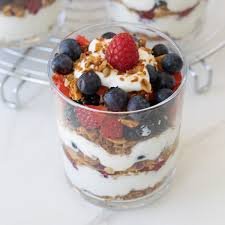
Picture this: layers of creamy yogurt, fresh fruits, and a sprinkle of crunch, all in a glass that looks as good as it tastes. Yogurt parfaits have been a go-to in my household for mornings when I need something quick but sustaining. The beauty of this snack lies in its simplicity and versatility. At its core, it’s Greek yogurt—plain and unsweetened to keep sugar in check—topped with berries, a dash of honey, and some granola or nuts. Why is it essential? Well, yogurt is a probiotic powerhouse, supporting gut health which, as more research shows, influences everything from mood to immunity. The fruits add natural sweetness and antioxidants, while the nuts provide healthy fats that keep you full longer.
To make one at home, start with a base of about half a cup of Greek yogurt. I prefer full-fat versions because they feel more indulgent without the guilt, and studies suggest they might even aid in weight management better than low-fat options. Layer in sliced strawberries, blueberries, or whatever seasonal fruit you have—bananas work great too for a potassium boost. Drizzle a teaspoon of raw honey or maple syrup if you need sweetness, but honestly, ripe fruit often does the trick. Top with a handful of almonds or walnuts for that satisfying crunch. If you’re feeling adventurous, add a pinch of cinnamon or chia seeds for extra fiber. Prep time? Under five minutes. I often make a few jars ahead for the week, storing them in the fridge. They last up to three days, though the fruit might soften a bit.
What makes this snack stand out is how customizable it is. If you’re dairy-free, swap in coconut or almond yogurt. For a protein punch, mix in some whey powder. I’ve even turned it into a dessert by adding dark chocolate shavings—70% cocoa or higher to keep it healthy. Nutritionally, a single serving can deliver around 15-20 grams of protein, plus vitamins C and K from the berries. It’s low in calories, typically under 300, making it ideal for mid-afternoon slumps. I remember a phase where I was training for a half-marathon, and these parfaits were my secret weapon against energy crashes. Friends would ask how I stayed so consistent, and I’d just point to my fridge full of colorful jars. Give it a try next time you’re tempted by a candy bar; your body will thank you.
Beyond the basics, let’s talk variations. In summer, I love using mango or peaches for a tropical twist. Come fall, apples and a sprinkle of pumpkin spice hit the spot. If you’re watching carbs, go heavier on the nuts and lighter on the fruit. And for kids? Make it fun by letting them build their own layers—it’s a sneaky way to get them eating more produce. Health-wise, the probiotics in yogurt can help with digestion, reducing bloating that plagues so many of us after heavy meals. Pair it with the fact that berries are anti-inflammatory, and you’ve got a snack that’s as good for your joints as it is for your taste buds. I’ve shared this with colleagues during office potlucks, and it’s always a hit—people appreciate something light amid the usual carb-heavy spreads. If you’re new to healthy snacking, start here; it’s forgiving and rewarding.
One thing I learned the hard way: don’t skimp on quality yogurt. The cheap stuff often has fillers that dilute the benefits. Opt for organic if possible, as it avoids unnecessary additives. And portion control? Key. It’s easy to overdo the toppings, turning a healthy snack into a calorie bomb. Aim for balance. In terms of sustainability, using reusable glass jars cuts down on waste, aligning with eco-friendly habits. Overall, yogurt parfaits embody what healthy snacking should be: effortless, nourishing, and enjoyable. They’ve become a staple in my routine, and I bet they’ll find a place in yours too.
Snack 2: Veggie Sticks with Hummus
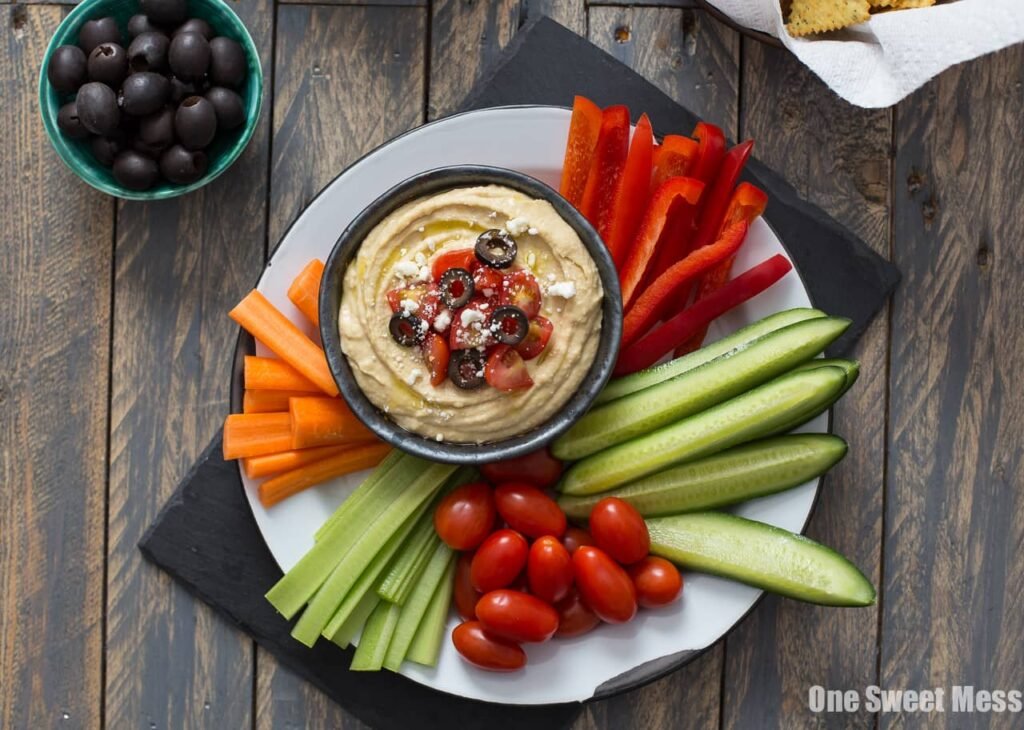
There’s something undeniably satisfying about the crisp snap of a carrot stick dipped in creamy hummus. This combo has saved me from countless vending machine temptations during long workdays. Veggie sticks with hummus are essential because they’re a vegetable delivery system disguised as a snack—getting in those servings of greens without feeling like a chore. Hummus, made from chickpeas, tahini, garlic, and lemon, brings protein and healthy fats to the table, while the veggies provide fiber and hydration.
Making it at home couldn’t be easier. For the hummus, blend a can of drained chickpeas with two tablespoons of tahini, a clove of garlic, juice from half a lemon, and a pinch of salt in a food processor. Add a splash of olive oil for smoothness. If you don’t have a processor, mash it by hand—it’s rustic and still delicious. For the sticks, cut up carrots, celery, cucumbers, bell peppers, or whatever’s in season. I like to keep a container prepped in the fridge for grab-and-go ease. Total time: about 10 minutes if making hummus from scratch, or instant if using store-bought.
Why bother with homemade? Store versions often sneak in extra sodium or preservatives. Plus, customizing flavors is fun—add roasted red peppers for a smoky twist or cumin for warmth. Nutritionally, this snack shines: chickpeas offer plant-based protein, about 7 grams per quarter cup of hummus, and the veggies are low-cal but high in vitamins A and C. It’s great for weight control, as the fiber slows digestion, keeping hunger at bay. During a family road trip last year, I packed these instead of chips, and everyone stayed happier without the sugar crashes.
Variations keep it fresh. Try broccoli florets or cherry tomatoes for dipping. For spice lovers, swirl in harissa or paprika. If you’re gluten-free or paleo, it’s naturally compliant. I’ve introduced this to picky eaters by calling it “nature’s fries and dip,” and it works wonders. Health benefits extend to heart health—the monounsaturated fats in tahini and olive oil can lower bad cholesterol. And for skin? The antioxidants in veggies fight free radicals. It’s a snack that multitasks.
One tip: store veggies in water to keep them crisp. And experiment with bean varieties—black beans make a chocolatey hummus for a sweet-savory surprise. In my experience, this snack fosters mindful eating; you’re less likely to overeat when dipping thoughtfully. It’s budget-friendly too, with ingredients costing pennies per serving. If you’re aiming for more veggies in your diet, this is your gateway.
Snack 3: Apple Slices with Nut Butter
Apples and nut butter—it’s a match made in snack heaven, reminiscent of childhood but upgraded for adult nutrition. I’ve relied on this during late-night study sessions or as a pre-workout boost. Why essential? Apples provide soluble fiber like pectin, which aids digestion and stabilizes blood sugar, while nut butters deliver protein and healthy fats for satiety.
Prep is straightforward: slice an apple (Granny Smith for tartness, Honeycrisp for sweetness) and spread on almond, peanut, or cashew butter. Aim for natural varieties without added sugars. Add a sprinkle of cinnamon or seeds for flair. Time: two minutes.
The appeal is in the balance—crunchy, creamy, sweet, and savory. A medium apple with two tablespoons of butter clocks in at around 200 calories, with 5 grams of fiber and 8 grams of protein. It’s perfect for diabetics or anyone watching glucose levels. I once swapped office donuts for this, and my energy levels soared.
Variations include topping with raisins for an “ants on a log” vibe or coconut flakes for tropical notes. For allergies, sunflower seed butter works. Health perks: nuts reduce heart disease risk, per numerous studies. Apples’ quercetin fights inflammation.
Pro tip: dip slices in lemon water to prevent browning. It’s portable and kid-approved. In essence, this snack proves healthy doesn’t mean boring.
Snack 4: Homemade Trail Mix
Trail mix is the ultimate customizable snack, born from hikers’ needs but perfect for home. I’ve mixed batches for movie nights, avoiding popcorn’s empty calories. Essential because it combines nuts, seeds, dried fruits, and perhaps chocolate for a nutrient-dense punch—fats, proteins, carbs in harmony.
To make: toss almonds, walnuts, pumpkin seeds, dried cranberries, and dark chocolate chips. Portion into bags. Time: five minutes.
Control is key—store-bought often has excess sugar. Mine keeps it under 250 calories per half-cup, with antioxidants from fruits and omega-3s from nuts.
Variations: add pretzels for saltiness or spices for heat. For low-carb, skip fruits. It’s sustained me through hikes, literally.
Benefits: sustained energy, mood boost from magnesium. Easy to adapt for diets.
Tip: roast nuts for flavor. It’s economical and fun.
Snack 5: Avocado Toast
Avocado toast gets flak for being trendy, but it’s earned its spot. I’ve made it for brunches, appreciating its creaminess. Essential for healthy fats that support brain health and skin glow.
Mash half an avocado on whole-grain toast, season with salt, pepper, lemon. Top with tomatoes or eggs. Time: five minutes.
Around 250 calories, with fiber and potassium. Great for heart health.
Variations: add feta or chili flakes. Vegan-friendly.
It’s filled me during busy days. Pro: ripe avocados store well.
Snack 6: Chia Pudding
Chia pudding is like overnight oats’ cooler cousin. I’ve prepped it for breakfasts, loving its omega-3s.
Mix chia seeds with milk, let sit overnight. Sweeten with fruit.
Pudding-like texture, high in fiber for gut health.
Variations: chocolate or matcha. Under 200 calories.
It’s kept my digestion on track.
Snack 7: Roasted Chickpeas
Crunchy, savory roasted chickpeas replace chips. I’ve baked them for parties.
Drain, season, roast at 400°F for 30 minutes.
Protein-packed, 15 grams per cup.
Variations: BBQ or curry flavors.
Great for fiber, iron.