The clock hits 9 PM. Your stomach growls. And suddenly, all the bad food decisions in your kitchen are shouting out your name.
Sound familiar?
Most people believe that night eating is the enemy of weight loss. So they fight the hunger. They go to bed miserable. And then they wake up and stuff themselves at breakfast.
Here’s the truth: It’s not so much when you eat as what you eat.
The right late-night snack can help you feel satiated, get better sleep, and support your weight loss goals. It can aid your body’s recovery overnight, help keep your blood sugar on an even keel, and prevent those 2 AM fridge raids.
The wrong snack? That’s another story.
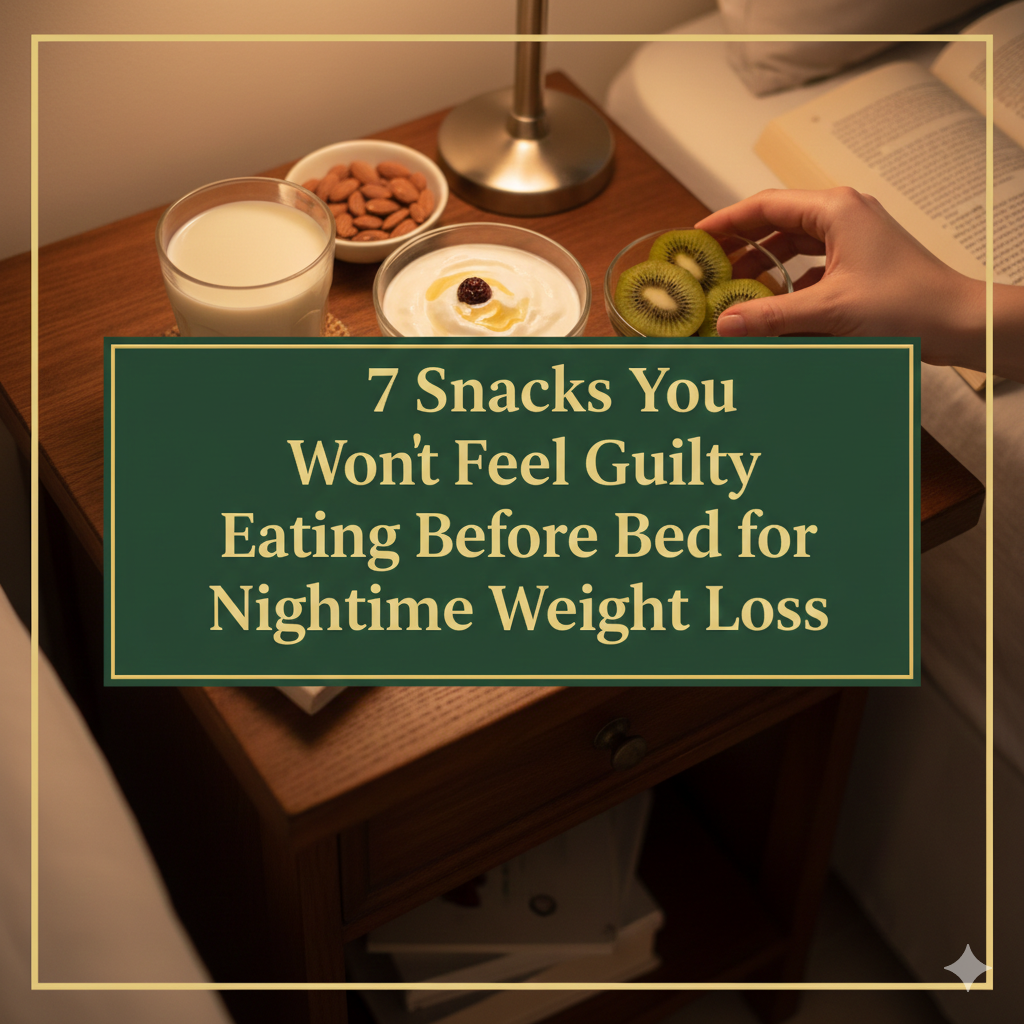
This article takes a look at the best 7 healthy snacks at home for night weight loss — what they are, why they work, how to eat them, and the science behind each one. No fluff. No complicated meal plans. Just real food that gets the job done while you sleep.
Let’s dig in.
Why Late-Night Eating Gets a Bad Reputation
Late-night snacking has long held a bad reputation for contributing to weight gain. And honestly? That reputation is somewhat deserved — but not for the reasons most people think.
The problem isn’t the timing. The problem is the choices.
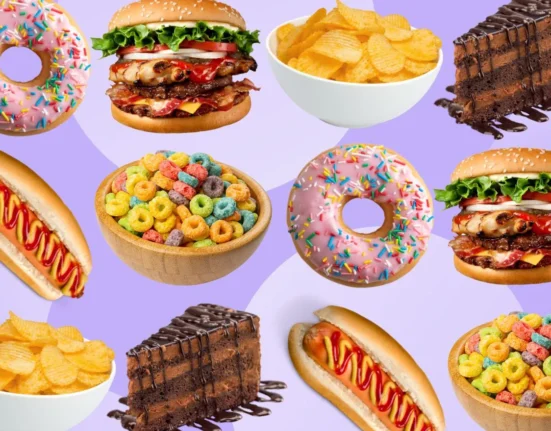
Nearly everyone goes for chips, ice cream, leftover pizza, or sugary cereal at night. These foods are calorie-dense, low in protein, and throw your blood sugar out of whack right before bed. It all leads to bad sleep, fat storage, and morning hunger.
But here’s the thing no one talks about: eating a small, protein-rich, fiber-packed snack right before bed can actually make you feel fuller throughout the night. It can boost your metabolism, aid in muscle repair, and help regulate hunger hormones throughout the night.
The secret is to keep your bedtime snack under 200 calories, high in protein or fiber, and low in added sugar.
And that is exactly what the snacks on this list provide.
What Your Body Is Doing While You Sleep
Before we dig into the snacks, a word on what your body is actually up to while you sleep.
Your body does not power off at night. It’s working hard.
It repairs muscles. It regulates hormones. It processes the day’s nutrients. It burns calories — yes, even while you sleep.
In reality, your body burns around 50–80 calories an hour during sleep, depending on your size and metabolism. That is your basal metabolic rate at rest.
If you go to sleep hungry, you may also break down muscle tissue for energy instead of burning fat. The loss of muscle slows down your metabolism over time. That’s the opposite of what you want.
A small, smart nighttime snack stops that from happening. It gives your body something to work with — so it burns fat instead of muscle while you sleep.
The Dos and Don’ts of Healthy Night Snacking
Not all snacks are suited for night eating. Here’s what to look for:
Keep it under 200 calories. A bedtime snack should complement, not replace, a meal. Anything more than 200 calories and you’re getting into meal territory.
Prioritize protein. Protein is digested more slowly and keeps you fuller. It also helps with muscle repair overnight — which is crucial if you work out.
Add fiber where possible. Fiber slows down digestion and helps keep blood sugar steady through the night. This prevents fat storage from insulin spikes.
Avoid added sugar. Sugar before bed spikes insulin, disrupts sleep quality, and signals your body to store fat. Stay away from it at night.
Keep it easy to prepare. You won’t make a snack that takes 20 minutes at 10 PM. The best nighttime snacks come together in 5 minutes or less.
Now for the good stuff.
7 Best Healthy Snacks at Home for Night Weight Loss
1. Cottage Cheese with a Sprinkle of Cinnamon
If there’s one nighttime snack that nutritionists consistently recommend, it’s cottage cheese.
Here’s why: cottage cheese is loaded with casein protein. Casein is a slow-digesting protein. It slowly releases amino acids into your bloodstream over several hours — the ideal situation for your muscles while you sleep.
One half-cup of low-fat cottage cheese provides about 14 grams of protein and just 80–90 calories. That’s a hefty nutritional punch for such a small snack.
Now add cinnamon on top.
Cinnamon helps normalize blood sugar levels. It slows the rise of sugar in your blood, which means more even energy, less fat-storage signaling, and better sleep overall.
Together, cottage cheese and cinnamon make one of the most scientifically-backed healthy snacks at home for night weight loss.
How to eat it: Spoon half a cup of plain low-fat cottage cheese into a bowl. Sprinkle half a teaspoon of cinnamon on top. Optional: add a few blueberries or a small drizzle of honey.
Calories: ~100–120 Protein: ~14g Best time: 30–60 minutes before bed
2. Hard-Boiled Eggs
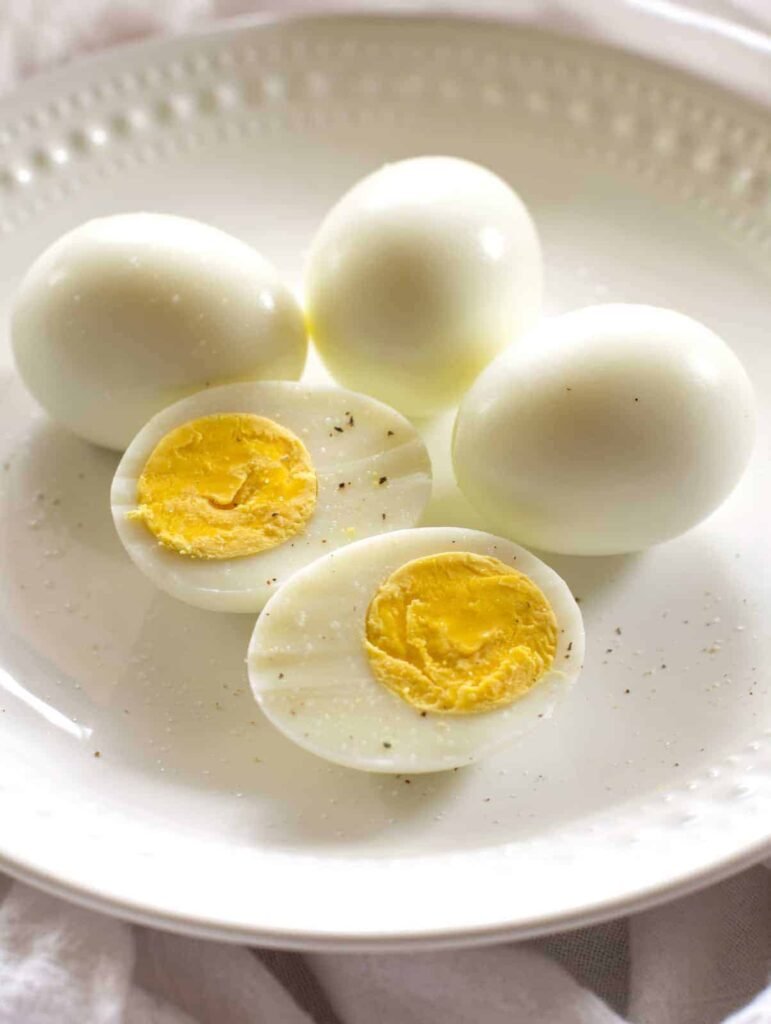
Simple. Cheap. Incredibly effective.
Two hard-boiled eggs contain about 12 grams of protein and roughly 140 calories. They’re one of the few complete protein sources, meaning they carry all nine essential amino acids your body needs.
At night, that protein gets right to work — repairing muscle tissue, bolstering your immune system, and keeping you full throughout the night.
Hard-boiled eggs are also high in tryptophan, an amino acid that encourages your body’s melatonin production. Melatonin is the hormone that regulates your sleep-wake cycle. In other words, eggs don’t just promote weight loss — they may help you sleep better too.
Prep a batch of 4–6 eggs at the beginning of the week. Store them in the fridge. The next time late-night hunger strikes, you’re already prepared.
| Nutrient | 2 Hard-Boiled Eggs |
|---|---|
| Calories | ~140 |
| Protein | 12g |
| Fat | 10g |
| Carbs | 1g |
| Sugar | 0g |
How to eat it: Peel two eggs. Sprinkle with a little black pepper or a pinch of sea salt. Done.
Best time: Whenever hunger hits after dinner
3. Greek Yogurt with Flaxseeds
A big serving of plain Greek yogurt in the evening makes for a great snack. It’s thick, creamy, and full of casein protein — much like cottage cheese.
A cup of plain Greek yogurt has roughly 17–20 grams of protein and 100–150 calories per serving, depending on the brand. It’s one of the highest-protein foods you can eat without cooking anything.
But here’s where the magic happens: add a tablespoon of ground flaxseeds.
Flaxseeds are high in omega-3 fatty acids and fiber. The omega-3s help keep inflammation down and fat metabolism humming. The fiber in flaxseeds slows digestion, so you feel full longer at night and maintain steadier blood sugar.
Just one tablespoon of ground flaxseed contributes approximately 2 grams of fiber and 1.5 grams of omega-3s with only 37 calories. That’s a strong bonus for an already mighty snack.
According to Healthline’s overview of flaxseeds, their fiber and omega-3 content make them one of the most nutrient-dense additions you can make to any snack or meal.
Pass up the flavored yogurts — they’re packed with hidden sugar. Go plain with some flaxseeds and a few raspberries on top for something sweet.
How to eat it: One cup of plain Greek yogurt, one tablespoon of ground flaxseeds, and a few berries on top. Mix and eat slowly.
Calories: ~150–180 Protein: ~18–20g Best time: 1 hour before bed
4. A Small Handful of Almonds
Almonds are the kind of snack that seems almost too simple to be transformative. But the evidence overwhelmingly supports them.
A scant handful — 15 to 20 almonds — packs in healthy monounsaturated fats, about 6 grams of protein, and 3 grams of fiber. That combination silences hunger for hours.
Almonds are also a strong source of magnesium. Magnesium plays a direct role in sleep quality. Studies indicate that people with higher magnesium levels fall asleep faster, sleep more soundly, and wake up feeling more refreshed.
Better sleep equals better weight loss. Sleep deprivation is one of the biggest hidden causes of weight gain. When you don’t sleep well, your hunger hormones (ghrelin and leptin) go all out of whack. You wake up in the morning craving calorie-dense foods.
Almonds help break that cycle from both ends — satisfying nighttime hunger and supporting better sleep through magnesium.
One important rule: stick to one small handful. Almonds are calorie-dense. A full cup can have 500+ calories. Limit yourself to 15–20 almonds, which totals approximately 100–120 calories.
How to eat it: Measure out 15–20 raw or dry-roasted almonds (unsalted). Eat slowly and mindfully.
Calories: ~100–120 Protein: ~6g Best time: Post-dinner, for when you want something small and satisfying
5. Chia Seed Pudding (Made the Night Before)
Chia seed pudding is the ultimate prep-ahead bedtime snack. You prepare it the night before, and the following evening it’s already sitting in your fridge, ready to go.
Two tablespoons of chia seeds swell dramatically when combined with liquid. They absorb up to 10 times their weight in liquid. That expansion takes place in your stomach too — helping fill you up on very few calories.
Two tablespoons of chia seeds deliver just over 10 grams of fiber, 5 grams of protein, and omega-3 fatty acids. That combination is perfect for nighttime weight loss: it satiates you, stabilizes blood sugar, and reduces inflammation while you sleep.
The pudding takes on a creamy, dessert-like texture that feels indulgent. If your greatest nighttime challenge is taming a sweet tooth, this snack is your answer.
How to prepare it: Stir 2 tablespoons of chia seeds into half a cup of unsweetened almond milk. Stir well. Refrigerate overnight. In the morning, stir again. Top with berries or a light drizzle of honey before eating.
Calories: ~130–160 Fiber: ~10g Best time: Made the evening before, eaten as the following night’s snack
6. Warm Chamomile Tea with a Boiled Sweet Potato
This one’s a little different. But that is precisely why it works.
Warm tea and sweet potato aren’t what you’d typically think of as a snack combo. But it checks every box for night weight loss.
Sweet potatoes are a complex carbohydrate. Unlike refined carbs (white bread, crackers, chips), complex carbs are processed slowly. They have a slow release of glucose into your blood, meaning insulin stays low and fat is less likely to be stored.
A single small boiled sweet potato — about 100 grams — contains roughly 86 calories, almost 4 grams of fiber, and a solid dose of potassium and vitamin B6. Both of these support your nervous system and can help you relax before bed.
Pair it with chamomile tea.
Chamomile contains apigenin, a natural compound that binds to receptors in your brain and helps initiate sleepiness. Better sleep equals better weight loss. This combo addresses hunger and sleep simultaneously.
How to prepare it: Boil or microwave a small sweet potato. Brew a cup of chamomile tea. Take a bite of the sweet potato and sip the tea slowly.
Calories: ~90–100 (potato only; tea is near zero) Fiber: ~4g Best time: 45–60 minutes before bed
7. Banana with a Tablespoon of Peanut Butter
The most satisfying snack on this list. And one of the most effective for nighttime weight loss when done right.
Bananas earn a bad reputation in the dieting world, thanks to their sugar content. But here’s the thing — natural fruit sugar in a banana is nothing like added sugar in processed food. A medium banana contains about 14 grams of naturally occurring sugar, plus 3 grams of fiber, and roughly 105 calories.
That fiber delays how fast the sugar enters your blood. So what you get is a mild, prolonged energy release — not a spike and crash.
Bananas are also one of the few food sources of tryptophan and vitamin B6. Your body needs both of these to manufacture serotonin and melatonin — the sleep hormones. Having a banana before bed can genuinely help you fall asleep faster.
Add one tablespoon of natural peanut butter.
Peanut butter adds healthy fat and protein to slow digestion even further. It adds volume and balance to the snack. The fat also helps you absorb the nutrients in the banana.
Limit yourself to one tablespoon of peanut butter and one medium banana. That brings the total to around 200 calories — the upper edge of the sweet spot for nighttime snacks.
For more ideas on building a healthy snacking routine at home, check out Healthy Snacks at Home — a dedicated resource packed with practical, real-food snack guides.
How to eat it: Slice a medium banana. Dip or drizzle with 1 tablespoon of natural peanut butter (no added sugar or oil).
Calories: ~195–205 Protein: ~4g Best time: 30–45 minutes before bed
All 7 Nighttime Snacks at a Glance
| Snack | Calories | Protein | Fiber | Best Benefit |
|---|---|---|---|---|
| Cottage Cheese + Cinnamon | ~110 | 14g | 0g | Casein protein for overnight muscle repair |
| Hard-Boiled Eggs | ~140 | 12g | 0g | Complete protein + sleep support |
| Greek Yogurt + Flaxseeds | ~165 | 19g | 2g | High protein + omega-3s |
| Almonds (15–20) | ~110 | 6g | 3g | Magnesium for deeper sleep |
| Chia Seed Pudding | ~145 | 5g | 10g | Max fiber, sweet cravings fix |
| Sweet Potato + Chamomile | ~95 | 2g | 4g | Calm sleep + stable blood sugar |
| Banana + Peanut Butter | ~200 | 4g | 3g | Sleep hormones + satisfied fullness |
The Very Worst Late-Night Snacks (Avoid These)
Knowing what not to eat at night is just as important as knowing what to eat.
Sugary Cereals and Granola
Most cereals look healthy on the box. But a lot of them have 20–30 grams of sugar per serving. A sugar spike at night ramps up insulin and tells your body to store fat. It also messes with sleep and induces 3 AM hunger pangs.
Chips and Crackers
High in processed carbs and sodium. They cause water retention, bloating, and are incredibly hard to stop eating. One handful quickly becomes the entire bag.
Ice Cream
High in sugar, high in fat, and very easy to eat too much of. For many people, cold dairy late at night can also cause digestive discomfort that interferes with sleep.
Leftover Pizza or Takeout
These tend to be loaded with excess calories, sodium, and refined carbs — a three-headed monster when it comes to late-night weight gain. The sodium alone can cause you to retain water weight overnight.
Flavored Popcorn
Plain, air-popped popcorn is actually decent. But flavored varieties — butter, caramel, cheese — are calorie-dense and can be laden with additives.
How to Build a Nighttime Snack Habit That Sticks
Knowing what to eat is step one. Actually doing it consistently is step two. Here’s how to make it stick:
Set a Snack Window
Choose one window of time for your nighttime snack — say between 8:30 PM and 9:00 PM. Having a fixed window stops mindless snacking from stretching into the late evening.
Prep in Advance
Chia pudding gets made the night before. Eggs get boiled in bulk on Sunday. Almonds get portioned into small snack bags. The more you prep, the less likely you are to gravitate toward something unhealthy in a weak moment.
Eat Mindfully, Not on Autopilot
Put the snack in a bowl. Sit down. Put your phone away. Eat slowly. Just this one habit alone can save you 20–30% of the calories you consume after dark. When you eat while watching TV, your brain doesn’t register fullness the same way.
Don’t Make It the Highlight of Your Evening
If you’re craving your bedtime snack all day, something’s off with your daytime eating. Make sure your meals are substantial enough that nighttime snacking feels like a small, optional top-up — not your main event.
FAQs About Healthy Snacks at Home for Night Weight Loss
Q: Is it really okay to eat before bed when trying to lose weight?
Yes — provided you pick the right snack. A small snack that is high in protein and low in sugar in the evening will support muscle repair, keep hunger hormones in check, and prevent overeating at breakfast. The issue is what most people eat on a nightly basis.
Q: How late is too late to eat a nighttime snack?
Most professionals say to have your last snack at least 30–60 minutes before you want to go to bed. Eating right before lying down can lead to acid reflux and interfere with digestion. Give your body a little time to process before you fall asleep.
Q: Will eating at night slow down my metabolism?
Not if you eat the right foods. Your metabolism doesn’t take the night off. Your body is constantly burning calories. A small, smart snack won’t slow anything down — in fact, having adequate protein overnight may actually help keep your metabolic rate up by protecting muscle.
Q: Which of these 7 snacks is best for someone who works out in the evening?
If you work out at night, cottage cheese, Greek yogurt, or hard-boiled eggs are your best choices. They contain the highest amount of protein and will go to work on muscle repair while you sleep. Pair one of these with a banana if you need to replenish energy after a workout.
Q: I have a sweet tooth at night. What’s the best option from this list?
Try the chia seed pudding or the banana with peanut butter. Both have natural sweetness, help with cravings, and won’t spike your blood sugar the way processed sweets do.
Q: Can I eat these snacks every single night?
Yes. All of these are whole, minimally processed foods with no harmful added ingredients. Alternating between them throughout the week keeps things interesting and ensures you get a wide variety of nutrients. Consistency is entirely the point — the more often you choose these over junk at night, the sooner you’ll see results.
Q: What if I’m not hungry at night but have read that eating protein before bed helps?
Don’t force it. If you are genuinely not hungry, you don’t have to eat. Your body will continue to burn fat while you sleep. These snacks are for people who have real nighttime hunger — not as an excuse to eat when you’re already satisfied.
Final Thoughts: Sleep Your Way to a Slimmer Body
Here’s the thing: hunger at night is not your enemy. Ignoring it tends to lead to worse choices, disrupted sleep, and a slower metabolism.
These 7 healthy snacks at home for night weight loss are designed to work with your body, not against it. Each one is chosen for a specific reason — protein to preserve muscle, fiber to stabilize blood sugar, magnesium to deepen sleep, or tryptophan to support melatonin production.
Your body doesn’t stop burning calories just because you go to bed. You’re putting your body to work overnight. Give it the right fuel and you’ll get better sleep, less morning hunger, and a metabolism that keeps burning.
Start with one or two snacks from this list. Build the habit slowly. And see how much easier weight loss becomes when you stop fighting your body every night — and start working with it instead.