Do you get tired in the afternoon? Do you hit a slump in energy after lunch or school? You are not alone. When people are dragging, millions reach for chips or cookies or something sugary to get a lift. But those options simply make matters worse.
The good news? There’s no need to spend a lot of money on supplements or fancy food. The best healthy snacks at home have been sitting in your kitchen all along. They are easy, inexpensive, and improbably enough, very good.
I’m going to show you 9 potent homemade snacks in this article. Such a great source of nutrients that give our bodies real, lasting energy. No more sugar crashes. No more afternoon slumps.
Let’s dig in.
What Your Snack Choice Really Says About You
To most people, a snack is just something to tide them over until the next meal. But snacks do much more.
When you snack right, your blood sugar stays stable. Your brain is fueled. Your muscles stay strong. And your mood stays balanced.
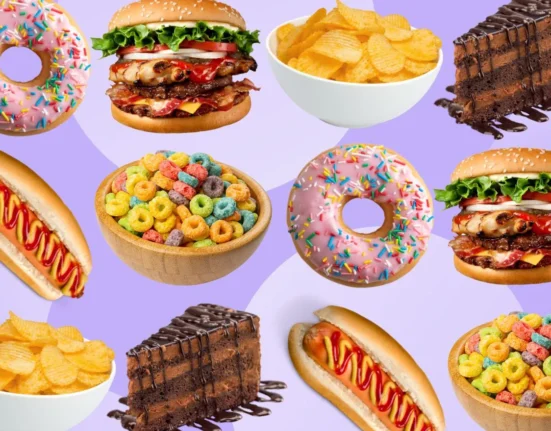
When you eat the wrong snack, your blood sugar goes soaring up and then plummets down. You’re tired, foggy, and irritable. It becomes a vicious cycle that’s really tough to stop.
Healthy homemade snacks break that cycle. They provide your body with slow-release energy from actual ingredients — fiber, protein, and healthy fats.
Here’s a glimpse at what those energy-boosting nutrients do for you:
| Nutrient | Energy Role | Found In |
|---|---|---|
| Complex Carbs | Slow, steady energy release | Oats, bananas, whole grain crackers |
| Protein | Keeps you full, builds muscle | Eggs, Greek yogurt, nuts |
| Healthy Fats | Long-lasting energy source | Avocado, nut butters |
| Fiber | Prevents spikes in blood sugar | Sweet potatoes and nuts |
| Iron | Oxygenates cells | Kale and seeds |
The ideal snack has two or more of these nutrients. And that’s exactly what the nine snacks below offer.
Snack #1 – Whole Grain Toast with Peanut Butter
It’s a classic combination for a reason. It works.
A piece of whole grain bread will offer you complex carbohydrates. These are not as quickly digestible as white bread, so energy is delivered gradually into your bloodstream. No spike. No crash.
The peanut butter brings the protein and good fat. All together, they’re a balanced snack that will keep you powered for hours.
How to Make It Better
- Opt for bread that has at least 3 grams of fiber per slice.
- Choose a natural peanut butter with no added sugar.
- Sprinkle banana slices over the top for a potassium-rich boost.
Potassium is an electrolyte that enables your muscles to function properly. This is also why athletes love bananas.
This snack can be ready in two minutes. It’s one of the simplest healthy snacks at home you can pull together, and it packs way more nutritional punch than its weight.
Snack #2 — Greek Yogurt with Berries and Honey
There’s yogurt, and then there’s Greek yogurt. It’s thicker, creamier, and packed with protein. A cup can pack up to 17 grams of protein.
Protein also helps to sustain your energy levels. It also helps keep you satisfied so you won’t be rummaging for junk food an hour later.
Throw some berries on top and you’re getting your antioxidants, natural sugars, and vitamins all in one hit. Blueberries, strawberries, and raspberries all work beautifully here.
The Honey Touch
A drizzle of raw honey provides just a hint of sweetness. Honey also delivers trace amounts of vitamins and minerals, and some research indicates that it may aid with endurance.
| Greek Yogurt Snack Nutrition (Approx.) | Per Serving |
|---|---|
| Calories | 180–220 |
| Protein | 15–17g |
| Carbohydrates | 20–25g |
| Fat | 3–5g |
| Sugar (natural) | 10–14g |
This snack works great in the morning and once 4 PM hits. It’s one of the most nutrient-dense healthy snacks at home on this entire list.
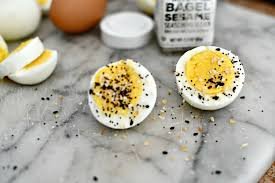
Snack #3 — Hard-Boiled Eggs with a Pinch of Salt
Simple. Cheap. Incredibly powerful.
Eggs are one of nature’s most nutrient-packed foods. They provide all nine essential amino acids. They’re high in B vitamins, including B12, which your body uses to make energy at the cellular level.
A hard-boiled egg contains roughly 6 grams of protein. A pair of eggs gives you a respectable 12 grams. It’s a solid protein hit that will keep your energy high and your appetite lower.
Prep Tip to Save Time
Boil a half-dozen to eight eggs at the beginning of the week. Keep them in their shells and store in the fridge. They stay fresh for up to seven days.
When you are in need of a quick snack, simply peel one or two eggs, add a pinch of salt, and you are done. That’s it. No cooking, no fuss.
Eggs are one of those healthy snacks at home that people don’t think of — but we should all be thinking about.
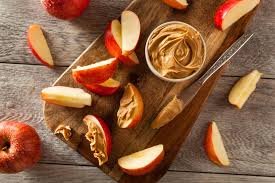
Snack #4 — Apple Slices with Almond Butter
Apples are really one of the most underrated energy foods around.
They have natural sugars to give you a lift of energy. But unlike candy, that sugar is wrapped in fiber. The fiber slows the rate at which your body absorbs sugar. As a result, you get clean and constant energy.
And this snack gets even better with almond butter. It contributes protein, healthy fat, and magnesium. Magnesium is a critical player in how your body converts food into energy. Low magnesium is actually one of the leading causes of fatigue.
Quick Snack Assembly
- Cut one medium apple into wedges.
- Spread a thin layer of almond butter on each slice or dip.
- Optional: dust a little bit of cinnamon on top.
Cinnamon isn’t just for flavor. It can help to control blood sugar levels. This makes the snack even better at keeping your energy steady.
Snack #5 — Mixed Nuts and Dark Chocolate
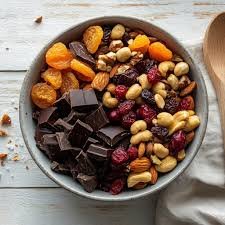
It may sound like a splurge, but it’s actually one of the best healthy snacks at home you can have on hand.
Nuts are packed with healthy fats, fiber, and protein. They’re calorie-dense, so a small handful can give you lots of energy. Almonds, walnuts, cashews, and Brazil nuts all work well.
Dark chocolate — the 70% cocoa stuff or higher — is full of iron, magnesium, and natural caffeine. Yes, there’s a little caffeine in real dark chocolate. It’s part of why it feels like natural energy.
The Right Ratio Matters
You won’t need much dark chocolate. A few small squares combined with a handful of nuts is plenty. The aim is balance, not a sugar hit.
| Nut | Energy Benefit | Key Nutrient |
|---|---|---|
| Almonds | Sustained energy | Vitamin E, magnesium |
| Walnuts | Brain fuel | Omega-3 fatty acids |
| Cashews | Fights fatigue | Iron, zinc |
| Brazil Nuts | Thyroid support | Selenium |
Keep a small bag of this mix in your backpack, at your desk, or on the kitchen counter. It’s ready whenever you are.
Snack #6 — Hummus with Veggie Sticks
Hummus is made from chickpeas. Chickpeas are high in complex carbohydrates and plant-based protein. That combination is perfect for sustained energy.
Pair hummus with raw vegetables and suddenly you’ve got a snack that delivers vitamins, minerals, and crunch all at once. Carrots, cucumbers, bell peppers, and celery all work beautifully here.
Why Veggies Beat Crackers Here
People dunk crackers into hummus and that’s fine. But raw veggies are lower in calories and higher in fiber. They also add more micronutrients.
Carrots, for instance, are high in beta-carotene and vitamin C. According to Healthline, bell peppers contain more vitamin C than oranges per gram — making them one of the most powerful vegetables you can snack on.
This snack is also ideal for those watching their diet. It’s satiating, gives you lots of energy, and contains relatively few unhelpful ingredients.
If you are interested in making your own hummus at home, all you need is:
- Canned chickpeas
- Tahini (sesame paste)
- Lemon juice
- Garlic
- Olive oil
- Salt
Mix it all together and you’re done. Homemade hummus is always fresher and tastier than store-bought.
Snack #7 — No-Bake Oatmeal Energy Balls
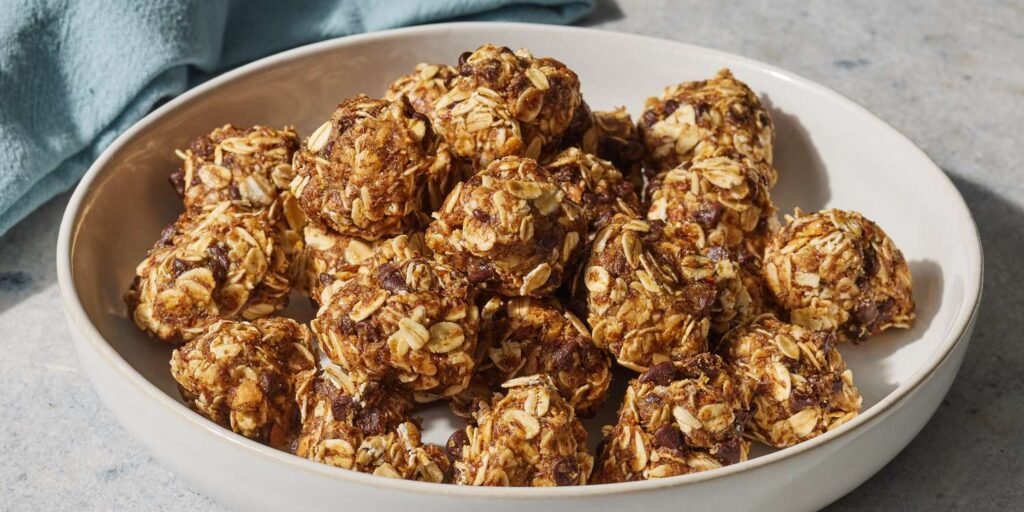
These are fun to make and even more fun to eat, and the kids can help with every step.
They are made from rolled oats, nut butter, honey, and mix-ins such as chocolate chips or seeds. They’re not even baked — you form them into balls, chill them, and you’re done.
No oven required.
Basic Recipe
Ingredients:
- 1 cup rolled oats
- ½ cup peanut or almond butter
- ⅓ cup honey
- ½ cup chocolate chips or flax seeds
- 1 tsp vanilla extract
Instructions:
- Mix everything in a bowl.
- Set the mixture aside to chill for about 30 minutes.
- Roll into small balls.
- Store in the fridge for up to a week.
Each ball is a tidy little bundle of carbs, protein, and fat. They’re one of the most portable and meal-prep-friendly healthy snacks at home on this list.
You can batch-cook them on Sunday and nibble at them all week.
Snack #8 — Avocado on Rice Cakes
Avocado has gotten a lot of love recently — and deservedly so. It is one of the very few fruits that is rich in healthy fats.
Those fats are primarily monounsaturated, the kind that is good for the brain and that can give you sustained energy. Avocados are also rich in potassium, folate, and B vitamins that help convert food into energy.
Rice cakes are light and low in calories. They provide a crunchy base that won’t weigh you down with heavy carbs.
How to Dress It Up
- Mash half an avocado onto two rice cakes.
- Sprinkle with sea salt and black pepper.
- Toss in some red pepper flakes for heat.
- Or add sliced tomatoes and a squeeze of lemon.
It’s refreshing and satisfying at the same time. It’s a nice afternoon pick-me-up — something light but energizing.
Snack #9 — Cottage Cheese and Banana
You might find it a weird combo, but it works like a charm.
Bananas are nature’s energy bar. They are a source of three natural sugars — fructose, glucose, and sucrose — along with fiber. This combination provides both quick energy and sustained energy all at once.
Cottage cheese provides a protein punch that slows the release of sugar even more. Half a cup of cottage cheese has roughly 12–14 grams of protein.
The Nutritional Breakdown
| Ingredient | Key Benefit |
|---|---|
| Banana | Quick energy, potassium |
| Cottage Cheese | Slow-digesting protein, calcium |
| Combined | Energy balance and muscle support |
This combo is often consumed by athletes before or after a workout. But it’s equally wonderful for anyone who requires a midday boost of energy.
Cut the banana into the cottage cheese. Stir in a pinch of cinnamon if you want. Done in under two minutes.
How to Establish a Smart Snacking Routine
Knowing which snacks to eat is only half the battle. When you eat them counts too.
Most people do better with a small snack around mid-morning (10–11 AM) and in the mid-afternoon (3–4 PM). These are the natural ebbs of your energy cycle.
Here is some advice to help you build a better snacking habit:
Prep ahead. On the weekend, chop your fruits and veggies. Make a batch of energy balls. Boil your eggs. When you have healthy snacks that are ready to grab, reaching for junk is far less likely.
Stay hydrated. Lack of hydration is often mistaken for hunger or fatigue. Drink water throughout the day. A glass of water is often all you need to snap back into focus.
Don’t snack out of boredom. Before you grab food, ask yourself if you’re actually hungry. True hunger usually builds slowly. Boredom hunger appears suddenly.
Pair your macros. Always try to mix a carbohydrate with a protein or fat. That slows down digestion and helps keep energy even.
Best Times to Eat These Healthy Snacks at Home
| Time of Day | Best Snack | Why It Works |
|---|---|---|
| Morning (9–11 AM) | Greek yogurt with berries | Protein + antioxidants to start strong |
| Pre-Lunch (11–12 PM) | Apple with almond butter | Steady supply of natural sugar + fat |
| Afternoon (3–4 PM) | Hummus with veggies | Complex carbs + fiber beats the slump |
| Post-Workout | Banana with cottage cheese | Fast and slow energy for muscle recovery |
| Evening | Mixed nuts + dark chocolate | Healthy fats + magnesium to wind down |
FAQs About Healthy Snacks at Home
Are the snacks we make at home healthier than store-bought kinds?
Yes, in most cases. When you prepare snacks at home, you control the ingredients. Commercial snacks are laden with sugar, preservatives, and artificial flavorings. Homemade versions are fresher, less expensive, and more nutritious.
How many snacks do I need per day?
Most people do fine with one to two snacks per day, depending on activity level and meal size. Focus on quality over quantity. Two balanced snacks are far better than five high-sugar ones.
Can kids eat these snacks?
Absolutely. Every one of the nine snacks listed here is kid-friendly. You might want to skip the dark chocolate for very young children, but otherwise it’s good for all ages.
What if I have a nut allergy?
Most of these snacks can be adapted. Substitute peanut or almond butter for sunflower seed butter. Swap pumpkin seeds for the nuts. There are plenty of nut-free options that still give you protein and healthy fats.
Can munching on these snacks actually help me lose weight?
Healthy snacks may help manage your weight by curbing appetite at mealtimes. But weight loss is more likely to depend on your overall diet and lifestyle. These are snacks made to fuel your body, not specifically for weight loss. That said, compared to chips or candy, they’re much better choices.
How do you stop craving junk food for snacks?
Begin by swapping just one junk food snack for a healthy one. Don’t try to change everything at once. Over time, your taste buds adjust. For a lot of people, after a few weeks of eating fresh whole foods, even processed snacks taste too sweet or salty.
Do these snacks cost much to make?
Not at all. Several of the ingredients — oats, eggs, bananas, canned chickpeas — are some of the least expensive foods in the grocery store. Healthier, homemade snacks are going to be almost universally cheaper than reaching for processed snack packs or takeout.
The Bottom Line
There is no real energy in caffeine or sugar. It all adds up from what you’re consistently putting inside your body.
These nine healthy snacks at home show that you don’t have to spend a lot of time, money, or energy in order to eat well. From peanut butter toast to no-bake energy balls, there’s something for everyone here.
Start small. Choose a snack or two from this list and try it out this week. See how your energy feels. Notice whether you are less tired in the afternoon. Notice how long you stay full.
After you taste the difference, you will have less and less interest in returning to chips and candy.
Your body runs on the fuel that you put into it. Feed it well.