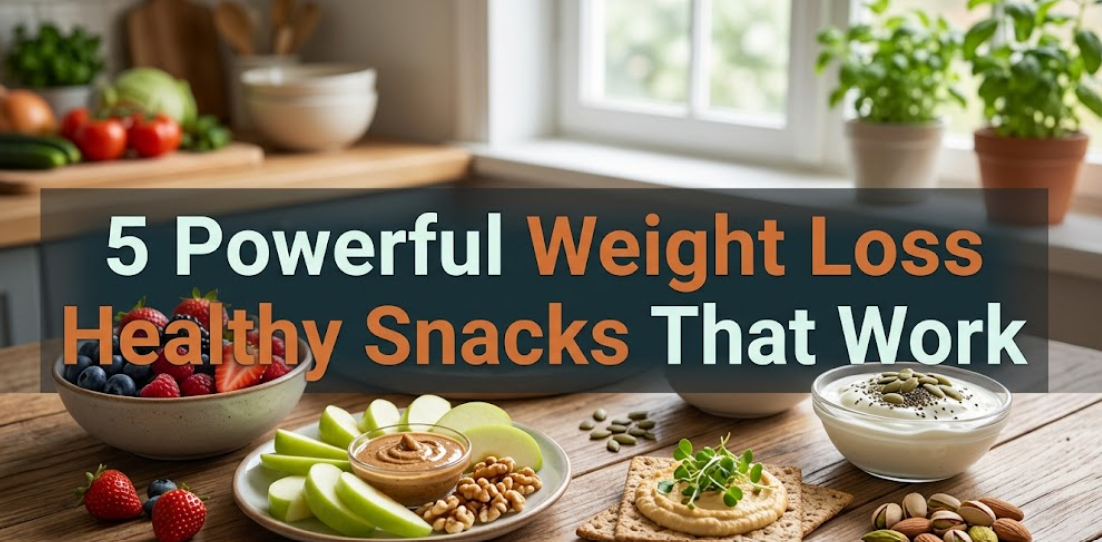
Weight loss is rarely about dramatic restrictions or extreme diets. More often, it comes down to the small decisions made daily—especially what you eat between meals. Snacks, often overlooked or dismissed, can quietly determine whether your calorie balance supports fat loss or stalls progress.
Many people associate snacking with overeating, but that’s only half the story. When done right, snacking can stabilize blood sugar, prevent binge eating, improve energy levels, and even support metabolism. The key lies in choosing snacks that are nutrient-dense, satisfying, and strategically portioned.
This article explores five powerful weight loss snacks that consistently deliver results—not because they’re trendy, but because they align with how the body actually works. You’ll also find practical tables, comparisons, and insights to help you make smarter choices without overthinking every bite.
understanding what makes a snack “work” for weight loss
Before diving into the list, it’s worth understanding what separates a helpful snack from a harmful one.
A snack that supports weight loss typically has:
- A balance of protein, fiber, and healthy fats
- Low to moderate calorie density
- High satiety (keeps you full longer)
- Minimal added sugars and refined carbs
On the other hand, snacks that sabotage progress often spike blood sugar quickly, leading to crashes and cravings.
Here’s a simple comparison:
| Snack Type | Blood Sugar Impact | Satiety Level | Likely Outcome |
|---|---|---|---|
| Sugary biscuits | High spike | Low | More cravings |
| Chips | Moderate spike | Low | Overeating |
| Protein yogurt | Stable | High | Controlled appetite |
| Nuts | Stable | High | Sustained energy |
| Fruit + protein | Balanced | High | Fat loss support |
snack 1: greek yogurt with berries
There’s a reason this combination shows up in nearly every evidence-based nutrition plan—it works.
Greek yogurt is packed with protein, which plays a crucial role in reducing hunger hormones while increasing satiety signals. Berries, on the other hand, are rich in fiber and antioxidants while being relatively low in calories.
Why it works:
- High protein helps maintain muscle mass during weight loss
- Natural sweetness reduces sugar cravings
- Fiber slows digestion, keeping you full longer
Typical nutritional profile (1 serving):
| Component | Amount |
|---|---|
| Calories | 120–150 |
| Protein | 10–15g |
| Fiber | 2–4g |
| Sugar (natural) | 5–8g |
Best time to eat:
Mid-morning or post-workout, when your body benefits most from protein intake.
Practical tip:
Choose plain, unsweetened yogurt and add your own berries to avoid hidden sugars.
snack 2: apple slices with peanut butter
This snack is simple, accessible, and surprisingly powerful.
Apples provide fiber—especially pectin—which slows digestion. Peanut butter adds healthy fats and protein, making the snack more filling than fruit alone.
Why it works:
- Combines fast and slow-digesting nutrients
- Prevents rapid blood sugar spikes
- Satisfies both sweet and savory cravings
Nutritional breakdown:
| Component | Amount |
|---|---|
| Calories | 180–220 |
| Protein | 4–6g |
| Fiber | 4–5g |
| Healthy fats | 8–10g |
Satiety comparison:
| Snack Combination | Fullness Duration |
|---|---|
| Apple alone | 1–2 hours |
| Peanut butter alone | 2–3 hours |
| Apple + peanut butter | 3–4 hours |
Best time to eat:
Afternoon slump—this snack stabilizes energy without causing drowsiness.
Practical tip:
Stick to 1 tablespoon of peanut butter to control calories while still benefiting from healthy fats.
snack 3: boiled eggs with a pinch of salt and pepper
Eggs are one of the most nutrient-dense foods available. When boiled, they become a portable, no-fuss snack that delivers protein, healthy fats, and essential vitamins.
Why it works:
- High protein reduces appetite hormones like ghrelin
- Contains choline, supporting metabolism
- Low in calories relative to nutrient density
Nutritional table (1 large boiled egg):
| Component | Amount |
|---|---|
| Calories | 70–80 |
| Protein | 6g |
| Fat | 5g |
| Carbs | <1g |
Hunger control effectiveness:
| Snack Type | Hunger Reduction Score (1–10) |
|---|---|
| Chips | 3 |
| Granola bar | 5 |
| Boiled egg | 9 |
Best time to eat:
Late afternoon or early evening, especially if dinner is still hours away.
Practical tip:
Prepare a batch in advance and store them in the fridge for quick access.
snack 4: roasted chickpeas
For those who crave something crunchy, roasted chickpeas are a game-changer.
Unlike processed snacks, chickpeas offer fiber and plant-based protein, making them far more satisfying.
Why it works:
- High fiber supports digestion and fullness
- Crunchy texture satisfies snack cravings
- Lower glycemic impact than typical chips
Nutritional breakdown (½ cup roasted):
| Component | Amount |
|---|---|
| Calories | 120–140 |
| Protein | 6–7g |
| Fiber | 5–6g |
| Carbs | 18–20g |
Comparison with chips:
| Snack Type | Calories | Fiber | Satiety |
|---|---|---|---|
| Potato chips | 150 | 1g | Low |
| Roasted chickpeas | 130 | 5g | High |
Best time to eat:
Anytime you’d normally reach for chips—especially during evening cravings.
Practical tip:
Season with spices like paprika or cumin instead of excess salt.
snack 5: cottage cheese with cucumber or tomatoes
This snack is often underestimated, but it’s one of the most effective for weight loss.
Cottage cheese is rich in casein protein, which digests slowly, providing a steady release of amino acids.
Why it works:
- Slow digestion keeps you full for hours
- High protein supports muscle preservation
- Low calorie density
Nutritional profile (½ cup cottage cheese + veggies):
| Component | Amount |
|---|---|
| Calories | 100–120 |
| Protein | 12–14g |
| Carbs | 3–5g |
| Fat | 2–4g |
Satiety timeline:
| Snack Type | Fullness Duration |
|---|---|
| Crackers | 1 hour |
| Fruit | 1–2 hours |
| Cottage cheese + veggies | 3–5 hours |
Best time to eat:
Evening snack—it helps prevent late-night hunger.
Practical tip:
Add black pepper or herbs instead of sugary toppings.
how to build your own weight loss snack
If you don’t always have these exact foods available, you can still create effective snacks by following a simple formula:
Snack Formula:
Protein + Fiber + Healthy Fat (optional)
Examples:
| Protein Source | Fiber Source | Fat Source |
|---|---|---|
| Yogurt | Berries | Nuts |
| Eggs | Vegetables | Olive oil |
| Cottage cheese | Cucumber | Seeds |
| Hummus | Carrots | Tahini |
portion control: the hidden factor
Even healthy snacks can slow weight loss if portions are too large.
Here’s a quick reference:
| Snack Type | Ideal Portion |
|---|---|
| Nuts | 20–30 grams |
| Peanut butter | 1 tablespoon |
| Yogurt | 150 grams |
| Chickpeas | ½ cup |
| Cottage cheese | ½ cup |
weekly snack planning chart
| Day | Snack Option |
|---|---|
| Monday | Greek yogurt + berries |
| Tuesday | Apple + peanut butter |
| Wednesday | Boiled eggs |
| Thursday | Roasted chickpeas |
| Friday | Cottage cheese + veggies |
| Saturday | Mix and match |
| Sunday | Flexible choice |
common mistakes to avoid
- Eating “healthy” snacks mindlessly
Even nutritious foods can add excess calories if eaten without awareness. - Skipping protein
Snacks without protein often lead to quicker hunger and overeating later. - Relying on packaged “diet” snacks
Many are high in hidden sugars and low in real nutrition. - Snacking out of boredom
Not all hunger is physical—sometimes it’s emotional or habitual.
final thoughts
Snacking isn’t the enemy of weight loss—poor snack choices are. The five snacks outlined here work because they align with the body’s natural hunger and energy systems. They provide steady fuel, prevent overeating, and make it easier to stay consistent without feeling deprived.
Instead of trying to eliminate snacks altogether, the smarter approach is to upgrade them. Small changes, repeated daily, often lead to the biggest transformations over time.
frequently asked questions
- can i snack and still lose weight?
Yes. Snacking can actually support weight loss if the snacks are balanced and portion-controlled. - how many snacks should i eat per day?
Most people benefit from 1–2 snacks daily, depending on meal timing and activity level. - are low-calorie snacks always better?
Not necessarily. A slightly higher-calorie snack with protein and fiber is often more effective than a very low-calorie but unsatisfying option. - what is the best time to snack?
Mid-morning and mid-afternoon are ideal, but it depends on your personal schedule and hunger patterns. - should i avoid snacks at night?
Not always. A high-protein, low-sugar snack can actually prevent overeating later. - can snacks boost metabolism?
Indirectly, yes. Protein-rich snacks help maintain muscle mass, which supports a healthy metabolism.