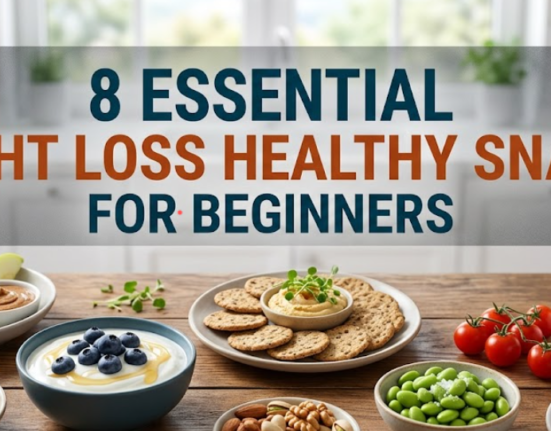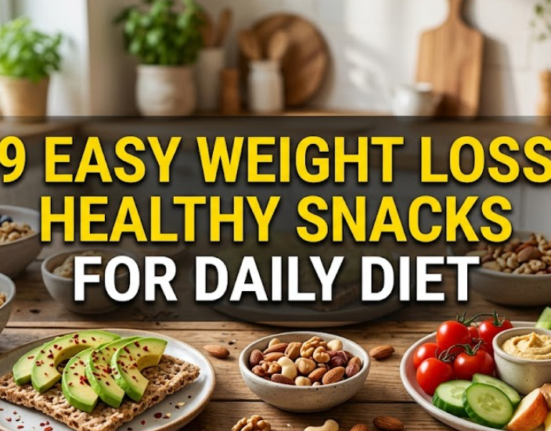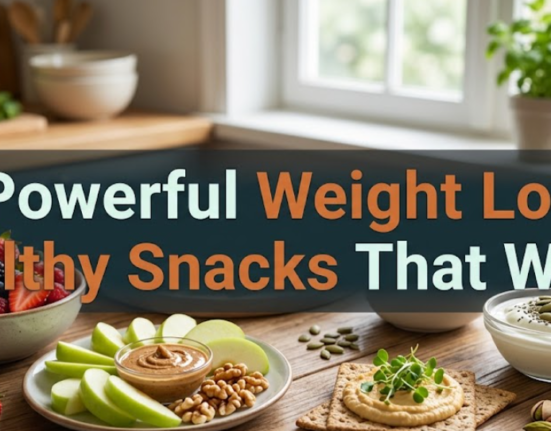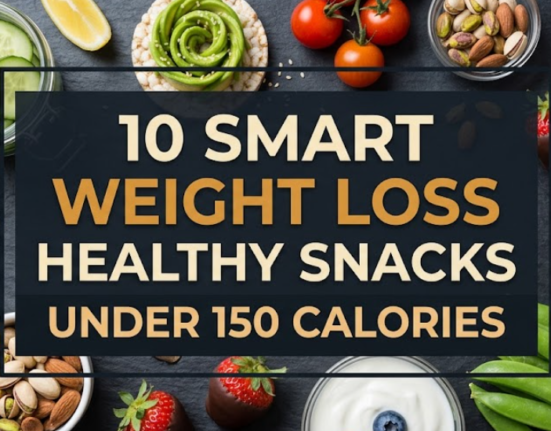
If there’s one thing I’ve learned during my weight loss journey, it’s this: snacks can either quietly sabotage your progress or become your strongest ally. I didn’t realize this at first. Like many people, I thought cutting meals was the fastest way to lose weight. That strategy didn’t last long. Hunger crept in, cravings followed, and before I knew it, I was overeating.
Everything changed when I shifted my focus from “eating less” to “eating smarter.” Instead of eliminating snacks, I began experimenting with healthier options—ones that were filling, nutrient-dense, and satisfying. Over time, I discovered a handful of snacks that not only helped me stay on track but also made the process enjoyable.
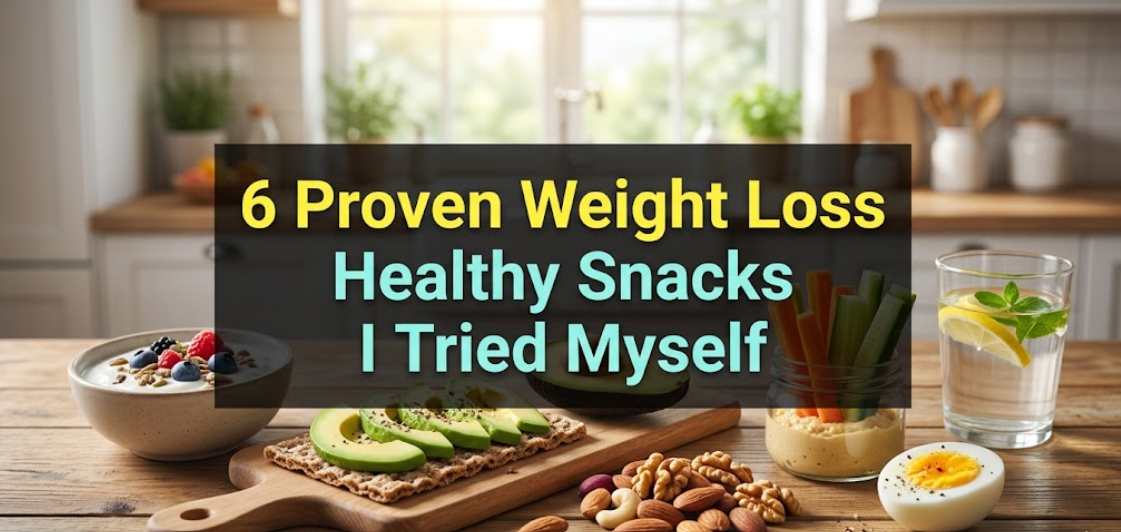
This article is based on real trial and error. I’ll walk you through six healthy snacks that genuinely worked for me, why they helped, and how you can incorporate them into your daily routine.
Why healthy snacks matter in weight loss
Before diving into the snacks themselves, it’s important to understand why they matter. Snacking often gets a bad reputation, but the truth is more nuanced.
When done right, snacks:
- Prevent extreme hunger between meals
- Stabilize blood sugar levels
- Reduce binge eating
- Support metabolism
- Provide essential nutrients
The key lies in choosing snacks that combine protein, fiber, and healthy fats. These nutrients work together to keep you full longer and reduce unnecessary calorie intake later in the day.
Snack #1: Greek yogurt with fruit and seeds
This was the first snack that made a noticeable difference for me. I used to reach for sugary biscuits in the afternoon, but swapping them for Greek yogurt completely changed my energy levels.
What I typically used:
- 1 cup plain Greek yogurt
- A handful of berries (or chopped apple)
- 1 teaspoon chia or flax seeds
Why it worked:
Greek yogurt is high in protein, which helps control hunger. The fruit adds natural sweetness, while seeds provide fiber and healthy fats. Together, this combination kept me satisfied for hours.
Nutritional snapshot:
| Component | Benefit |
|---|---|
| Protein (15–20g) | Reduces hunger hormones |
| Fiber | Improves digestion |
| Probiotics | Supports gut health |
Best time to eat: Mid-morning or afternoon slump
Snack #2: Apple slices with peanut butter
This snack felt more like a treat than a diet food. The crunch of apples combined with the creaminess of peanut butter was incredibly satisfying.
What I used:
- 1 medium apple
- 1 tablespoon natural peanut butter
Why it worked:
Apples are rich in fiber and water, making them filling with low calories. Peanut butter adds healthy fats and protein, which slows digestion and keeps you full longer.
Calorie comparison chart:
| Snack Option | Calories | Fullness Level |
|---|---|---|
| Chips (30g) | ~160 | Low |
| Apple + peanut butter | ~180 | High |
Even though the calories are similar, the fullness factor is drastically different.
Best time to eat: Late afternoon or pre-workout
Snack #3: Boiled eggs with a pinch of salt and pepper
This snack became my go-to when I needed something quick, simple, and effective.
What I used:
- 2 boiled eggs
- A pinch of salt and black pepper
Why it worked:
Eggs are one of the most complete protein sources available. They also contain essential vitamins and healthy fats that help curb appetite.
Protein impact chart:
| Food Item | Protein per serving |
|---|---|
| Boiled eggs (2) | ~12g |
| Bread slice | ~3g |
| Banana | ~1g |
This high protein content helped me avoid overeating during meals.
Best time to eat: Midday or after workouts
Snack #4: Roasted chickpeas
This was my replacement for crunchy junk food like chips. It took a bit of preparation, but it was worth it.
What I used:
- 1 cup boiled chickpeas
- Olive oil, salt, and spices (paprika, cumin)
- Roasted in the oven until crispy
Why it worked:
Chickpeas are high in both protein and fiber, making them extremely filling. The crunch factor also helped satisfy cravings for unhealthy snacks.
Macronutrient breakdown:
| Nutrient | Amount (1 cup roasted) |
|---|---|
| Protein | ~14g |
| Fiber | ~12g |
| Calories | ~200 |
Best time to eat: Evening snack
Snack #5: Cottage cheese with cucumber
This was one of the most refreshing snacks I tried, especially during warmer days.
What I used:
- ½ cup cottage cheese
- Sliced cucumber
- A pinch of salt or herbs
Why it worked:
Cottage cheese is rich in casein protein, which digests slowly and keeps you full. Cucumbers add volume and hydration without many calories.
Hydration + fullness chart:
| Ingredient | Water Content | Calories |
|---|---|---|
| Cucumber | ~95% | Very low |
| Cottage cheese | Moderate | Moderate |
This snack helped reduce late-night cravings significantly.
Best time to eat: Evening or post-dinner craving
Snack #6: Mixed nuts (controlled portion)
At first, I avoided nuts because of their calorie density. But once I learned portion control, they became incredibly useful.
What I used:
- A small handful (about 20–25g) of mixed nuts
Why it worked:
Nuts are rich in healthy fats, protein, and micronutrients. Even a small portion can be very satisfying.
Portion control guide:
| Portion Size | Calories | Recommendation |
|---|---|---|
| 20–25g | ~150 | Ideal snack portion |
| 50g | ~300 | Easy to overeat |
The key lesson here was moderation. When eaten mindfully, nuts helped me stay full without derailing my calorie goals.
Best time to eat: Midday or travel snack
My weekly snack rotation chart
To avoid boredom, I rotated these snacks throughout the week. Here’s a simple structure I followed:
| Day | Snack Option |
|---|---|
| Monday | Greek yogurt bowl |
| Tuesday | Apple + peanut butter |
| Wednesday | Boiled eggs |
| Thursday | Roasted chickpeas |
| Friday | Cottage cheese + cucumber |
| Saturday | Mixed nuts |
| Sunday | Flexible (any favorite) |
This rotation kept things interesting and sustainable.
What I learned from this experience
After consistently using these snacks, a few important lessons stood out:
- Planning matters more than willpower
If healthy snacks are available, you’re less likely to reach for junk. - Protein is your best friend
Almost every successful snack I tried included protein. - Volume helps control hunger
Foods with high water or fiber content made a big difference. - Simplicity wins
Complicated recipes didn’t last. Simple snacks became habits. - Timing is important
Snacking at the right time prevented overeating later.
Common mistakes to avoid
Even healthy snacks can backfire if you’re not careful. Here are some mistakes I made early on:
- Eating straight from large packages
- Ignoring portion sizes
- Choosing “healthy” but highly processed foods
- Snacking out of boredom instead of hunger
Being mindful of these helped me stay consistent.
FAQs
- Can I lose weight while snacking daily?
Yes, as long as your total daily calorie intake is controlled and your snacks are nutritious. Smart snacking can actually support weight loss by preventing overeating. - How many snacks should I eat per day?
Typically 1–2 snacks per day work well. It depends on your meal timing, activity level, and hunger signals. - Are late-night snacks bad for weight loss?
Not necessarily. What matters more is what you eat and your total daily calories. A light, protein-rich snack can even prevent overeating the next day. - Which snack is best for reducing cravings?
High-protein snacks like Greek yogurt or boiled eggs are very effective at reducing cravings. - Can I replace meals with snacks?
It’s not ideal for long-term health. Snacks should complement meals, not replace them entirely. - How do I control portion sizes?
Use small bowls, measure servings initially, and avoid eating directly from large containers. Over time, portion awareness becomes natural.
Final thoughts
Weight loss doesn’t have to feel restrictive or miserable. In fact, the more enjoyable and sustainable your approach is, the more likely you are to stick with it. These six snacks didn’t just help me lose weight—they helped me build better habits.
If you’re struggling with cravings or inconsistent eating patterns, start small. Pick one or two snacks from this list and try them for a week. Pay attention to how your body responds. Over time, you’ll develop your own system that works.
And that’s really the goal—not perfection, but consistency.