Picture this. It’s mid-afternoon. Your stomach is growling. You’ve stuck to your diet so well all day — and suddenly that vending machine down the hall begins calling your name.
This moment right here? It’s where most diets succeed or fail.
The distinction between folks who do well on a diet and those who fail is usually one thing — what they eat for snacks. Not whether they snack. Not how often. Just what.
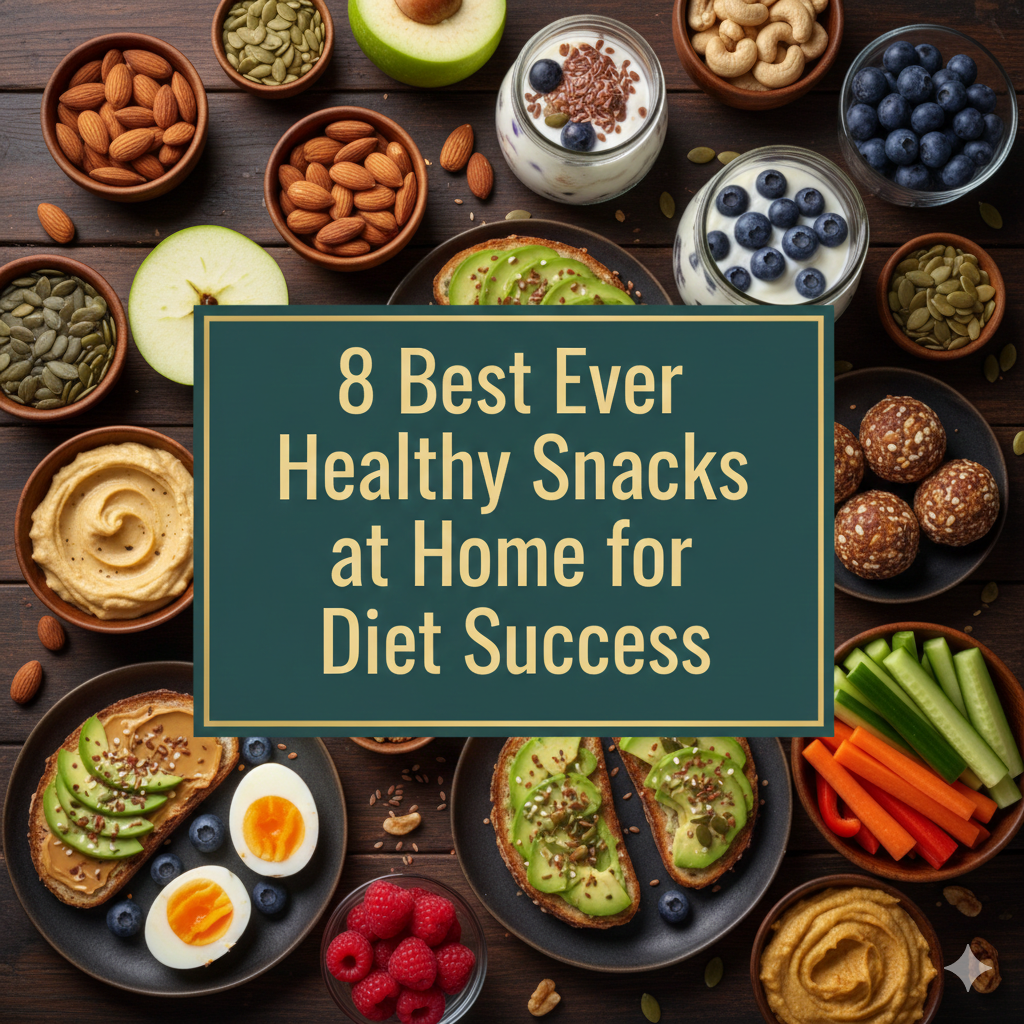
The good news is that your kitchen is closer than that vending machine. And with the proper knowledge, it’s way more powerful as well. These 8 ultimate healthy snacks at home for diet success will make you never think of snacking the same again. They’re real food. They taste good. And the best part is, they actually help your body burn fat, feel full and satisfied after a meal, and keep cravings in check.
Let’s get into it.
What Even Makes a Snack Work for Your Diet?
Before we dive into the list, it’s useful to understand why some snacks work and others don’t.
A snack that serves your diet does three things. For one thing, it will fill you up until your next meal. Second, it doesn’t cause a blood sugar spike that crashes you 20 minutes later. Third, it’s in line with your daily calorie goal and doesn’t blow it.
The majority of packaged snack foods fail on all three counts. They’re crammed with refined carbs, added sugar and other ingredients that make you hungrier than before you ate them. That’s not a snack — that’s bait.
Here’s what the best healthy snacks at home do for successful dieting:
| What to Look For | What to Avoid |
|---|---|
| High protein (10g+ per serving) | High added sugar (8g+ per serving) |
| Decent fiber content (3g+) | Refined flour as the first ingredient |
| Healthy fats (nuts, avocado, olive oil) | Trans or hydrogenated fats |
| Whole food ingredients | Long list of artificial additives |
| Fewer than 250 calories per serving | Empty-calorie fillers |
Consider this your own personal snack cheat sheet. Now on to the good stuff.
1. Peanut Butter on Whole-Grain Toast — The Breakfast Hero That Goes All Day
Never let anyone tell you peanut butter isn’t diet fare. It sure is — when you do it right.
Two tablespoons of natural peanut butter provide roughly 8g of protein and 2g of fiber. Pair that with a slice of whole-grain toast and you get a snack that covers protein, healthy fat and slow-burning complex carbohydrates all at once. That is a winning formula for keeping hunger pangs at bay.
Natural peanut butter is the operative phrase here. Check the label. The ingredient list should read peanuts and maybe a pinch of salt. Nothing else. Many store-bought peanut butters are laden with added sugar and hydrogenated oils that cancel out the health benefits entirely.
Why Whole-Grain Toast Is Non-Negotiable
White bread causes a sharp blood sugar spike and then drops it like a rock. That crash is what leads to cravings and you reaching for something more to eat. Whole-grain bread digests slowly, releasing energy gradually and keeping your blood sugar steady for longer.
A slice of whole-grain toast with two tablespoons of natural peanut butter is about 200–220 calories. That’s a proper snack — not a dieter’s punishment.
- Calories: 200–220 per serving
- Protein: ~9–10g
- Fiber: ~3–4g
- Prep time: 2 minutes
2. Lemon-Spiced Chickpeas — The Snack You Didn’t Know You Needed
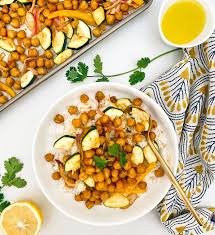
Chickpeas are possibly the most underrated diet food on the planet.
A cup of boiled chickpeas contains roughly 15 grams of protein and 12 grams of fiber. That is a lot of satiety packed into one cup. The fiber in chickpeas is particularly special — it feeds the good bacteria in your gut, which researchers are now linking to a more efficient metabolism and less fat storage.
Spiced chickpeas can be made in less than 10 minutes. Drain a can of chickpeas, rinse them thoroughly and sauté them with olive oil, cumin, garlic powder and paprika — plus a good squeeze of fresh lemon. Cook for 5–7 minutes or until lightly golden. That’s your snack.
The Gut Health Issue No One Is Talking About
Your gut bacteria can surprisingly influence how much you weigh. A healthy gut microbiome can improve how effectively your body processes food, decrease inflammation and even affect hunger hormones. Chickpeas, being rich in prebiotic fiber, are great for your gut.
This is one of the healthy snacks at home for diet success that does so much more than just fill you up. It is, in fact, working with your body’s biology.
- Calories: ~180 per serving
- Protein: ~10g
- Fiber: ~8g
- Prep time: 7–10 minutes
3. Sliced Bell Peppers with Cream Cheese — Color on Your Plate, Control over Your Diet
Bell peppers are some of the most nutrient-rich, low-calorie vegetables you can eat. A medium red bell pepper has just 37 calories but provides more vitamin C than an orange.
Slice up a bell pepper and serve with 2 tablespoons of light cream cheese for dipping. The cream cheese contributes a little protein and fat, which transforms what would be an ordinary veggie snack into something quite satisfying.
Red, yellow and orange peppers are naturally sweet, which is a smart way to quell a craving for something sweet without resorting to sugar. Green peppers are a little more bitter in flavor, but they’ll certainly work.
The Importance of Vitamin C for Weight Loss
When you think of vitamin C, you probably think of cold-fighting. But it also has a direct function in fat metabolism. Studies at Arizona State University show that people with sufficient levels burned 30% more fat during exercise than those who were deficient. Bell peppers are one of the most concentrated food sources of vitamin C around — and at just 37 calories per pepper, you can enjoy them generously.
- Calories: ~80–100 per serving
- Protein: ~3g
- Fiber: ~2–3g
- Prep time: 3 minutes
4. Overnight Oats with Chia Seeds — Prep Once, Snack Smart All Week
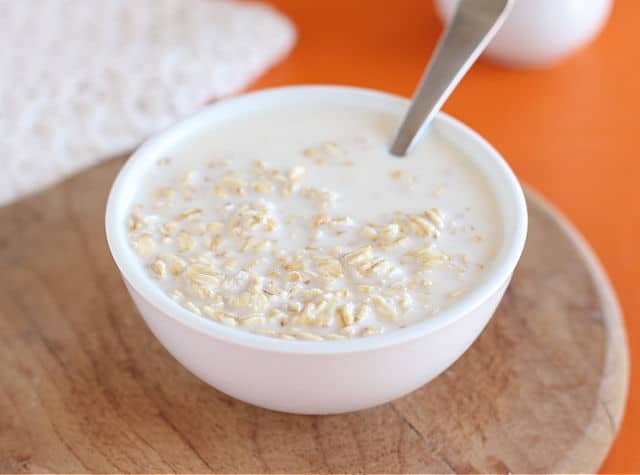
Overnight oats have certainly earned a place in the health and fitness world — and for good reason.
Oats contain beta-glucan, a type of soluble fiber that has been well-researched for its hunger-taming and cholesterol-lowering effects. Beta-glucan forms a thick gel in your digestive system that slows everything down, leaving you full for hours. Add chia seeds to that and you’ve doubled down on the fiber plus given yourself a hefty dose of omega-3 fatty acids.
Combine half a cup of rolled oats with three-quarters of a cup of unsweetened almond milk, a tablespoon of chia seeds and a sprinkle of cinnamon. Mix it up, pour it into a jar and leave it in the refrigerator overnight. In the morning — or whenever you get a craving midday — it’s right there ready to eat cold, straight from the jar.
How to Make Your Overnight Oats Diet-Friendly
The pitfall many people fall into with overnight oats is the toppings. All it takes is a spoonful of honey, some granola and a handful of dried fruit to turn a 200-calorie snack into a 500-calorie sugar bomb.
Keep it clean. Add a couple of fresh berries on top and a shake of cinnamon, or a small spoon of natural nut butter. That’s all you need.
This is one of the most practical healthy snacks at home for diet success because you can make 4–5 jars on a Sunday and have your snacks for the whole week ready to go.
- Calories: ~200–230 per serving
- Protein: ~7–8g
- Fiber: ~7–9g
- Prep time: 5 minutes (night before)
5. Tuna on Cucumber Rounds — High Protein, Next to Zero Carbs
If you’re looking for a snack with practically no carbohydrates and almost pure protein, this is your ticket.
A drained can of tuna in water has approximately 25 grams of protein and about 100 calories. That’s a remarkable protein-to-calorie ratio. Mix it with a little Greek yogurt (rather than calorie-laden mayonnaise), a squeeze of lemon and some black pepper. Then spoon it onto thick slices of cucumber.
The cucumber rounds act as your “crackers.” They deliver crunch, freshness and hydration — with virtually no calories. The entire snack comes together quickly and keeps you feeling satisfied.
Why Tuna Is One of the Best Diet-Friendly Foods
Tuna is packed with lean protein and a nutrient called selenium that supports thyroid function. Your thyroid controls your metabolism. A properly functioning thyroid is essential for efficient calorie burning. Tuna also has omega-3 fatty acids, which are known to calm inflammation — a major player in stubborn weight gain.
One important note: buy tuna in water, not oil. Tuna in oil adds unnecessary calories without any additional nutritional benefit.
- Calories: ~130–150 per serving
- Protein: ~20–22g
- Fiber: ~1g
- Prep time: 5 minutes
6. A Smoothie Done Right — Not the Sugar Bomb Kind
Smoothies are controversial in the dieting world. And honestly, that reputation is earned — for poorly made smoothies.
A smoothie made with fruit juice, banana, mango, honey and yogurt can easily clock in at 500+ calories and 60+ grams of sugar. That’s not a snack. That’s a health candy in disguise.
But when made the right way, a smoothie can provide important nourishment and give you a real leg up on your diet goals. Here’s a formula that works:
The Diet-Friendly Smoothie Formula:
| Component | What to Use | What to Avoid |
|---|---|---|
| Liquid base | Unsweetened almond milk, water | Fruit juice, sweetened milk |
| Protein | Greek yogurt, protein powder | Sweetened yogurt |
| Fruit | Half a cup of frozen berries | Mango, banana, dates |
| Fiber boost | Spinach, flaxseeds, chia seeds | Granola, oats in large amounts |
| Sweetener | Nothing, or tiny pinch of stevia | Honey, maple syrup, agave |
Blend it all together and you have a thick, creamy, genuinely filling snack under 200 calories.
The Protein Rule for Smoothies
If you’re sipping on a smoothie as a snack, aim for at least 15 grams of protein. A smoothie without protein digests too fast and leaves you hungry an hour later. Mix in Greek yogurt or a scoop of unflavored or vanilla protein powder to hit that number.
- Calories: ~180–210 per serving
- Protein: ~15–18g
- Fiber: ~4–6g
- Prep time: 5 minutes
7. Rice Cakes with Smashed Avocado and Tomato — Light, but Surprisingly Satisfying
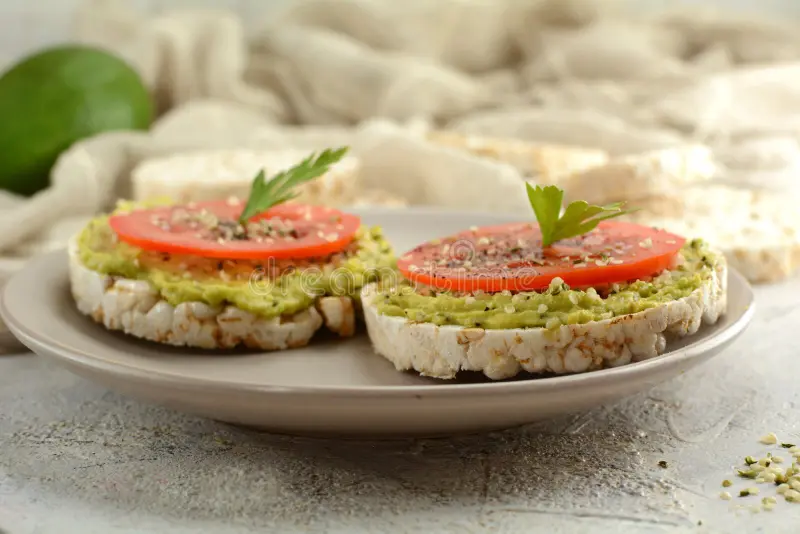
Rice cakes have been the punchline of diet jokes for decades — and for much of that time, the reputation was deserved. Plain rice cakes taste like cardboard.
But here’s the thing. A plain rice cake is a blank slate. Top it with mashed avocado and fresh tomato and you’ve got yourself one of the most satisfying healthy snacks at home for diet success.
Two plain rice cakes are just around 70 calories. Top with a quarter of a mashed avocado (about 60 calories) and a few slices of fresh tomato (nearly zero calories). Finish with a dusting of sea salt and red pepper flakes. The result is creamy, crunchy, fresh and actually filling — about 150 calories in all.
Fat That Fights Fat: The Avocado Advantage
Avocados are a good source of oleic acid, a monounsaturated fat that has been found to reduce visceral fat — the kind that surrounds your organs and is particularly dangerous for your health. They’re also a good source of potassium, which counteracts sodium’s bloating effects. At nearly 7 grams of fiber per half avocado, they are very filling for their calorie count.
Don’t fear the fat in avocado. It’s the kind your body actually needs.
- Calories: ~140–160 per serving
- Protein: ~2–3g
- Fiber: ~4–5g
- Prep time: 4 minutes
8. Dark Chocolate with a Handful of Almonds — The Guilt-Free Snack That’s Actually Good for You
Yes. Dark chocolate is on this list. And no, this isn’t a cheat.
Real dark chocolate — 70% cocoa or higher — is genuinely good for you in moderation. It’s packed with flavonoids, plant compounds that improve blood flow, reduce inflammation and have been linked to better insulin sensitivity. Improved insulin sensitivity means your body is more effective at using carbohydrates for energy rather than storing them as fat.
One ounce of 70%+ dark chocolate is around 170 calories and contains magnesium, iron and antioxidants. Pairing it with a small handful (10–12) of almonds adds up to a snack that delivers healthy fat, some protein and fiber — with enough treat factor that you won’t find yourself rummaging through the cookie jar an hour later.
The Mental Trick to Giving Yourself a Treat
Strict deprivation diets that ban all pleasure foods have a very low long-term success rate. The moment you decree a food is completely off-limits, it becomes more appealing. Allowing yourself a small, genuinely nutritious indulgence like dark chocolate and almonds satisfies cravings without derailing your progress.
This snack works best in the afternoon or evening when the craving for something sweet tends to peak.
- Calories: ~250–270 per serving
- Protein: ~5–6g
- Fiber: ~4–5g
- Prep time: 0 minutes
Your 8 Snacks: Side-by-Side Snapshot
| Snack | Calories | Protein | Fiber | Best Time to Eat |
|---|---|---|---|---|
| Peanut Butter on Whole-Grain Toast | 210 | ~10g | ~4g | Morning or afternoon |
| Lemon-Spiced Chickpeas | 180 | ~10g | ~8g | Afternoon |
| Bell Peppers with Cream Cheese | 90 | ~3g | ~3g | Any time |
| Overnight Oats with Chia Seeds | 215 | ~8g | ~8g | Morning or afternoon |
| Tuna on Cucumber Rounds | 140 | ~21g | ~1g | Lunch or afternoon |
| Diet-Friendly Smoothie | 195 | ~16g | ~5g | Morning or post-workout |
| Rice Cakes with Avocado & Tomato | 150 | ~2g | ~4g | Afternoon or evening |
| Dark Chocolate & Almonds | 260 | ~6g | ~4g | Afternoon or evening |
The 5 Habits That Supercharge These Snacks
Choosing the right snacks is the first step. But how you snack is just as important as what you’re snacking on. These five habits will multiply your results.
Time your snacks strategically. Don’t snack randomly. Think of your snacks as bridges between meals — for example, mid-morning and mid-afternoon. This avoids extreme hunger and binge eating at mealtimes.
Always plate your snack. Never eat from a bag or container. Transfer your snack to a plate or bowl. This one small action helps you be more mindful of what and how much you’re eating.
Eat protein first. If your snack contains both protein and carbs, consume the protein first. This slows carb absorption and decreases the blood sugar spike.
Wait 20 minutes before having more. Your brain can take about 20 minutes to detect that your stomach is full. If you’re tempted to have more when you finish your snack, wait. The urge usually passes.
Prep in batches. Spend 20–30 minutes on the weekend making snacks for the week ahead. Portion out nuts, boil eggs, prepare overnight oat jars and wash and chop vegetables. When healthy food is ready to grab, you’ll actually grab it.
6 Myths About Diet Snacking Worth Burying Right Now
There’s a lot of bad advice out there about snacking and dieting. Let’s clear a few things up.
Myth: Fat will make you fat. Wrong. Healthy fats from avocado, nuts, olive oil and fatty fish are critical for hormone production, brain health and — significantly — feeling full. They help you eat less overall.
Myth: You can’t eat fruit on a diet due to its sugar content. Also wrong. The fiber in whole fruit slows the absorption of sugar dramatically. Whole fruit is not the same as fruit juice or added sugar. It’s a whole food that comes with vitamins, fiber and water included.
Myth: Snacking will always cause weight gain. Only if you’re eating the wrong things or consistently taking in more than your body needs. Smart snacking on nutrient-dense foods can stave off hunger and actually contribute to weight loss.
Myth: Snacking should only be reserved for when you’re genuinely hungry. This one is complicated. If you’re using snacks strategically as a bridge between meals to keep blood sugar levels steady, you might snack before hunger has reached a fever pitch. That’s not mindless eating — it’s strategic planning.
FAQs: Healthy Snacks at Home for Diet Success
Q: How many snacks should I have per day while dieting? Most people do best with 1–2 planned snacks per day. The goal is to stave off extreme hunger between meals, not to graze from dawn till dusk. With properly timed meals and appropriate portion sizes, you shouldn’t need more than two.
Q: Are these snacks suitable if I’m not following a specific diet? Absolutely. These snacks are built on whole, nutrient-dense foods that benefit anyone — whether you’re on a calorie-counting plan, eating low-carb, or simply trying to eat a little healthier.
Q: I get really hungry at night. What’s the best snack from this list for that? Tuna on cucumber rounds or a small portion of cottage cheese work nicely late at night. They’re rich in slow-digesting protein, low in carbs and won’t spike blood sugar before bed.
Q: Are these snacks suitable for someone with diabetes? Most of these snacks — including the tuna cucumber rounds, bell peppers with cream cheese, boiled chickpeas and the diet-friendly smoothie — are great blood sugar-friendly options. However, everyone’s needs are different, and you should always consult a doctor or registered dietitian for personalized guidance.
Q: How do I stop craving junk food snacks? Crowding out, not cutting out, is the most effective strategy. When you fill your body with satisfying, nutrient-rich foods, cravings diminish on their own. The dark chocolate and almonds snack on this list is specifically designed to satisfy both sweet and salty cravings in a healthy way.
Q: Can children eat these snacks too? Yes — most of these snacks are kid-friendly. Whole-grain toast with peanut butter, smoothies, rice cakes with avocado and bell peppers with cream cheese are especially popular with children. Do be mindful of nut allergies, and adjust portion sizes for younger kids.
Q: How long will these snacks keep me full? A well-constructed snack with decent protein and fiber should keep most people satisfied for 2–3 hours. Snacks like overnight oats, tuna cucumber rounds and chickpeas — which are especially high in protein or fiber — tend to keep you full on the longer end of that range.
Wrapping It All Up
Dieting doesn’t have to equal deprivation. It’s not about choking down flavorless food and wishing the clock would hurry up until your next meal. It means making smarter choices — consistently, over time.
These 8 ultimate healthy snacks at home for diet success give you a real toolkit. From the satisfying creaminess of peanut butter on whole-grain toast to the protein punch of tuna on cucumber rounds to the indulgent but guilt-free combination of dark chocolate and almonds — there is something on this list for every craving, every schedule and every approach to eating.
Start this week. Pick two or three snacks from the list and give them a try. Notice how your energy level changes throughout the day. See if you feel less hungry around mealtimes. Watch what happens to those late-afternoon cravings when you’re actually feeding your body what it needs.
Small, consistent changes add up to big, lasting results. And it all begins with what you grab when that hunger pang strikes at 3 PM.
Make it something from this list. Your diet success depends on it.