When people hear “clean eating,” they often believe you have to eat nothing but lettuce.
No more snacks. No more flavor. Just sad, sad chicken and stupid salads.
That’s not true at all.
Clean eating is really just about choosing real, whole foods over highly processed ones. And as for snacking, there are actually a whole host of tasty options — not fewer choices.
All of the snacks below are things you can prepare yourself at home. No weird ingredients. No hour-long prep time. Just good, solid real food — the stuff your body actually knows what to do with and uses for fuel.
Whether you’re new to eating clean or a seasoned pro, these 10 healthy snacks at home for clean eaters deliver tasty variety and will cater to every craving day by day.
What Clean Eating Means (In Simple Terms)
Let’s get this straightened out before we dive into the snacks.
Clean eating does not mean eating as little as possible. It doesn’t mean eliminating entire food groups. And it certainly does not mean adhering to some elaborate celebrity diet.
Clean eating simply means:
- Opting for clean and whole food items
- Steering clear of heavily processed foods that contain long ingredient lists
- Consuming more whole grains, fruits, vegetables, lean proteins and healthy fats
- Limiting added sugars, artificial ingredients and preservatives
That’s it. Simple, right?
When you eat this way, snacking becomes a good thing — because it means you’ll feel better, have more consistent energy, and be less likely to reach for junk food later.
The Real Reason Why Snacking Is So Good for Clean Eaters
For some, snacking is the enemy. But done right, it’s actually one of your most powerful weapons.
Here’s why:
Smart snacks maintain stable blood sugar levels all day. When your blood sugar levels plummet, you become tired, edgy, and eager to devour whatever’s in front of you — usually something sugary and processed.
A strategic clean snack will prevent that crash altogether.
It also helps prevent overeating at mealtime. When you’re ravenously hungry at dinner, it’s easy to eat too quickly and too much. Snacking in between meals keeps you calm and controls your appetite.
The trick is to have snacks that provide real nutrition — such as protein, fiber or healthy fats — and are not just empty calories.
How to Stock Your Kitchen for Clean Snacking
Before you can snack clean, you need the right stuff on hand.
Here’s a simple checklist of pantry and fridge staples that will make clean snacking simple:
| Category | What to Keep on Hand |
|---|---|
| Fruits | Apples, bananas, berries, grapes, oranges |
| Vegetables | Carrots, celery, cucumber, cherry tomatoes, bell peppers |
| Protein | Eggs, Greek yogurt, cottage cheese, canned tuna |
| Nuts & Seeds | Almonds, walnuts, sunflower seeds, chia seeds |
| Whole Grains | Rice cakes, oats, whole grain crackers |
| Healthy Fats | Avocado, natural nut butters, olive oil |
| Extras | Hummus, salsa, dark chocolate (70%+), honey |
When you have these things in your kitchen, clean snacking becomes automatic. When you don’t, you tend to reach for whatever is most convenient — and that’s typically not the cleanest option.
For even more ideas on what to keep stocked and ready, Healthy Snacks at Home is a great resource with simple, wholesome snack inspiration you can browse any time.
The 10 Essential Healthy Snacks at Home for Clean Eating
Snack #1 — Sliced Veggies With Homemade Hummus
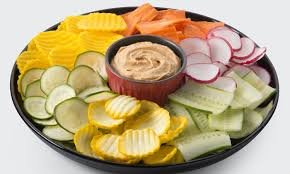
There’s no snack more in line with clean eating than this one.
Vegetables — carrots, cucumbers, colored bell peppers and celery — all contribute healthy fiber as well as vitamins and minerals. And homemade hummus — prepared with chickpeas, olive oil, lemon and garlic — is as clean as it gets.
Two tablespoons of hummus provides you with plant-based protein and healthy fat. The vegetables provide crunch, color and substance. Together, they hit every note a clean snack should hit.
Why it’s a clean eating win: No added sugar. No artificial ingredients. Just whole vegetables and a legume-based dip.
How to make it: Slice your favorite raw vegetables into sticks or rounds. Process one can of chickpeas with 2 tablespoons of tahini, the juice of one lemon, one garlic clove and a drizzle of olive oil. Season with salt. Refrigerate and use all week.
Pro Tip: Prepare a large batch of hummus on Sunday and keep in an airtight container. It stays fresh in the refrigerator for up to five days.
Snack #2 — Apple Slices With Natural Almond Butter
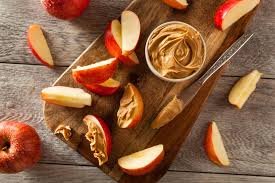
Sweet, crunchy, creamy — in short, this snack is a delight to eat.
Apples are one of the cleanest fruits you can consume. They boast high fiber, particularly pectin, which feeds good gut bacteria. One medium apple contains about 4 grams of fiber and barely 95 calories.
Add a tablespoon of natural almond butter — the kind that’s just almonds and maybe some salt — and you have something that feels like a real snack but is balanced in carbs, healthy fat and even a bit of protein.
Why it’s a clean eating win: Whole fruit and minimally processed nut butter. Nothing artificial. Nothing added.
How to make it: Core and cut one apple into slices. Serve with 1 tablespoon of natural almond butter. That’s the whole recipe.
Watch out for: Almond butter brands that pack in hydrogenated oils, palm oil or added sugar. Always check the ingredient list. It should say “almonds” and nothing more.
Snack #3 — Hard-Boiled Eggs With Everything Bagel Seasoning
Eggs are among the most complete, nutrient-dense foods on the planet.
One large egg provides 6 grams of high-quality protein, healthy fats, vitamin D, B12 and choline — all for just 70 calories. And they’re clean, whole and unprocessed.
Sprinkle a hard-boiled egg with everything bagel seasoning — sesame seeds, poppy seeds, dried garlic, dried onion, salt — and you’ve turned a basic snack into something genuinely enjoyable.
Why it’s a clean eating win: One-ingredient main food. Minimal seasoning. Maximum nutrition.
How to make it: Boil eggs for 10–12 minutes. Cool, peel and halve. Sprinkle with everything bagel seasoning or just sea salt and cracked black pepper.
Meal Prep Tip: Hard-boil 6–8 eggs on Sunday for use throughout the week. Store them unpeeled in the refrigerator. They keep for up to 7 days and are ready to grab whenever hunger strikes.
Snack #4 — Fresh Berry Greek Yogurt Parfait
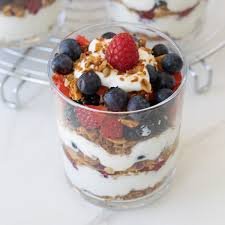
This one looks fancy. It takes about three minutes to prepare.
Plain Greek yogurt is a clean eating powerhouse. A 5-ounce serving has roughly 12–15 grams of protein, live probiotic cultures for gut health, and not much sugar if you opt for the unsweetened variety.
Top it with a few spoonfuls of fresh or frozen berries — blueberries, strawberries or raspberries — and you add antioxidants, natural sweetness and fiber with no added sugar.
Why it’s a clean eating win: Protein from whole foods, paired with antioxidant-rich fruit. No sweetened granola or artificial flavoring needed.
How to make it: Scoop 5 oz of plain Greek yogurt into a bowl or jar. Add a handful of fresh berries. Top with a teaspoon of chia seeds or a drizzle of raw honey if desired.
| Layer | Clean Eating Benefit |
|---|---|
| Greek yogurt | Protein + probiotics |
| Fresh berries | Antioxidants + fiber |
| Chia seeds (optional) | Omega-3s + extra fiber |
| Raw honey (optional) | Natural sweetener |
Snack #5 — Rice Cake With Avocado and Sea Salt
Rice cakes get a bad reputation for being boring. But that’s largely because most people eat them plain.
Top a plain rice cake with mashed avocado and a sprinkle of flaky sea salt, and everything changes. Avocado is one of the best sources of monounsaturated fat — the kind that’s good for your heart and keeps you full.
This snack is light, satisfying and takes less than two minutes to put together.
Why it’s a clean eating win: Whole grain base, healthy fat topping, zero processed ingredients.
How to make it: Mash a quarter of a ripe avocado with a fork. Spread onto one plain rice cake. Season with flaky sea salt and a squeeze of lemon juice, and add red pepper flakes if you like.
Calories: Approximately 120–130 (still very clean and worth every one)
Snack #6 — Cottage Cheese With Sliced Cucumber and Dill
Cottage cheese is one of those clean eating foods that doesn’t get nearly enough credit.
Low-fat cottage cheese is chock-full of casein protein — a slow-digesting type that keeps you full for hours. A half-cup serving generally has about 14 grams of protein for between 80–90 calories.
Top that with sliced cucumber for crunch and fresh dill for flavor, and you’ve got a savory, refreshing snack that tastes like something straight from a little café.
Why it’s a clean eating win: High protein, low sugar, minimally processed dairy combined with water-rich vegetables.
How to make it: Scoop 1/2 cup of low-fat cottage cheese into a bowl. Top with sliced cucumber rounds. Sprinkle with fresh or dried dill and a pinch of black pepper.
Snack #7 — Banana With a Square of Dark Chocolate
Clean eating doesn’t mean giving up chocolate forever.
Dark chocolate — 70% cacao or higher — is actually a remarkably clean food when consumed in small amounts. It contains antioxidants called flavonoids that support heart health, and has far less added sugar than milk chocolate.
Combine one small banana with one or two squares of dark chocolate and you have a snack that satisfies your sweet craving the clean way.
Why it’s a clean eating win: Whole fruit paired with minimally processed dark chocolate that actually has some nutritional value.
How to make it: Peel and slice one small banana. Eat alongside 1–2 squares (about 10–15g) of high-quality dark chocolate (70% or higher).
Label Check: Look for dark chocolate where the first ingredient is “cacao” or “cocoa mass” — not sugar. A shorter ingredient list means a cleaner chocolate.
Snack #8 — Homemade Trail Mix With Nuts, Seeds and Dried Fruit
Store-bought trail mix is frequently packed with candy pieces, added sugar and artificial flavors. Homemade trail mix takes five minutes to put together and is infinitely superior.
The key is to get the ratio right: mostly nuts and seeds, just a little bit of dried fruit, and maybe some dark chocolate chips for fun.
Nuts supply protein and healthy fat. Seeds add fiber and micronutrients. Dried fruit provides natural sweetness and a shot of quick energy. It’s a complete clean snack in a handful.
Why it’s a clean eating win: You control every single ingredient. No hidden sugar, no artificial colors, no mystery additives.
Clean Trail Mix Formula:
| Ingredient | Amount | Role |
|---|---|---|
| Almonds or walnuts | 2 tablespoons | Protein + healthy fat |
| Sunflower or pumpkin seeds | 1 tablespoon | Fiber + minerals |
| Unsweetened dried cranberries | 1 tablespoon | Natural sweetness |
| Dark chocolate chips | 1 teaspoon | Flavor + antioxidants |
Mix and store in a small jar. Divide into snack bags for the week.
Snack #9 — Whole Grain Crackers With Tuna and Lemon
This snack means business.
Canned tuna is one of the cleanest, most affordable sources of protein available. A 3-ounce serving provides roughly 20 grams of protein, omega-3 fatty acids and B vitamins — all for about 100 calories.
Spread it on a few whole grain crackers with a squeeze of lemon and a crack of black pepper, and you have something that feels more like a mini meal than just a snack. According to the American Heart Association, eating fish like tuna at least twice a week is one of the best habits you can build for long-term heart health.
Why it’s a clean eating win: Lean animal protein plus whole grains. No fillers, no heavy sauces, nothing processed.
How to make it: Drain one small can of tuna packed in water. Mix with a squeeze of lemon juice and black pepper. Spoon onto 4–5 whole grain crackers.
Optional extras: A thin slice of cucumber on top, a dab of Dijon mustard or a couple of capers for added flavor — all clean.
Snack #10 — Frozen Mango Chunks Straight From the Freezer
Sometimes the simplest snack is the cleanest one.
Frozen mango requires zero preparation. Purchase a bag of frozen mango chunks (ingredient list: mango), grab a small handful and let it sit out to thaw for around five minutes. The result is cold, sweet, almost sorbet-like — and 100% clean.
Mango contains plenty of vitamin C, folate and fiber. It satisfies a very sweet tooth using only natural fruit sugar — no syrups, no additives, no packaging full of words you can’t pronounce.
Why it’s a clean eating win: One single ingredient. That’s it.
Calories: Approximately 70–80 per one-cup serving
How to make it: Remove 1 cup of frozen mango chunks from the freezer. Let sit for 5 minutes. Serve as-is or sprinkle on a little lime juice for extra brightness.
How to Have Fresh Clean Snacks All Day — A Simple Schedule
Timing matters just as much as what you eat. Here’s how to include clean snacking in your day without overthinking it.
| Time of Day | Best Clean Snack Choice | Why |
|---|---|---|
| Mid-morning (10–11 AM) | Apple + almond butter or Greek yogurt | Keeps you satisfied until lunch |
| Early afternoon (2–3 PM) | Veggies + hummus or hard-boiled egg | Pre-emptive strike on the 4 PM slump |
| Pre-workout | Banana + dark chocolate | Quickly digested natural energy |
| Post-workout | Cottage cheese or tuna crackers | Protein for muscle recovery |
| Evening (if still hungry) | Frozen mango or Greek yogurt | Light, real food that’s easy to digest |
5 Clean Rules to Snack By
Clean eating doesn’t require a rulebook. But a few simple guidelines go a long way.
1. Read the ingredient list, not just the nutrition label. A food can appear healthy on the nutrition label but contain 15 artificial ingredients. The truth is in the ingredient list. Short lists are virtually always better.
2. Whole food first, packaged food second. Where it’s possible to eat the food in its original form — a piece of fruit, a handful of nuts, a boiled egg — that is almost always the cleanest option.
3. Cook or prep in batches. Hummus on Sunday. Boiled eggs Monday morning. Washed and chopped veggies every other day. When clean food is ready, you eat clean food.
4. Don’t moralize your food. Clean eating isn’t about being perfect. It’s about making better decisions more frequently. A bag of chips doesn’t negate a week of clean snacking.
5. Stay hydrated. Dehydration often feels like hunger. Before snacking, drink a full glass of water and wait 10 minutes. Still hungry? Then eat.
FAQs About Healthy Snacks at Home for Clean Eating
Q: What’s the difference between a clean snack and a plain old healthy one? Great question. A “healthy” snack could still contain artificial sweeteners or highly processed ingredients — just in smaller amounts. A “clean” snack takes it a step further by focusing on whole, minimally processed foods with nothing artificial. Think: a banana versus a banana-flavored granola bar.
Q: Can I do clean eating snacks on a tight budget? Absolutely. Eggs, canned tuna, frozen fruit, oats and seasonal vegetables are some of the cheapest foods available. Clean eating doesn’t call for expensive superfoods. It just takes smart decisions at any grocery store.
Q: How many snacks should I eat in a day while eating clean? Most people do well with one or two snacks a day — one in the mid-morning and one mid-afternoon. Learn to eat when you’re genuinely hungry as opposed to when the clock says it’s time. If you’re truly not hungry, you don’t have to snack.
Q: Are store-bought snacks ever acceptable for clean eating? Yes, with some label reading. Look for products made with five or fewer recognizable ingredients, no artificial colors or flavors and no high-fructose corn syrup. Some packaged foods — like plain rice cakes, plain Greek yogurt and canned tuna — are clean by any reasonable definition of the term.
Q: Can kids eat clean snacks too? Definitely. A good chunk of these snacks are kid-friendly — namely the apple with almond butter, the Greek yogurt parfait, frozen mango and the trail mix. Clean eating is a great habit to build early.
Q: What if I hate vegetables? Can I still eat clean? Yes. Start with the vegetables you tolerate best and pair them with dips like hummus to make it more enjoyable. Taste preferences do change over time — especially as you start to cut back on heavily processed products that have retrained your palate to expect extra salt and sugar.
Q: Is clean eating just another diet? No. A diet typically comes with a start date, an end date and a list of forbidden foods. Clean eating is more of an ongoing way of life. It’s not about being perfect — it’s about eating real food most of the time.
The Bottom Line
Clean eating doesn’t require perfection. It doesn’t need fancy ingredients or a professional kitchen.
It only takes a bit of intention.
These 10 healthy snacks at home for clean eating are proof that truly nutritious food can also be convenient, delicious and genuinely satisfying. Every single one is made from ingredients you can actually name. They all power your body rather than merely filling it.
Begin with one snack from this list. Make it today. See how it feels.
Then add another tomorrow.
That’s how clean eating actually happens — one manageable, real-food decision at a time. And soon those choices don’t feel like work anymore. They just feel like how you eat.
Your kitchen is ready. So are you.