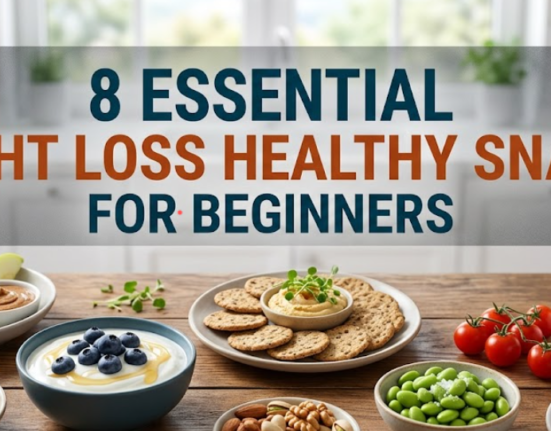
Let’s be real. One of parents’ oldest battles is getting kids to eat healthful food.
You sit them down in front of a plate of vegetables, and all of a sudden, they are “not hungry.” But you crack open a bag of chips? They appear out of nowhere.
The good news is that healthy snacks at home don’t have to taste like cardboard. When you have the right pairings, you can make snacks that are both healthy and legitimately delectable. And they will have no idea that they are eating something healthy.
This post offers 8 easy, kid-friendly snack ideas you can make with basic ingredients. Every one comes together fast, is easy on the wallet, and full of the nutrients that growing kids need.
Let’s get into it.
Snacking: It’s More Important Than You Think
Kids have small stomachs. They cannot always consume enough at a meal to keep them going throughout the day. That’s where snacks come in.
Smart snacking helps kids:
- Maintain their energy level, even around meals
- Keep focused at school or while doing homework
- Get extra vitamins and minerals they need at mealtime
- Avoid overeating at dinner because they’re “starved”
The issue is that most packaged snacks are full of sugar, salt, and artificial stuff. When children consume those regularly, they have a surge of energy and then a crash. They become moody, unfocused, and even hungrier.
Healthy snacks at home fix that. You control what goes in. You are in complete control when it comes to what your kids are eating.
What Counts as a “Healthy” Snack — and What to Look For
Before we get to the recipes, let’s briefly discuss what a good snack is made of.
A balanced snack usually has at least two of these three things:
| Component | Why It Matters | Examples |
|---|---|---|
| Protein | Keeps kids full longer, helps muscle growth | Eggs, cheese, yogurt, nut butter |
| Healthy Fats | Fuels brain development and focus | Avocado, nuts, seeds |
| Complex Carbs | Provides steady energy without a sugar crash | Whole grain crackers, oats, fruit |
Fiber is also a bonus. It aids digestion and makes snacks more filling.
A snack that hits at least two of these? That’s a winner.
Snack #1: Apple and Peanut Butter Slices
This one’s a classic for good reason.
It’s sweet, creamy, crunchy, and comes together in less than 5 minutes. Kids love it. Parents love it. It’s even rare for people not to like it.
Why It Works
Apples add fiber and natural sweetness. Peanut butter is a good source of protein and healthy fat. Together, they make a snack that fills kids up for once rather than leaving them hungry again in 20 minutes.
How to Make It
- Cut 1 apple into wedges or rounds
- Spread or dip in all-natural peanut butter (look for the kind with just peanuts and salt)
- Optional: add a dusting of cinnamon on top
Allergy note: If your child is allergic to nuts, replace peanut butter with sunflower seed butter. It is just as good and delicious.
Fun Twist
Make it into “ants on a log” by smearing peanut butter into celery sticks and topping with raisins. Kids love assembling it themselves.
Snack #2: Yogurt Parfait Cups
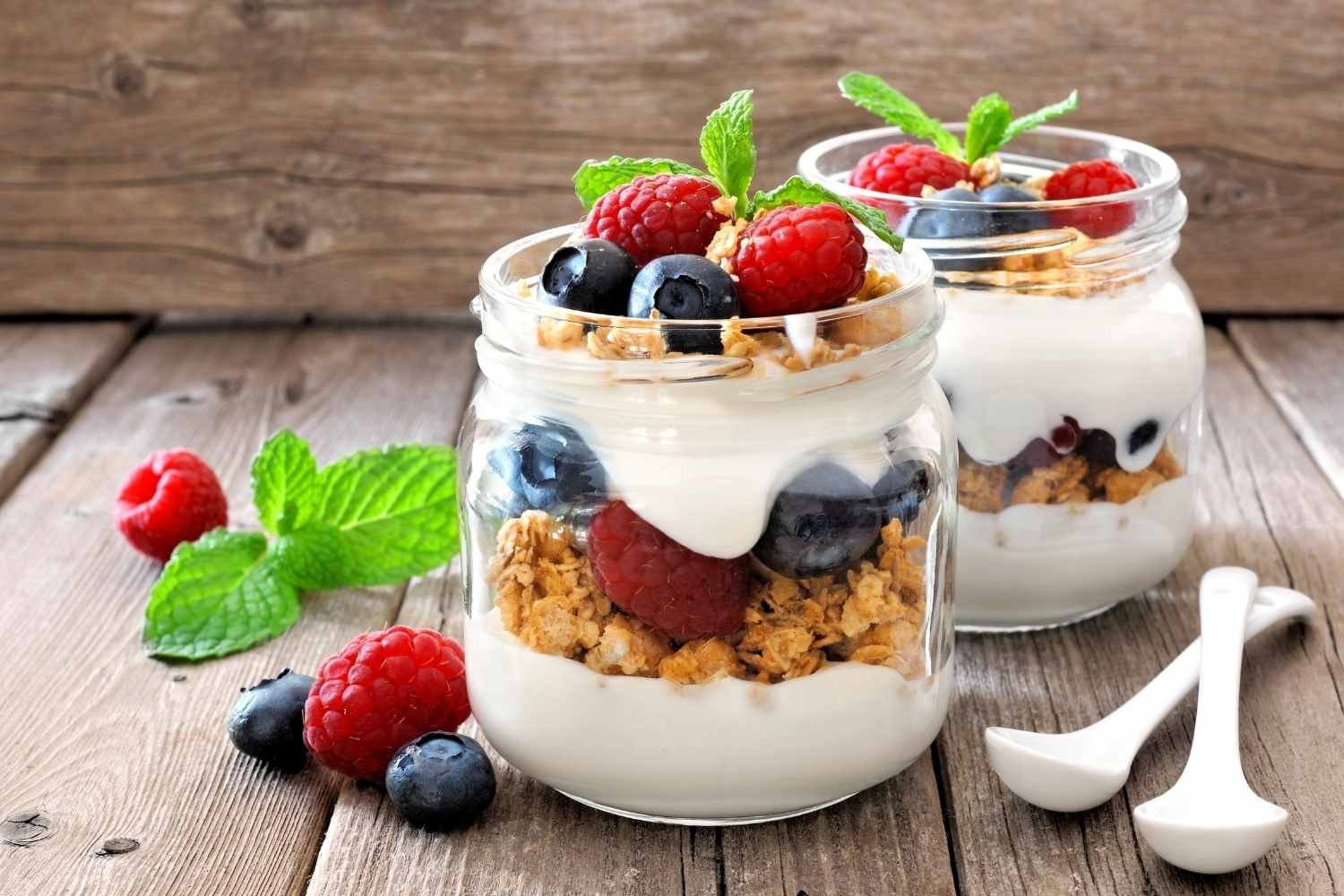
Yogurt parfaits look fancy. But they’re one of the easiest healthy snacks at home you can make.
And when kids are able to make their own? There’s so much more enthusiasm about eating it.
Why It Works
Greek yogurt is full of protein and probiotics, which are the good bacteria that aid digestion. Include fruit for vitamins and granola for crunch, and you have a well-balanced snack that’s almost like dessert.
How to Make It
- Begin with a cup or bowl of plain or vanilla Greek yogurt
- Top with fresh or frozen (thawed) berries — strawberries, blueberries, and raspberries are all great choices
- Sprinkle a small handful of granola or crushed whole grain cereal on top
- Add a little drizzle of honey, if desired
Pro tip: Keep toppings in small bowls and create a “parfait station.” Let kids layer their own. They’ll eat it every time.
Nutrition Snapshot
| Ingredient | Key Nutrient |
|---|---|
| Greek yogurt | Protein, calcium |
| Berries | Vitamin C, antioxidants |
| Granola | Fiber, complex carbs |
| Honey (tiny drizzle) | Natural sweetener |
Snack #3: Veggie Sticks + Hummus
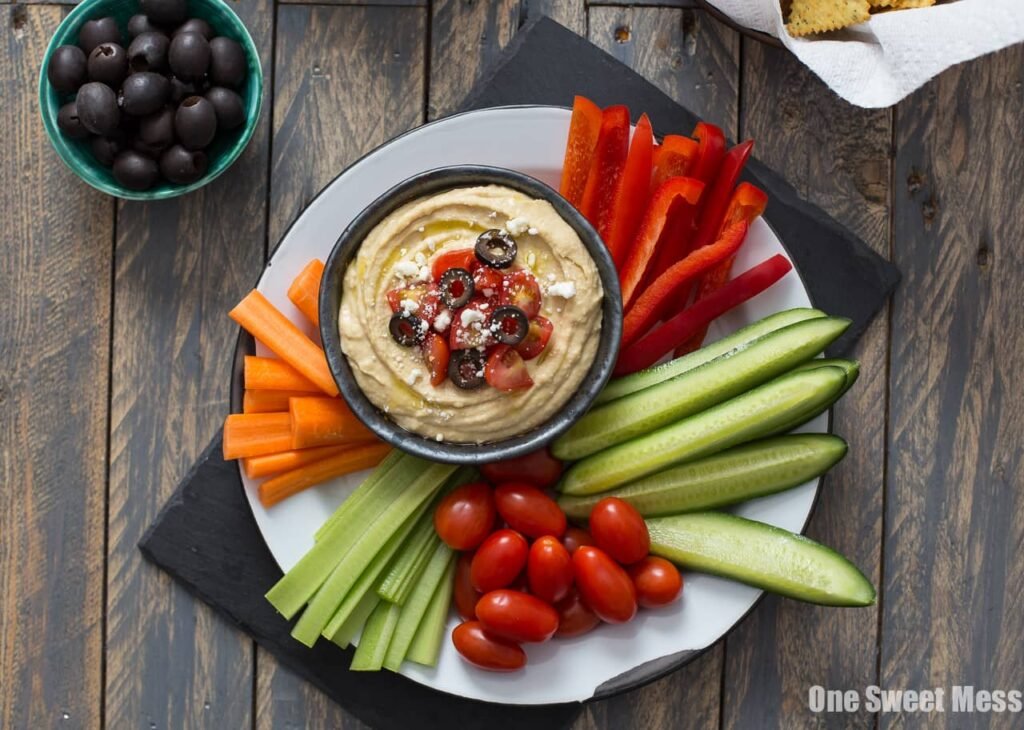
Here’s a trick to get your kids to eat vegetables: give them something fun to dip it in.
Hummus is smooth, mild, and a little savory. It makes raw veggies so much more appealing, even for the pickiest eaters.
Why It Works
Hummus is made from chickpeas, which are full of protein and fiber. Veggies add vitamins, minerals, and color. This combo is filling, refreshing, and actually good for growing kids.
Best Veggie Picks for Kids
- Carrots (naturally sweet and accessible for little hands)
- Cucumber slices (cool and mild)
- Strips of bell peppers (sweet, colorful, and crunchy)
- Celery sticks
- Snap peas
How to Make It
- Cut veggies into kid-friendly sticks or slices
- Serve alongside store-bought hummus or make your own by blending chickpeas, olive oil, lemon juice, and garlic together
Presentation tip: Arrange the veggies in a rainbow across your plate. Children eat with their eyes. A colorful plate is so much more fun than the same old pile of carrots.
Snack #4: Banana “Ice Cream”
Two ingredients. Zero added sugar. Tastes like actual ice cream.
This one reads like it’s too good to be true, but it is completely real. Frozen blended bananas turn into a silky soft-serve texture that kids absolutely love.
Why It Works
Bananas are naturally sweet and packed with potassium, which aids muscle function and energy. When you freeze and blend them, the texture is completely transformed. It’s smooth, thick, and dessert-like.
How to Make It
- Peel 2 ripe bananas (the riper, the sweeter)
- Slice them and freeze for at least 2 hours or overnight
- Blend the frozen slices until creamy — it takes about 2–3 minutes
- For soft serve, eat right away; for a firmer texture, freeze 30 more minutes
Mix-In Ideas
- Cocoa powder for chocolate banana ice cream
- Peanut butter for a peanut butter banana version
- Frozen mango chunks for a tropical twist
- A handful of strawberries for a fruity swirl
This is one of those nutritious healthy snacks at home that kids will ask for constantly. And you won’t feel bad for saying yes.
Snack #5: Whole Grain Crackers with Cheese
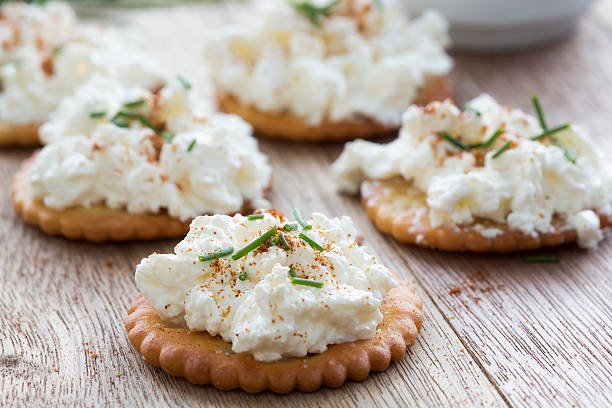
Simple. Quick. Satisfying.
There’s a reason why crackers and cheese is such a go-to snack. It’s portable, easy to prep, and most kids already love cheese.
Why It Works
Cheese is an excellent source of calcium and protein. Whole grain crackers add fiber and slow-digesting carbs. Combined, they help maintain stable energy levels and keep hunger at bay.
How to Make It
- Opt for whole grain or whole wheat crackers (make sure you see “whole grain” listed first on the ingredient label)
- Serve with thin slices of cheddar, a portion of string cheese, or cubes of mozzarella
- Toss in a couple of grapes or cherry tomatoes on the side for color and extra nutrition
Cheese Options Kids Usually Love
| Cheese Type | Flavor | Best For |
|---|---|---|
| Cheddar | Mild to sharp | Slices, cubes |
| Mozzarella | Mild, creamy | String cheese sticks |
| Colby Jack | Mild, slightly sweet | Stick pieces |
| Cream cheese | Soft, spreadable | Spread on crackers |
Bonus idea: Allow children to make mini cracker “sandwiches” with cheese layered in the middle. Turning snack prep into a mini activity makes them more interested in eating it.
Snack #6: Mini Egg Muffins
Those little egg cups are proof that healthy snacks at home can be prepped in advance.
Whip up a batch on Sunday and keep them in the fridge, and you’ll have grab-and-go snacks for the whole week.
Why It Works
Eggs are among the most nutrient-dense foods available. They’re packed with protein, healthy fats, and vitamins like B12 and D. Mini egg muffins are filling, portable, and endlessly customizable.
How to Make Them
Ingredients (makes 12 mini muffins):
- 6 eggs
- ¼ cup milk
- Salt and pepper to taste
- Mix-ins of your choosing (see below)
Instructions:
- Preheat oven to 350°F (175°C)
- Grease a mini muffin tin
- Beat eggs and milk together with a pinch of salt and pepper
- Add your mix-ins to each muffin cup
- Pour egg mixture over, filling ¾ full
- Bake for 12–15 minutes until set and lightly golden
Kid-Friendly Mix-In Ideas
- Shredded cheese and diced bell peppers
- Cooked crumbled turkey sausage and cheddar
- Spinach and mozzarella
- Diced ham and Swiss cheese
Store in an airtight container in the refrigerator for up to 5 days. Pop in the microwave for 20–30 seconds when ready to eat.
Snack #7: Ants on a Log (Reimagined)
This is a new-school take on a childhood classic.
The original version is celery, peanut butter, and raisins. But there are a ton of fun variations you can create based on what your kids enjoy.
Why It Works
Celery contributes crunch and hydration — it’s essentially water. Peanut butter or any nut/seed butter offers protein and healthy fat. The toppings add sweetness and make it visually fun.
Children love making this snack on their own. It’s one of those interactive healthy snacks at home that also happens to be a mini activity.
How to Make Classic Ants on a Log
- Rinse and cut celery stalks into 4-inch lengths
- Fill the indentation with peanut butter
- Line raisins along the top
Creative Variations to Try
| Variation | Filling | Toppings |
|---|---|---|
| Tropical Log | Coconut yogurt | Dried mango bits |
| Chocolate Log | Chocolate nut butter | Mini chocolate chips |
| Berry Log | Almond butter | Dried cranberries |
| Savory Log | Cream cheese | Everything bagel seasoning |
| Sun Butter Log | Sunflower seed butter | Granola clusters |
Provide the options and let kids mix and match. They eat more when they feel like they made it themselves.
Snack #8: Frozen Fruit Popsicles
Popsicles are the best on a hot day. And when you make them at home, they’re pretty much just frozen fruit.
This is one of the easiest and most loved healthy snacks at home, especially in spring and summer.
Why It Works
Fruit is full of natural sweetness, vitamins, and antioxidants. You blend it and freeze it, and you’ve got a treat that kids think is dessert but is really just fruit — and maybe some yogurt or juice.
Basic Mango Yogurt Popsicle Recipe
Ingredients:
- 1 cup frozen mango chunks
- ½ cup plain or vanilla yogurt
- 2 tablespoons orange juice or water
Instructions:
- Blend all ingredients until smooth
- Pour into popsicle molds
- Insert the sticks and freeze for at least 4 hours
- Run warm water on the outside of the mold to release
More Flavor Combos to Try
- Strawberry banana: blend 1 cup strawberries + 1 banana + a splash of apple juice
- Watermelon lime: blend 2 cups watermelon + juice of one lime
- Blueberry coconut: blend 1 cup blueberries + ½ cup coconut milk + a drizzle of honey
- Green power: blend spinach, pineapple, banana, and a splash of orange juice (the color is fun, and they’ll never taste the spinach)
No popsicle molds? Use small paper cups and popsicle sticks. Works perfectly.
All 8 Snacks at a Glance — Quick Comparison
| Snack | Prep Time | Main Nutrients | Kid Appeal |
|---|---|---|---|
| Apple + Peanut Butter | 5 mins | Fiber, protein, healthy fat | ⭐⭐⭐⭐⭐ |
| Yogurt Parfait | 5 mins | Protein, calcium, antioxidants | ⭐⭐⭐⭐⭐ |
| Veggie Sticks + Hummus | 10 mins | Fiber, protein, vitamins | ⭐⭐⭐⭐ |
| Banana Ice Cream | 5 mins + freeze | Potassium, natural sugar | ⭐⭐⭐⭐⭐ |
| Crackers + Cheese | 3 mins | Calcium, protein, complex carbs | ⭐⭐⭐⭐⭐ |
| Mini Egg Muffins | 20 mins (batch) | Protein, B vitamins, healthy fat | ⭐⭐⭐⭐ |
| Ants on a Log | 5 mins | Protein, fiber, healthy fat | ⭐⭐⭐⭐⭐ |
| Frozen Fruit Popsicles | 10 mins + freeze | Vitamins, antioxidants | ⭐⭐⭐⭐⭐ |
Tips to Make Healthy Snacking a Real Habit
Great snacks are one part of the equation. Getting children to actually eat them on a regular basis is another matter altogether.
Here are some ideas that actually work:
Set a snack schedule. Kids do better with routine. If they know snack time is at 3:30 PM, they’re less likely to graze all day or beg for junk before dinner.
Let kids help. Even preschoolers can rinse strawberries, spoon yogurt into cups, or dip veggies in hummus. When they’re involved, they’re invested. They are much more likely to eat something they had a hand in making.
Keep healthy snacks visible. Set a bowl of fruit on the counter. Keep prepped veggies at eye level in the refrigerator. Kids grab what they see first. If chips are out of sight and apples are front and center, they’ll take the apple.
Don’t label food as “healthy.” As soon as you call something the “healthy snack,” some kids do not want it. Just present it as food. Let the taste do the talking.
Offer choice, not ultimatums. Instead of “eat this,” try “do you want apple with peanut butter or yogurt with berries?” Kids who feel in control are more cooperative.
For more kid-friendly snack inspiration and ideas your whole family will love, visit Healthy Snacks at Home — a great resource dedicated to making nutritious eating easy and fun for kids.
FAQs About Healthy Snacks at Home for Kids
Q: How many snacks should children have a day? Most kids benefit from a total of 1–2 snacks per day, depending on their age and activity level. Toddlers (ages 2–5) may need snacks between every meal. Older children perhaps only one after school. Read their hunger cues instead of imposing a rigid schedule.
Q: My child refuses vegetables. Any tips? Keep offering them without pressure. Studies repeatedly suggest that kids need to be presented with a new food 10–15 times before accepting it. When veggies are paired with something they already love — think hummus or cheese — it can make them more appealing. Change the form too. Raw carrots are very different from roasted carrots. Be patient.
Q: Is it ever okay to buy a packaged snack? Absolutely. The goal isn’t perfection. Some packaged options are perfectly fine. Look for snacks with fewer ingredients, no artificial dyes, and a small amount of sugar — fewer than 8 grams per serving is a decent benchmark. Homemade is best, but convenience also counts.
Q: What if my child has a food allergy? Every snack on this list can be modified. Nut allergies? Use sunflower seed butter or pumpkin seed butter in place of peanut butter. Dairy-free? Try coconut yogurt or skip the cheese and add more hummus. The general framework still works. According to Food Allergy Research & Education (FARE), simple substitutions can make nearly any snack safe and enjoyable for kids with allergies.
Q: How do I keep snacks fresh if I make them in advance? Most prepped snacks keep well in airtight containers in the refrigerator. Sliced apples may brown fairly quickly — sprinkle them with a bit of lemon juice to slow the browning. Egg muffins last up to 5 days. Veggie sticks stay crispest when stored in water (like flowers in a vase) in the fridge for 3–4 days.
Q: Can toddlers enjoy these snacks too? Most of these work wonderfully for toddlers with a few modifications. Chop everything into tiny pieces to prevent choking. Skip hard raw veggies for very young toddlers — steam them lightly instead. Avoid honey for babies younger than 12 months.
Wrapping It Up
Healthy snacks at home do not have to be complicated, expensive, or time-consuming.
The 8 snacks in this article prove exactly that. Apple slices with peanut butter, frozen banana ice cream, mini egg muffins, colorful yogurt parfaits — these are real foods enjoyed by real kids. And each one is ready in 20 minutes or less.
The goal isn’t to be perfect. It is about making small, consistent choices that add up over time. Swap the chips for crackers and cheese. Blend some frozen bananas instead of reaching for the ice cream tub. Serve veggie sticks before dinner, not after.
Do that a couple of times a week, and you’ll notice a real difference in your kids — their energy levels, mood, and eating habits.
Start with one snack from this list. See how your kids respond. Then try another. You might be surprised at how quickly it becomes a regular part of your family’s routine.