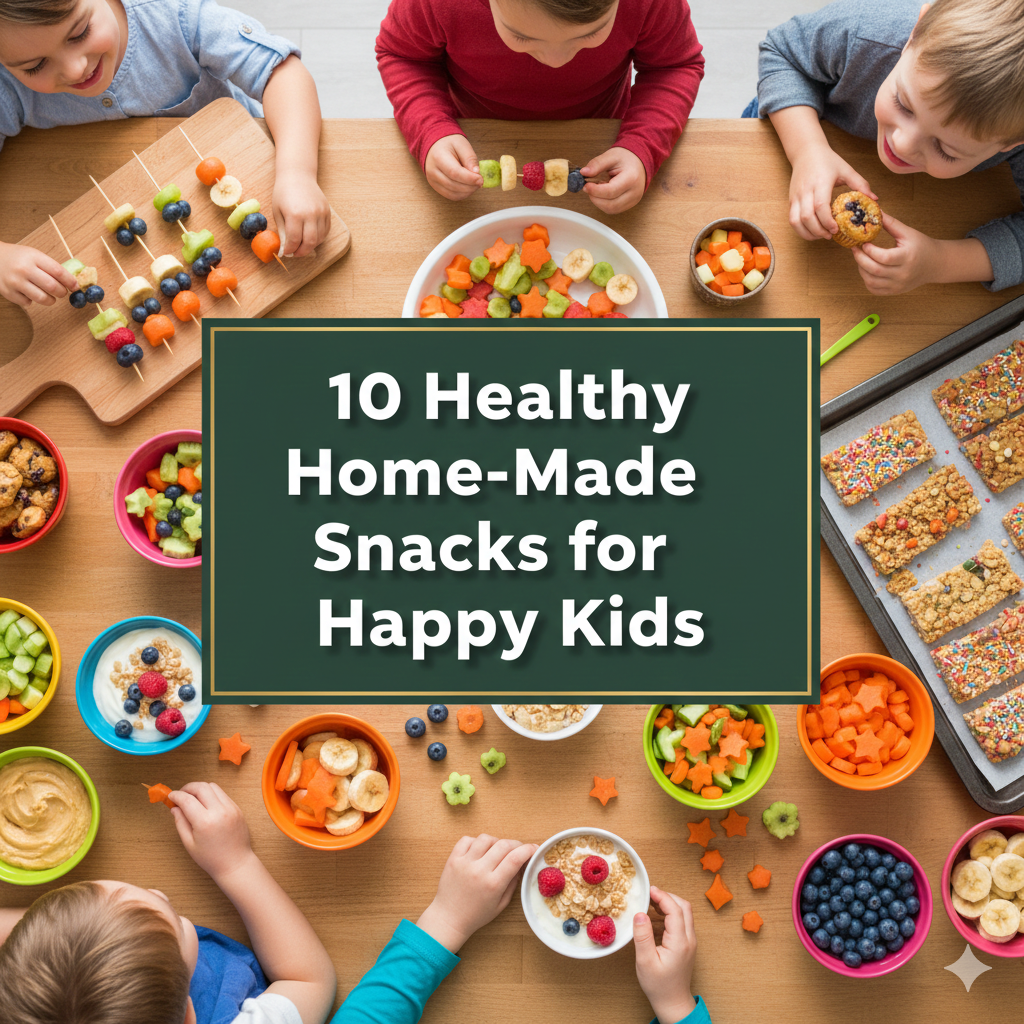
It can feel like a battle to get kids to eat healthy. They want chips. They want candy. They want whatever is in that loud, crinkly bag.
However, the good news is — healthy cravings can be just as exciting. When food is fun-looking and delicious-tasting, kids don’t have to know it’s good for them.
This post will take you through 10 healthy snack ideas kids love and we hope will help make your health journey easier. No matter if you’re a parent, a babysitter, or the big sibling in charge of snack time, there’s something in here that will work.
Let’s get into it.
Why Snacks Really Matter for Kids
Kids have small stomachs. They burn energy fast. They need fuel between meals — and what that fuel consists of makes a big difference.
You’ll just get a sugar high and crash. That’s when you end up seeing the meltdowns, the mood swings, and “I can’t focus” moments. Healthy snacks, however, keep energy levels on an even keel and support growing brains and bodies.
Children require a mix of protein, healthy fats, fiber, vitamins, and minerals throughout the day, according to the American Academy of Pediatrics. It does a number on snacks.
The key is making good food seem like a reward. And that’s precisely what these 10 ideas do.
What Is It That Makes a Snack Fun AND Healthy?
But before we hop right into the list, it’s good to know what you should look for in a good snack for kids.
| Feature | Why It Matters |
|---|---|
| Colorful | Kids eat with their eyes first |
| Simple ingredients | Easier to digest and recognize |
| Some protein or fiber | Keeps kids full longer |
| Low added sugar | Bypasses energy crashes |
| Easy to eat | Doesn’t create a mess or frustration |
| Entertaining shapes or textures | Makes snack time more exciting |
Keep this in mind as you select and choose between ideas from this list.
1. Ants on a Log (Sort of)
You never get tired of this classic — and it’s so simple.
What You Need
- Celery sticks
- Peanut butter or sunflower seed butter (for nut-free families)
- Raisins, chocolate chips, or dried cranberries
How to Make It
Rinse celery and trim down into 3–4 inch sticks. Fill the middle groove with peanut butter. Arrange raisins or other toppings on top.
Done. It takes about three minutes.
Why Kids Love It
It’s like a little nature scene. Kids can make their own “logs.” It’s crunchy and creamy and sweet, all at the same time — a texture combination that is tough to improve on.
Nutrition Boost
Celery gives hydration and fiber. Peanut butter contributes protein and good fats. Raisins provide a bit of iron and natural sweetness. Between them, this snack is actually pretty balanced.
2. Rainbow Fruit Skewers
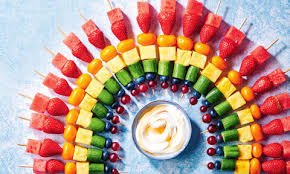
Presentation is everything. Put fruit on a stick and suddenly it’s exciting.
Building the Rainbow
Choose fruits that span the rainbow:
- Red – Strawberries or watermelon
- Orange – Mandarin slices or cantaloupe
- Yellow – Chunks of pineapple or mango
- Green – Green grapes or kiwi
- Purple/Blue – Blueberries or purple grapes
Skewer them on wooden skewers in rainbow order. As a dipping sauce, offer a small bowl of vanilla Greek yogurt on the side.
Why This Works So Well
Kids love the visual. They also seem to really enjoy having “their own” skewer. It makes snack time an activity. And because they’re serving themselves, the children are more likely to eat.
Nutritional Highlights
Fruit is full of vitamins C and A, antioxidants, and fiber. Greek yogurt contributes calcium and protein. This combination is good for immune health, digestion, and growing strong bones.
3. Mini Whole Wheat English Muffin Pizzas
Pizza for a snack? Yes — when it’s well done, definitely.
What You Need
- Whole wheat English muffins
- Tomato or pizza sauce (low sugar)
- Shredded mozzarella cheese
- Toppings: mini pepperoni, bell peppers, mushrooms, and olives
The Build
Split the muffin in half. Spread a thin layer of sauce. Add cheese and toppings. Pop into a toaster oven at 375°F for about 5–7 minutes until the cheese bubbles.
Making It Fun
Allow kids to add their own toppings. Set out small bowls of various toppings and let them make their own “pizza masterpiece.” This kind of hands-on involvement makes kids so much more inclined to eat things they made.
Why It’s a Smart Snack Choice
Whole wheat offers complex carbs and fiber. Tomato sauce is famously high in the antioxidant lycopene. Cheese adds calcium and protein. Add veggies and you have a snack that hits many food groups in one bite.
4. Apple Slices With Fun Dips
An apple a day keeps the doctor away — especially when there’s dip involved.
Dip Options to Try
| Dip | Flavor Profile | Primary Nutrient Benefit |
|---|---|---|
| Peanut butter | Rich, nutty | Protein, healthy fats |
| Honey Greek yogurt | Sweet, creamy | Calcium, probiotics |
| Almond butter | Mild, smooth | Vitamin E, magnesium |
| Cream cheese + cinnamon | Tangy, warm | Calcium, flavor boost |
Making It Extra Fun
Cut apples into star or heart shapes using a cookie cutter. Dust with a pinch of cinnamon. Place around a central dip bowl on a plate to serve.
Why Kids Want This Again and Again
Apples are naturally sweet. The crunch is satisfying. And dipping is fun — there’s just something about dunking food that kids really enjoy. It gives kids agency over how much dip they take, and they appreciate that more than adults realize.
5. Veggie Faces on Hummus Toast
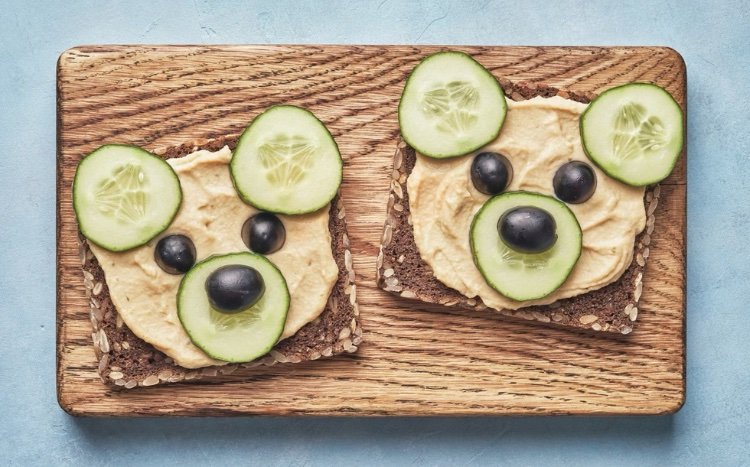
This one is as much about art as it is about eating.
The Base
Toast one piece of whole grain bread. Spread generously with hummus. That’s your “canvas.”
Building the Face
Set out little bowls of veggies and let kids decorate:
- Eyes – Blueberries, sliced olives, or cucumber rounds
- Nose – A cherry tomato or small piece of carrot
- Mouth – Red pepper strips curved into a smile
- Hair – Grated carrot or corn
- Ears – Celery half-moons
Why This Makes Kids Eat Veggies
When children make their food look like something — a face, an animal, a scene — they become emotionally engaged with it. And they’re not keen to waste their “artwork.” So they eat it. That’s sneaky in the best possible sense.
Nutrition Rundown
Whole grain bread gives you fiber and B vitamins. Hummus is made primarily from chickpeas, providing plant-based protein and iron. The veggies heap on vitamins A, C, and K. This is one of the most nutrient-packed fun healthy snacks at home you can throw together for your kids.
6. Frozen Yogurt Bark With Berries
This one looks like it came from a super upscale café. It did not. It came from your freezer.
How to Make It
- Line a sheet pan with parchment paper.
- Spread 2 cups of plain or vanilla Greek yogurt into a thin, even layer.
- Top with fresh berries, banana slices, granola, and a drizzle of honey.
- Freeze for at least 3 hours.
- Break into pieces and serve right away.
Storage Tip
Store pieces in an airtight freezer bag. They keep for a week — though they never last that long.
Why Kids Go Crazy for This
It looks like dessert. It tastes like dessert. But it’s really just yogurt and fruit. Win-win for everyone. It’s a summer classic, but you can do it year-round.
What’s Inside Nutritionally
Greek yogurt provides protein and probiotics. Berries offer antioxidants. Granola adds crunch and a little fiber. Honey imparts a natural sweetness without the guilt of processed sugar.
7. Cheese and Whole Grain Cracker Stacks
Simple. Fast. Satisfying. This snack is a classic for a reason.
Building the Stack
Start with whole grain crackers as the base. Top with a slice of mild cheddar, colby jack, or mozzarella cheese. Add a cucumber round or grape on top. Stack it up. Eat it whole or piece by piece.
Making It a Game
Challenge kids to build the tallest cracker tower without dropping it. Or allow them to arrange cheese and crackers in various configurations on a plate. Making snack prep into play makes things so much more fun.
The Nutritional Case for This Snack
Whole grain crackers contribute complex carbohydrates and fiber. Cheese contains high amounts of calcium and protein — two things children need a lot of when growing. Put a veggie on top and now you have an entire mini-meal.
8. Smoothie Popsicles (Also Called “Nicecream Pops”)
Frozen treats feel special. These take about 10 minutes to prepare and are pretty much just blended fruit with yogurt.
A Basic Recipe to Start With
- 1 cup frozen mango chunks
- 1 cup frozen strawberries
- ½ cup Greek yogurt
- ½ cup orange juice
Blend until smooth. Pour into popsicle molds. Insert sticks. Freeze overnight. Hold the mold under warm running water to loosen.
Flavor Combinations to Try
| Combo Name | Core Ingredients |
|---|---|
| Tropical Twist | Mango, pineapple, coconut milk |
| Berry Blast | Blueberry, raspberry, banana |
| Green Machine | Spinach, banana, apple juice |
| Peach Dream | Peach, vanilla yogurt, honey |
Why Kids Love Making These
They pick the flavors. They pour the mixture. They feel like they built something real. And when they dig a popsicle out of the freezer the next day, it’s like giving themselves a present.
9. Egg Muffins With Hidden Veggies
These are like savory little cupcakes. Kids love them, not realizing they’ve eaten a full serving of vegetables.
What You Need (Makes 12 Mini Muffins)
- 6 eggs
- ¼ cup milk
- ½ cup shredded cheese
- ½ cup finely chopped vegetables (spinach, bell pepper, zucchini all work well)
- Salt and pepper to taste
- Optional: mini turkey sausage pieces
Steps
- Preheat oven to 350°F.
- In a bowl, whisk together eggs and milk.
- Stir in cheese, vegetables, and any add-ins.
- Pour the mixture into a greased mini muffin tin.
- Bake for 18–20 minutes or until firm.
Let cool slightly before serving. Refrigerate leftovers for up to 4 days.
Why These Are a Weekday Game-Changer
Make a big batch on Sunday. Use them all week. They are high in protein, easy to take on the go, and stand up nicely in lunchboxes. These are hands-down among the most practical fun healthy snacks at home for busy families.
10. DIY Trail Mix Bar
This one is less a recipe and more of an experience.
Set Up the Station
Set out small bowls of various mix-ins:
- Crunchy stuff: Pretzels, whole grain cereal, rice cakes, popcorn
- Protein stuff: Almonds, cashews, sunflower seeds, pumpkin seeds
- Sweet stuff: Dark chocolate chips, dried mango, raisins, dried cranberries
- Extras: Coconut flakes, a few mini marshmallows, cinnamon granola
Give each kid a small bag or cup and have them build their own trail mix.
Why This Approach Works
Autonomy is important to kids. When they select their food, they are much more likely to eat it and enjoy it. It’s also a lesson in balance — a little of each is more satisfying than too much of any one thing.
Portion Guide for Trail Mix
| Age Group | Serving Size |
|---|---|
| Ages 3–5 | ¼ cup |
| Ages 6–9 | ⅓ cup |
| Ages 10–13 | ½ cup |
| Ages 14+ | ½–¾ cup |
Quick Snack Tips for Busy Parents
Making healthy snacks consistently requires a little strategy. Here’s what actually helps:
Prep in batches. Wash and chop fruit and veggies at the beginning of the week. Keep in clear containers on eye-level shelves in the fridge where kids can easily reach them.
Keep it visible. A bowl of fruit on the counter gets reached for much more than fruit hidden in a drawer. Same goes for cut veggies — if they’re out and ready, they get eaten.
Let kids help. Even toddlers can wash berries, peel bananas, or help stir a smoothie. The more invested they are, the more interested they get in what they’re eating.
Rotate options. Provide at least two or three different snack options instead of always giving the same thing. Variety is what keeps kids from getting bored and sneaking over to the chip cabinet.
Snack Timing: When Should Kids Eat Between Meals?
According to Harvard Health, keeping added sugar low throughout the day — including snack time — plays a big role in maintaining steady energy levels and overall wellbeing for kids.
| Time of Day | Best Snack Types |
|---|---|
| Mid-morning (around 10am) | Light, fruit-based or dairy-based |
| Afternoon (around 3pm) | More substantial, protein + fiber combo |
| After school | High-energy, complex carbs + protein |
| Before bed (if needed) | Smaller, easy to digest — banana or crackers |
Spacing snacks about 2–3 hours before or after meals works best. It regulates appetite and keeps children from filling up on snacks right before dinner.
FAQs About Healthy Snacks for Kids at Home
Q: How many snacks is it okay for a kid to have per day? For most kids, one to two snacks a day works well, depending on their age and how active they are. Younger toddlers and kids may need smaller snacks more often, while older kids can usually go longer without eating.
Q: What if my child won’t eat a healthy snack? Start slow. Pair a new food with something familiar they already like. Don’t push — just keep offering. Studies suggest kids may need to be exposed to a food 10–15 times before they accept it.
Q: Is it ever okay to give a store-bought snack? Absolutely. Look for options with short ingredient lists, whole grains, low added sugar, and some protein or fiber. An occasional store-bought snack is not an issue. It’s the pattern over time that counts.
Q: Can these snacks work for kids with allergies? Many of these snacks are really easy to adapt. Use sunflower seed butter in place of peanut butter. Use dairy-free yogurt. Skip nuts and use seeds instead. The principles are the same — you just tweak the ingredients.
Q: What are the best snacks for picky eaters? Begin with foods that have a mild taste and familiar texture. Apple slices, mild cheese on crackers, and plain yogurt with a small drizzle of honey are all good starting points. Very slowly incorporate color and variety.
Q: How do I keep healthy snacks from getting boring? Change the presentation. The same apple tastes more interesting when it’s sliced into stars, served alongside a new dip, or eaten next to something crunchy. Shuffle the combinations and let kids take turns choosing the snack.
Wrapping It All Up
Healthy snacking doesn’t need to involve dull food that kids sigh and soldier through. The 10 fun healthy snacks at home detailed in this article are here to remind you that good-for-you can also be delicious, creative, and something you’d happily come back for seconds of.
The secret ingredient in every single one of them? Involvement. When kids help with their snacks — even just a bit — they eat better, complain less, and build a lifetime of habits around real food.
Start with one or two ideas from this list. Notice which ones connect with your kids. Build from there. Pretty soon, snack time may just become the best part of the day — for them and for you.