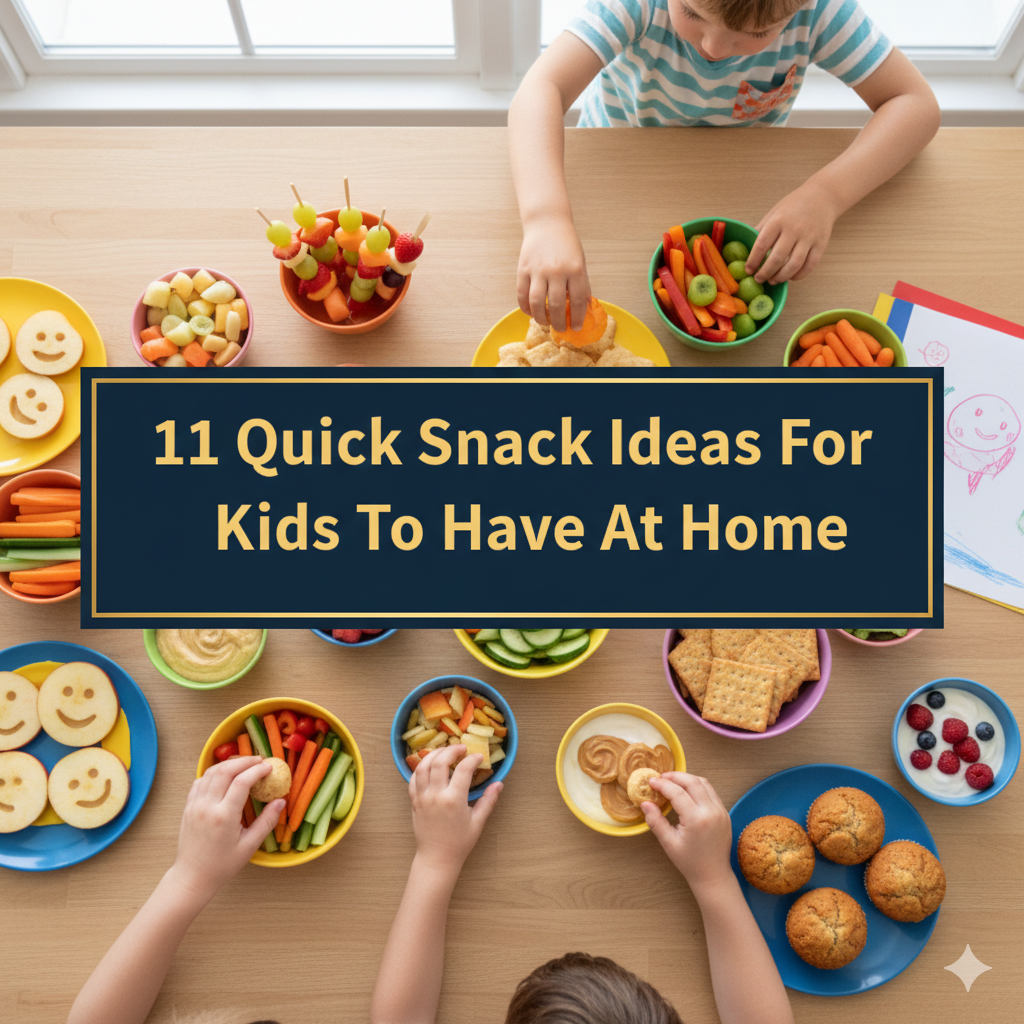
Kids are always hungry. Never mind if they’ve just eaten lunch — give it an hour or two, and they’re in the kitchen looking for something to eat. Sound familiar?
The problem isn’t the hunger. Kids who are still growing need to eat frequently. Their bodies and brains are growing rapidly, and they consume energy at a ravenous pace. The real problem is what eventually ends up in their hands — deep-fried potatoes, sugary drinks, and processed snacks that fill them for 20 minutes before energy crashes.
The good news? Whipping up quick, nutritious snacks at home needn’t be a big to-do. The vast majority of the ideas here will take less than 10 minutes. Some take under 2. You also don’t need fancy ingredients or cooking skills. All it takes is a bit of planning and some good ideas.
This guide offers you 11 of the best snack ideas that are both quick and delicious, with the nutrients growing kids really need. Let’s get into it.
Why Snacking Right Matters for Kids
Before we get to the snacks, let’s consider why this is important.
Children ages 4 through 12 are experiencing a huge growth spurt. Their bones are lengthening, their muscles strengthening, and their brains toiling away — mastering, storing, and making sense of information all day at school.
All of that takes fuel.
When they eat junky snacks, kids consume a quick burst of energy followed by a crash. That crash manifests as irritability, lack of focus, and low energy — not so great for homework or for after-school activities.
When children snack on nutrient-rich foods, they have better focus and steady energy, they’re more likely to be in a good mood, less likely to get upset or irritable, and it can help promote strong growth overall.
Here’s a brief look at what kids need from their snacks:
| Nutrient | Why Kids Need It | Found In |
|---|---|---|
| Protein | Builds muscles, keeps them full | Eggs, cheese, nut butter, yogurt |
| Calcium | Strengthens bones and teeth | Milk, cheese, yogurt |
| Healthy Fats | Brain development, energy | Avocado, nuts, seeds |
| Fiber | Digestion, steady energy | Fruits, vegetables, whole grains |
| Iron | Carries oxygen to the brain | Beans, eggs, fortified cereals |
| Vitamin C | Immune system, iron absorption | Oranges, berries, bell peppers |
Now that you know what to shoot for, here are 11 snacks that meet those criteria — without taking forever.
1. Apple Slices with Peanut Butter
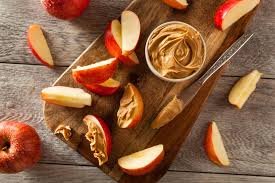
This is a classic for good reason. Apples provide fiber combined with natural sugar to power your little one through the day. Peanut butter gives you protein and good fat to keep them feeling full longer.
How to make it: Slice one apple into thin wedges. Serve with 2 tablespoons of peanut butter for dipping.
Time: 3 minutes.
Tip: If your child is allergic to nuts, sunflower seed butter makes a good substitute and tastes delicious.
It’s even nice with just a dusting of cinnamon on top. Kids love the flavor, and it’s great for blood sugar balance.
2. Yogurt, Berries & Granola Parfait
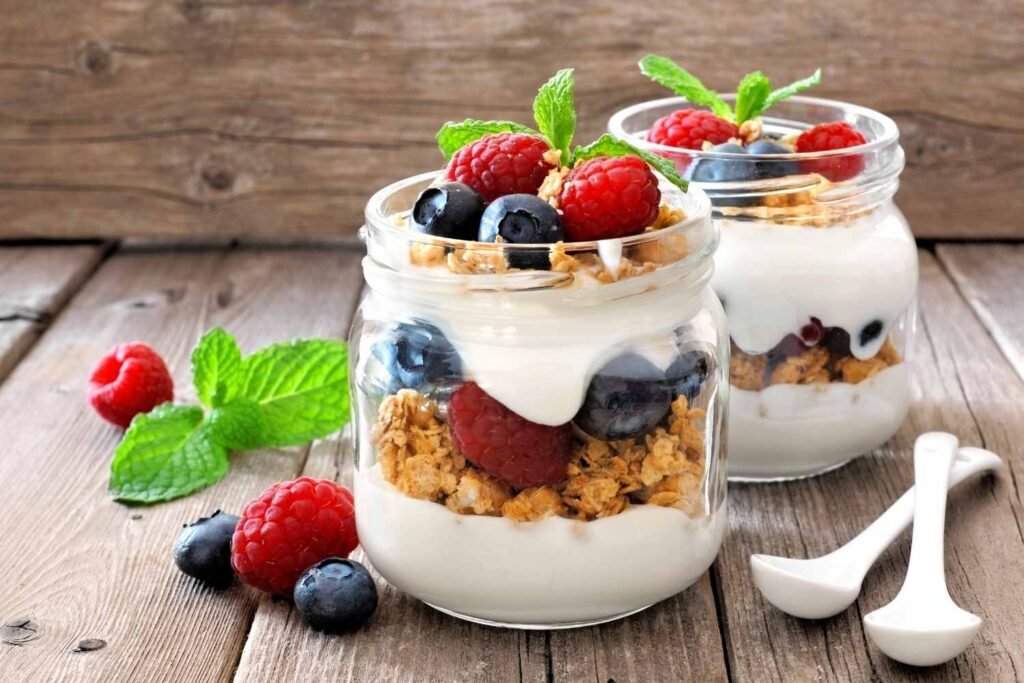
This snack appears fancy but requires next to no time. Greek yogurt gives an added boost in protein and calcium. Berries deliver antioxidants and vitamin C. Granola provides crunch and a bit of fiber.
How to make it: Scoop Greek yogurt into a small bowl or glass. Add a small handful of mixed berries and a few granola crumbs on top.
Time: 2 minutes.
Tip: Use plain or gently sweetened Greek yogurt. Many flavored yogurts contain as much sugar as a candy bar.
Children go for this one because it tastes like dessert. That’s a win.
3. Whole Grain Crackers with Cheese
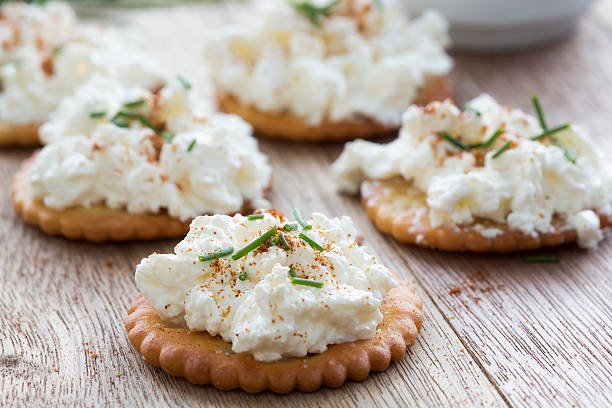
Simple. Fast. Filling. This pairing provides kids with complex carbohydrates from the crackers and a punch of protein and calcium from the cheese.
How to assemble: Arrange 6–8 whole grain crackers on a plate. Toss in slices or cubes of your kid’s favorite cheese — cheddar, mozzarella, or gouda all work fine.
Time: 2 minutes.
Tip: Find crackers with the words “whole wheat” or “whole grain” listed first on the ingredient list. Stay away from brands with long ingredient lists stuffed with additives.
You could throw in some grapes or cherry tomatoes on the side to make this a more complete snack.
4. Homemade Trail Mix
Trail mix is one of the best quick healthy snacks at home, as you can personalize it for your kid’s taste. It is easy to portion out by putting it into little zip bags to eat on the go.
How to make it: Combine a handful of nuts (almonds or cashews), a small handful of dried fruit (raisins, cranberries, or mango), and a few dark chocolate chips or whole grain cereal.
Time: 5 minutes to make a week’s worth.
Tip: Keep the portions reasonable. Nuts are nutritious but calorie-dense. A small handful is more than enough for one snack.
Keep them in airtight bags or jars and let kids grab one whenever they’re hungry. It also makes them feel independent.
5. Banana and Almond Butter Roll-Up
This snack is creamy, chewy, and everything a satisfying snack should be. Bananas are an excellent source of potassium, which promotes muscle function — crucial for active kids. Almond butter contributes healthy fat and protein.
How to make it: Spread almond butter on a small whole wheat tortilla. Add a banana to the middle, wrap it up tight, and cut into pinwheel bite sizes.
Time: 4 minutes.
Tip: Slice the pinwheels small for little kids so they can easily grab and eat without making a mess.
You can drizzle a little bit of honey on top for extra sweetness, but to be honest, the banana makes it sufficiently sweet on its own.
6. Veggie Sticks with Hummus
It can be a struggle to get kids to eat vegetables. But serve those veggies with creamy hummus and, suddenly, carrots and cucumbers look a whole lot more exciting.
How to make it: Chop up carrots, cucumber, celery, and bell peppers into sticks. Serve with store-bought or homemade hummus for dipping.
Time: 5 minutes.
Tip: Allow the kids to choose which vegetables they prefer. When given the option, they are more likely to eat them.
Hummus is made from chickpeas, which are a good source of both protein and fiber. It’s one of the healthiest dips you can set before a child.
Here’s a basic rundown of why this snack works so well:
| Ingredient | Key Nutrient | Benefit |
|---|---|---|
| Carrots | Beta-carotene | Supports healthy eyes |
| Cucumber | Water, Vitamin K | Hydration and bone health |
| Bell Peppers | Vitamin C | Supports the immune system |
| Hummus | Protein, Fiber | Fullness and energy |
| Celery | Fiber, Water | Digestion and hydration |
7. Hard-Boiled Eggs Sprinkled With Salt
Eggs are one of the most complete foods you can eat. They are packed with almost every nutrient a growing kid needs — protein, healthy fat, B vitamins, iron, and choline, which is especially important for brain development.
How to make it: Boil eggs in advance and keep in the fridge for up to a week. When snack time comes around, peel one or two, sprinkle with salt, and serve.
Time: 2 minutes (if pre-boiled). 12 minutes to boil from scratch.
Tip: Boil 6–8 at a time on Sunday. You’ll have easy snacks for the entire week with no effort.
Kids who eat eggs as snacks stay fuller longer and have better focus — especially in the afternoon when energy dips.
8. Smoothie with Hidden Greens
Smoothies are magical. You can slip in spinach, kale, or avocado, and done properly, children won’t even notice. They’ll just enjoy something sweet and creamy that happens to be packed with nutrients.
How to make it: Combine 1 cup of milk or almond milk, 1 banana, a handful of frozen berries, and a small handful of fresh spinach. Blend until smooth.
Time: 5 minutes.
Tip: Using frozen fruit makes for a thick and cold smoothie without having to add ice. It’s also less expensive than fresh fruit and just as nutritious.
Begin with a little greens and gradually work up. Once kids get used to it, you can gradually add more without them picking up on it.
Smoothie Boosters You Can Add:
- 1 tablespoon of chia seeds (for omega-3s and fiber)
- 1 tablespoon of flaxseed (fiber and healthy fat)
- One scoop of plain protein powder (for active kids)
- Greek yogurt (for extra protein and creaminess)
9. Avocado Toast on Whole Grain Bread
Avocados are full of healthy fats that help a child’s brain grow. Slathered onto whole grain toast, this snack becomes a fiber-rich mini-meal that satisfies.
How to make it: Toast a slice of whole grain bread. Mash half an avocado with a fork, spread over the toast, then season with salt, pepper, and a squeeze of lemon juice.
Time: 5 minutes.
Tip: For added protein, garnish with a sliced hard-boiled egg or a sprinkle of hemp seeds.
This one serves as an after-school snack or even a very light breakfast when mornings are rushed.
10. Cheese Quesadilla Cut into Triangles
Kids love anything they can pick up with their fingers. A straightforward cheese quesadilla is ideal — and you can make one in minutes on the stovetop.
How to make it: Heat a whole wheat tortilla in a pan over medium heat. Scatter grated cheese over half of it. Fold over the other half and cook for 1–2 minutes on each side until golden. Cut into triangles.
Time: 6 minutes.
Tip: Fill with black beans for more protein and fiber. They will go unnoticed, particularly since everything is covered in melted cheese.
Serve with some salsa or guacamole on the side for dipping. That’s even more nutrients for practically no additional work.
11. Frozen Banana “Nice Cream”
This one feels like dessert, but it’s made from just one ingredient — bananas. Frozen bananas puree into a silky, ice cream-like base that kids go crazy for.
How to make it: Peel 2–3 ripe bananas and freeze them overnight. Pulse frozen bananas in a food processor or high-powered blender until smooth and creamy. Serve immediately.
Time: 3 minutes (plus freezing overnight).
Tip: Stir in a spoonful of peanut butter or a handful of frozen mango for extra flavor.
Great for hot days or when kids want something sweet after dinner. It curbs the craving with no added sugar, artificial flavors, or preservatives.
Quick Guide: The Full List of 11 Snacks
| Snack | Prep Time | Key Nutrients | Best For |
|---|---|---|---|
| Apple + Peanut Butter | 3 min | Fiber, Protein, Healthy Fat | After school energy |
| Yogurt Parfait | 2 min | Protein, Calcium, Antioxidants | Morning or afternoon |
| Crackers + Cheese | 2 min | Calcium, Protein, Carbs | Quick hunger fix |
| Trail Mix | 5 min | Fat, Protein, Fiber | On-the-go snacking |
| Banana Roll-Up | 4 min | Potassium, Protein, Carbs | Active kids |
| Veggie Sticks + Hummus | 5 min | Vitamins, Fiber, Protein | Picky eaters |
| Hard-Boiled Eggs | 2 min | Protein, Iron, Choline | Brain fuel |
| Green Smoothie | 5 min | Vitamins, Fiber, Calcium | Nutrient boost |
| Avocado Toast | 5 min | Healthy Fat, Fiber, B Vitamins | After-school mini-meal |
| Cheese Quesadilla | 6 min | Calcium, Protein, Fiber | Savory craving |
| Banana Nice Cream | 3 min | Potassium, Natural Sugar | Sweet treat swap |
Clever Hacks To Make Healthy Snacking a Way of Life
Having the right snack ideas is only half the battle. The other half is about forming habits that make it stick. Here are some easy tactics that really work.
Prep ahead on weekends. Wash and chop fruits and vegetables, boil eggs, and portion out trail mix into individual bags. When healthy snacks at home are already ready to grab, kids will reach for them without even thinking.
Store healthy foods at eye level. Put fruits, sliced veggies, and healthy snacks at the front of the fridge and pantry. Kids grab what they see first.
Get children involved in the selection and preparation of snacks. Kids are far more likely to eat something if they have helped choose or prepare it. Even young kids can help wash fruit, scoop yogurt, or stir a smoothie.
Do not reward or punish using treats. This leads to unhealthy emotional attachment with food. Think of snacking as a regular, healthful part of the day.
Set a snack schedule. Instead of letting kids graze all day, give them snacks at regular intervals — typically mid-morning and mid-afternoon. This helps stop mindless munching and ensures hunger signals work properly.
What Not to Pick When Choosing Snacks for Kids
Not all snacks made for children are actually healthy for them. Watch out for these:
High-sugar snacks disguised as healthy. Fruit snacks, flavored yogurts, granola bars, and juice boxes can contain as much sugar as candy. Always check the label.
Ultra-processed options. If a product has a lengthy ingredient list full of ingredients you can’t pronounce, it is likely not in your best interest. According to the American Heart Association, highly processed snacks contribute to poor dietary habits that can follow children into adulthood.
Large portions of salty snacks. A few crackers is fine. A full bag of pretzels before dinner is not. Portion size matters.
Sugary drinks. Juice, sports drinks, and flavored milk pack lots of sugar without any of the fullness you get from solid food. Water or plain milk is almost always the healthier choice.
FAQs: Fast Healthy Snacks at Home for Growing Kids
Q: How many snacks should a child eat each day? One to two snacks a day is ideal for most children — one mid-morning and another in the afternoon. Very active children may need a small snack before or after physical activity as well. The trick is to keep snack size moderate so it’s not replacing a meal.
Q: What are the best snacks for picky eaters? Begin with flavors and textures you know they like. Cheese, crackers, and fruit are safe starting points for just about any picky eater. Gradually introduce new tastes alongside favorites. Dips such as hummus and peanut butter can make new veggies or crackers far more appetizing.
Q: Can my child eat store-bought snacks? Some store-bought snacks are just fine — especially those such as plain nuts, whole grain crackers, string cheese, or plain yogurt. The problem is with overprocessed, high-sugar, high-sodium, and artificial-additive-laden snacks. Reading labels is how you make healthier selections.
Q: Can I prep snacks for the entire week? Absolutely. It’s actually among the best things you can do. Boil a batch of eggs, pre-portion trail mix, wash and cut up fruit and veggies, and store in clear containers at the front of the fridge. When healthy snacks are prepped and ready to grab, kids are much more likely to choose them over chips or candy.
Q: What if my child is not hungry during snack time? That’s okay. Don’t force it. Hunger cues are important, and kids are pretty good at instinctively knowing when they’re actually hungry versus bored. If they miss a snack, they’ll eat more at meals — and that’s perfectly fine.
Q: Are smoothies really good for kids? They can be — if made right. A smoothie made with whole fruit and vegetables, milk or yogurt, and no added sugar is a truly healthy choice. The trouble comes with smoothies that contain a lot of juice, flavored syrup, or sweetener. Homemade is almost always better than store-bought.
Q: What are the best snacks for kids to focus better at school or during homework? A snack that pairs protein with complex carbohydrates works best for focus. Think: hard-boiled eggs with whole grain crackers, apple slices with peanut butter, or yogurt with granola. These give lasting energy without the blood sugar spike-and-crash that comes from sugary snacks.
Wrapping It All Up
Quick healthy snacks at home for growing kids don’t have to be complicated or time-consuming. Most of the ideas in this list take five minutes or less. They use simple ingredients. And more importantly, kids actually enjoy eating them.
The goal isn’t perfection. It’s consistency. You don’t have to make every single thing from scratch every day. But if you can trade chips for apple slices with peanut butter most days, or offer veggie sticks with hummus rather than a bag of pretzels, you’re already making a real impact on your child’s nutrition.
Begin with one or two snacks from this list. See what your kids like. Build from there. With time, healthy snacking becomes an easy habit — and the long-term benefits for your child’s energy, focus, growth, and overall health are well worth it.