Your child has just come home from school.
They drop their bag, ransack the pantry, and surface with a fistful of cookies or a bag of chips. Sound familiar?
Here’s the kicker: kids are not nibbling out of boredom. They are literally running out of gas. Growing bodies use up energy quickly. With school, sports, homework, and just being a kid, these growing bodies have a lot to keep up with.
There’s just one problem. Most of the grab-and-go snacks out there are designed for convenience, not energy. They send blood sugar skyrocketing, then crashing. And suddenly your kid is cranky, distracted, and somehow hungry again 30 minutes later.
That’s why healthy snacks at home for kids energy matter so much. When you trade in processed junk for real, whole-food snacks, kids feel better, focus more, and behave better. It’s not magic. It’s just nutrition at work.
In this article, you’ll get 9 nutrient-dense snack ideas that are quick to prepare, budget-friendly, and — most importantly — kids actually eat them.
Why Kids Get Tired So Quickly
Before we dive into the snacks, it’s helpful to understand why kids need them at all.
When it comes to energy, children are working against two forces: small stomachs and fast metabolisms. They convert food to energy fast and can’t store as much of it as adults. That’s why the time between lunch and dinner can feel like a desert to a hungry kid.
Factor in physical activity, mental focus at school, and the natural demands of growth, and you have a recipe for energy crashes — unless you close the gaps with smart snack choices.
What Energy-Boosting Snacks Actually Do
Good snacks do more than fill the belly. They:
- Keep blood sugar steady rather than rising and falling
- Provide protein to help muscles recover and grow
- Deliver brain-nourishing healthy fats
- Supply vitamins and minerals that support overall health, including immune function and bone strength
The best healthy snacks at home for kids energy hit at least two or three of these markers. That’s what we’re aiming for with every snack on this list.
The Energy Snack Formula: What to Always Include
Not all snacks are created equal. Here is an easy formula for building a snack that boosts energy instead of tanking it.
| Snack Component | What It Does | Best Sources |
|---|---|---|
| Protein | Slows digestion, sustains energy | Eggs, Greek yogurt, cheese, nut butter |
| Complex Carbohydrates | Offers lasting fuel rather than a quick sugar hit | Oats, whole grain bread, fruit, sweet potato |
| Healthy Fats | Boosts brain function and fullness | Avocado, nuts, seeds, olive oil |
| Fiber | Delays sugar absorption to prevent crashes | Vegetables, beans, whole grains, fruit with skin |
| Natural Sugars | Instant energy from whole food | Banana, dates, mango, berries |
Aim for snacks that combine at least two of these columns. Protein plus complex carbs is a classic winning combination. Healthy fat plus fiber is another great pairing.
Now let’s turn to the snacks themselves.
Snack #1: Peanut Butter Banana Roll-Ups
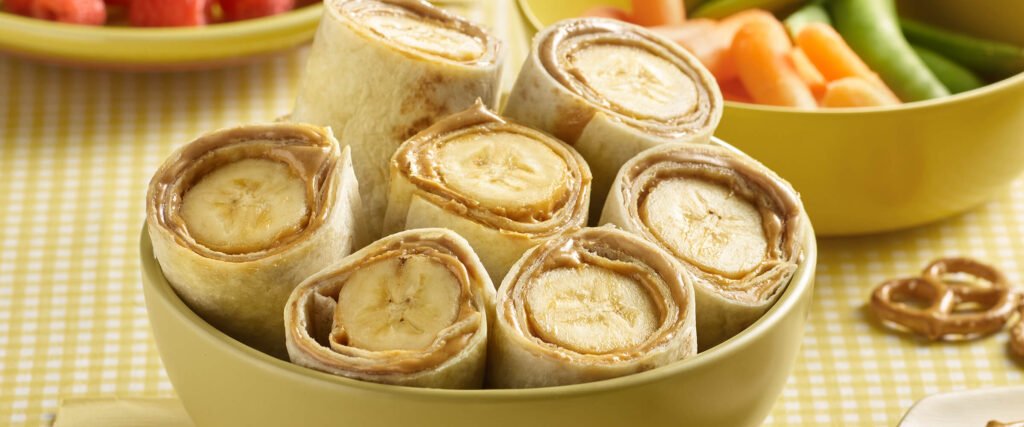
This one is as fun to make as it is to eat.
It’s chewy, creamy, naturally sweet, and packed with energy-boosting nutrients. The roll-up format is popular with kids because it feels different from a regular snack — almost like a little wrap.
Why It Powers Kids Up
Bananas are one of nature’s best energy foods. They’re bursting with natural sugars, potassium, and vitamin B6, which helps the body convert food into usable energy. Peanut butter brings protein and healthy fat to slow things down so the energy lasts longer.
This combo is one of the most effective healthy snacks at home for kids energy because it delivers fast-acting and slow-burning fuel at the same time.
How to Make It
- Lay a whole wheat tortilla flat on a surface
- Spread a generous layer of natural peanut butter across it
- Place one peeled banana at the edge
- Roll the tortilla tightly around the banana
- Slice into pinwheel rounds
Time: Under 5 minutes Serves: 2 kids
Swap idea: Use almond butter or sunflower seed butter if peanuts are an issue. Add a light drizzle of honey for extra sweetness.
Snack #2: No-Bake Oat Energy Balls
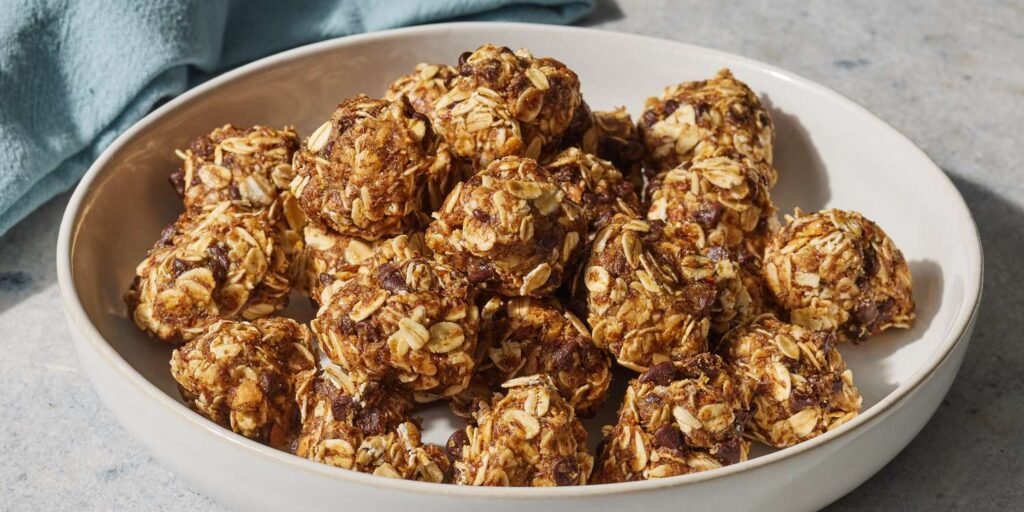
These little bites look like candy but work like fuel.
No baking required. No complicated steps. Just mix, roll, and refrigerate. They’re one of the best prep-ahead healthy snacks at home for kids energy — you can make a big batch and have them ready all week.
Why They Work So Well
Oats are a rich source of complex carbohydrates and fiber. They digest slowly, which means kids get a steady release of energy rather than a sudden spike. Add peanut butter for protein, honey for a touch of natural sweetness, and mini chocolate chips to make kids actually excited about eating them.
How to Make Them
Ingredients (makes about 20 balls):
- 1½ cups rolled oats
- ½ cup natural peanut butter
- ⅓ cup honey
- ½ cup mini chocolate chips
- 1 teaspoon vanilla extract
- Optional: 2 tablespoons chia seeds or flaxseed for extra nutrition
Instructions:
- Combine all ingredients in a large bowl and stir until fully mixed
- Refrigerate the mixture for 30 minutes — this makes it easier to roll
- Shape into small balls, roughly the size of a golf ball
- Store in an airtight container in the refrigerator for up to one week
Nutrition boost tip: Add some chia seeds. They’re packed with omega-3 fatty acids and fiber without changing the taste at all.
Snack #3: Hard-Boiled Eggs with Whole Grain Crackers
This might just be the most underrated pairing on this list.
It’s boring-looking. It doesn’t have a fancy name. But nutritionally, it delivers way more than its simple appearance suggests.
Why Eggs Are an Energy Superstar
Eggs contain every essential amino acid the body requires. They’re high in protein, B vitamins, and healthy fats — all of which are important for sustaining energy and brain function. According to the Harvard T.H. Chan School of Public Health, eggs are among the most nutrient-dense foods available.
Combine them with whole grain crackers for fiber and complex carbs, and you’ve got a snack that keeps kids energized for hours.
How to Make It
- Hard boil eggs in advance (they keep in the fridge for up to a week in the shell)
- Peel and slice or serve whole
- Serve with a handful of whole grain crackers
- Add a pinch of salt and pepper or spread some hummus on the side for dipping
Prep-ahead tip: Hard boil 6–8 eggs on Sunday. All your snacks for the week are sorted with no daily effort.
Snack #4: Sweet Potato Toast with Almond Butter

Forget regular bread. Sweet potato toast is a game-changer.
It sounds strange, but it’s genuinely delicious. And kids who give it a try tend to become instant fans.
Why Sweet Potato Is a Secret Energy Weapon
Sweet potatoes are an excellent source of complex carbohydrates, fiber, and beta-carotene. They are also rich in B vitamins that are directly involved in cellular energy production.
Top that with almond butter — a great source of protein, healthy fat, and magnesium — and you have one of the most nutrient-dense healthy snacks at home for kids energy.
How to Make It
- Slice a raw sweet potato lengthwise into ¼-inch thick slabs
- Pop them in the toaster on high — toast 2–3 times until cooked through and slightly crispy
- Spread almond butter or peanut butter on top
- Optional toppings: banana slices, a drizzle of honey, hemp seeds, or a sprinkle of cinnamon
Time: About 10 minutes Works for: After school, pre-sport snack, weekend mornings
Snack #5: Greek Yogurt with Granola and Berries
This one reappears because it’s just that good for energy.
It’s filling, colorful, and customizable. Kids can build their own bowl, which makes them ten times more likely to eat it without complaining.
The Energy Science Behind This Snack
Greek yogurt has nearly double the protein of regular yogurt. Protein slows digestion and keeps blood sugar stable — which means no mid-afternoon crash. Granola adds complex carbs and crunch. Berries bring antioxidants, natural sugar, and vitamin C.
Together, this trio covers protein, complex carbs, fiber, and natural sugars. That’s four out of five components in the energy snack formula.
How to Build the Perfect Bowl
| Layer | What to Use | Why |
|---|---|---|
| Base | Plain or vanilla Greek yogurt | High protein, probiotics |
| Middle | Fresh or frozen blueberries, strawberries | Antioxidants, vitamin C |
| Top | Low-sugar granola or crushed whole grain cereal | Complex carbs, fiber, crunch |
| Drizzle | Tiny bit of honey or maple syrup | Natural sweetness |
Portion tip: Keep granola portions small — about ¼ cup. Some granola brands are sneakily high in sugar. Check the label and aim for under 8 grams of sugar per serving.
Snack #6: Hummus and Veggie Pinwheels
A fun upgrade on the classic veggie-and-hummus combo.
Instead of just dipping, you spread hummus on a tortilla, pile it with veggies, roll it up, and slice it into colorful pinwheels. It looks impressive and kids love the presentation.
Why This Snack Fuels Energy
Hummus is made from chickpeas, which are one of the best plant-based sources of protein and fiber. The veggies pack in vitamins and minerals. The whole wheat tortilla provides complex carbohydrates for sustained energy.
This is one of those healthy snacks at home for kids energy that also sneaks in a solid serving of vegetables — without any squabble.
How to Make Hummus Pinwheels
- Lay a large whole wheat tortilla flat
- Spread a thick layer of hummus across the entire surface
- Layer with thinly sliced veggies: cucumber, shredded carrots, baby spinach, and bell pepper strips
- Roll the tortilla up tightly from one end
- Slice into 1-inch rounds
Makes: 6–8 pinwheel slices Fridge life: Wrap in plastic wrap and refrigerate for up to 24 hours
Snack #7: Banana and Oat Pancakes (2 Ingredients)
Yes, two ingredients. Yes, they’re actually good.
These little pancakes are soft, naturally sweet, and feel like a real treat. But they’re made entirely from bananas and eggs — nothing else needed.
Why This Snack Is Surprisingly Powerful
Two ripe bananas and two eggs might not sound like much. But you’re getting potassium, B vitamins, and natural sugar from the banana, and complete protein plus healthy fat from the eggs. It’s a genuinely balanced energy snack dressed up as something fun.
How to Make Them
Ingredients:
- 2 ripe bananas
- 2 eggs
Instructions:
- Mash the bananas thoroughly in a bowl until no large lumps remain
- Crack in both eggs and stir until combined
- Heat a non-stick pan over medium heat with a light spray of oil
- Drop small spoonfuls of batter onto the pan (silver-dollar size works best)
- Cook 1–2 minutes per side until lightly golden
Optional add-ins: Cinnamon, a splash of vanilla extract, blueberries, or a few tablespoons of mini chocolate chips stirred into the batter.
Serve with: Greek yogurt or a drizzle of honey on the side.
Snack #8: Trail Mix — Built for Energy on the Go
Store-bought trail mix is often packed with candy and sugar. Homemade trail mix takes five minutes and you control every single ingredient.
This is one of the best portable healthy snacks at home for kids energy because it requires no cooking, stores easily, and can be tailored to your child’s tastes.
The Building Blocks of a Great Trail Mix
| Component | Best Options | Energy Benefit |
|---|---|---|
| Nuts | Almonds, cashews, peanuts | Healthy fat, protein |
| Seeds | Pumpkin seeds, sunflower seeds | Magnesium, zinc, protein |
| Dried Fruit | Raisins, cranberries, mango strips | Natural sugar, quick energy |
| Whole Grain | Mini pretzels, whole grain cereal | Complex carbs, fiber |
| Optional Sweet | Dark chocolate chips, coconut flakes | Flavor, antioxidants |
How to Build It
- Use a ratio of roughly 2 parts nuts and seeds to 1 part dried fruit to 1 part whole grain
- Mix in a large bowl and portion into small snack bags or containers
- Store at room temperature for up to 2 weeks
Portion note: Trail mix is calorie-dense. A decent kid-sized portion is about ¼ cup. It’s filling, so a little goes a long way.
Snack #9: Whole Grain Toast with Avocado and Seeds
Avocado toast has a bit of a fancy reputation. But stripped back to basics, it’s one of the most nutritious and energy-sustaining snacks you can make at home.
And kids, when introduced early, genuinely enjoy it.
Why Avocado Is a Brain and Energy Food
Avocados are full of monounsaturated fats — the healthy fatty acids that support brain development and sustained focus. They also contain B vitamins, potassium, and fiber. On whole grain toast, this becomes a snack that hits protein, complex carbs, healthy fat, and fiber all at once.
Sprinkle some hemp seeds or pumpkin seeds on top, and you’ve added a boost of plant-based protein and magnesium — a mineral that plays a key role in converting food into energy.
How to Make It
- Toast one slice of whole grain or whole wheat bread
- Mash half a ripe avocado with a fork until smooth
- Spread over the toast and season with a pinch of salt and pepper
- Top with pumpkin seeds, hemp seeds, or everything bagel seasoning
- Optional: spread a layer of cream cheese beneath the avocado for extra protein
Time: 5 minutes Best for: After school, weekend snack, pre-activity fuel
At-a-Glance Energy Snack Comparison
| Snack | Prep Time | Energy Type | Key Nutrients | Kid Appeal |
|---|---|---|---|---|
| PB Banana Roll-Up | 5 mins | Fast + sustained | Potassium, protein, healthy fat | ⭐⭐⭐⭐⭐ |
| Oat Energy Balls | 40 mins (batch) | Sustained | Fiber, protein, complex carbs | ⭐⭐⭐⭐⭐ |
| Hard-Boiled Egg + Crackers | 12 mins | Sustained | Complete protein, B vitamins | ⭐⭐⭐⭐ |
| Sweet Potato Toast | 10 mins | Sustained | Beta-carotene, B vitamins, fiber | ⭐⭐⭐⭐ |
| Greek Yogurt Parfait | 5 mins | Sustained | Protein, calcium, antioxidants | ⭐⭐⭐⭐⭐ |
| Hummus Veggie Pinwheels | 10 mins | Sustained | Fiber, plant protein, vitamins | ⭐⭐⭐⭐ |
| Banana Oat Pancakes | 15 mins | Fast + sustained | Potassium, complete protein | ⭐⭐⭐⭐⭐ |
| Homemade Trail Mix | 5 mins | Fast + sustained | Healthy fat, natural sugar, fiber | ⭐⭐⭐⭐⭐ |
| Avocado Toast with Seeds | 5 mins | Sustained | Healthy fat, fiber, magnesium | ⭐⭐⭐⭐ |
Timing Matters: When to Give Kids an Energy Snack
It’s not just what you feed kids — it’s when. Timing snacks properly can make a huge difference in how effective they are.
After school (3–4 PM): This is the critical snack window. Kids have been running on lunch for hours. A protein-and-carb combo here sets them up for homework focus and afternoon activity. Go for the oat energy balls, Greek yogurt parfait, or PB banana roll-up.
Before sports or physical activity: Aim for something with quick-digesting natural sugar and some protein — the banana oat pancakes, trail mix, or peanut butter banana roll-up all work well here. Eat 30–45 minutes before activity for best results.
Before bed (if actually hungry): Go with something light and protein-based. A small bowl of Greek yogurt or a hard-boiled egg won’t impact sleep and will help keep nighttime hunger at bay. Avoid anything sugary close to bedtime.
For more ideas on building nutritious routines around snack time, Healthy Snacks at Home is a fantastic resource packed with practical, family-friendly snack inspiration.
A Simple Snack Prep Routine That Saves Time
The number one reason healthy snacking fails is convenience. When the easy option is chips and the healthy option requires effort, chips win every time.
The fix? Prep ahead.
Here’s a simple Sunday setup that gets you through the whole week:
Step 1: Hard boil 6–8 eggs and refrigerate in the shell. Step 2: Make a batch of oat energy balls and store in the fridge. Step 3: Wash and chop veggie sticks. Store in water in the fridge. Step 4: Portion trail mix into small bags or containers. Step 5: Slice sweet potato slabs and keep raw in a sealed container.
With these five things done, you have grab-and-go healthy snacks at home for kids energy ready every single day. The total prep takes roughly 45 minutes once a week.
FAQs About Healthy Snacks at Home for Kids Energy
Q: How many snacks should kids have per day? Most children thrive with one or two snacks a day — one mid-morning if needed, and another after school. Active kids who play sports may need an additional pre-activity snack. Always follow your child’s hunger cues rather than forcing a rigid schedule.
Q: What are the worst snacks for kids’ energy levels? The biggest culprits are snacks high in refined sugar and low in protein or fiber — think candy, sugary juice boxes, white bread, and most packaged cookies or crackers. These spike blood sugar and cause an energy crash 30–60 minutes later. They also leave kids hungrier than before.
Q: My child is a picky eater. How do I get them to try new snacks? Introduce new snacks alongside familiar favorites. Let kids help make the snack — kids who make the food are much more likely to eat it. Don’t force or pressure. Offer a new snack 10–15 times on different occasions before giving up. The banana oat pancakes and oat energy balls tend to win over even the pickiest eaters because they look and taste like treats.
Q: Are fruit snacks or juice pouches okay for energy? Most commercial fruit snacks and juice pouches are little more than sugar in disguise. They offer a fast energy boost but nothing to sustain it. Whole fruit is always a better choice since it comes with fiber that slows sugar absorption. If juice is part of the picture, choose a small amount of 100% fruit juice and pair it with a protein-rich option.
Q: Can toddlers enjoy these snacks too? Yes, with modifications. Chop everything into small, bite-sized pieces to prevent choking. For very young children, hold off on nuts if there are allergy concerns. Avoid honey for babies younger than 12 months. Soft options like banana oat pancakes, Greek yogurt, and mashed avocado toast are great places to start.
Q: How do I know if a packaged snack is actually energy-boosting? Check the label. A good energy snack provides at least 3 grams of protein, at least 2 grams of fiber, and less than 8 grams of added sugar per serving. The ingredient list should be short and made up of recognizable words. If sugar or corn syrup is listed as the first ingredient, put it back.
Q: What if my child needs energy right before a game or practice? Opt for something light and quick to digest. A banana, a peanut butter roll-up, or a handful of trail mix eaten 30–45 minutes before activity works well. Avoid heavy, high-fat or high-fiber foods right before exercise — they can cause stomach discomfort during activity.
Wrapping It Up
Kids need real fuel to power through their day. Not a sugar rush that lasts 20 minutes. Not empty calories that leave them grumpy and tired. Real, whole-food energy from snacks that actually work.
That’s exactly what the 9 healthy snacks at home for kids energy on this list deliver. From oat energy balls to sweet potato toast to homemade trail mix, every option is straightforward, cost-effective, and built around ingredients that nourish growing bodies and active minds.
You don’t need to overhaul your entire kitchen or spend hours cooking. Start with just one snack this week. See how your kids respond. Do some batch prep on the weekend. Build from there.
Small changes, done consistently, add up over time. Your kids’ energy levels, focus, mood, and overall health will reflect it — and you’ll feel great knowing exactly what’s going into their bodies.
Pick one snack from this list and try it today. That’s all it takes to get started.