Open your fridge. Open your pantry. I bet you have most of the stuff that will help you make something really good to eat right now.
No fancy superfoods. No expensive powders. No long ingredient lists.
Just simple, everyday foods that come together in minutes — and also do something good for your body.
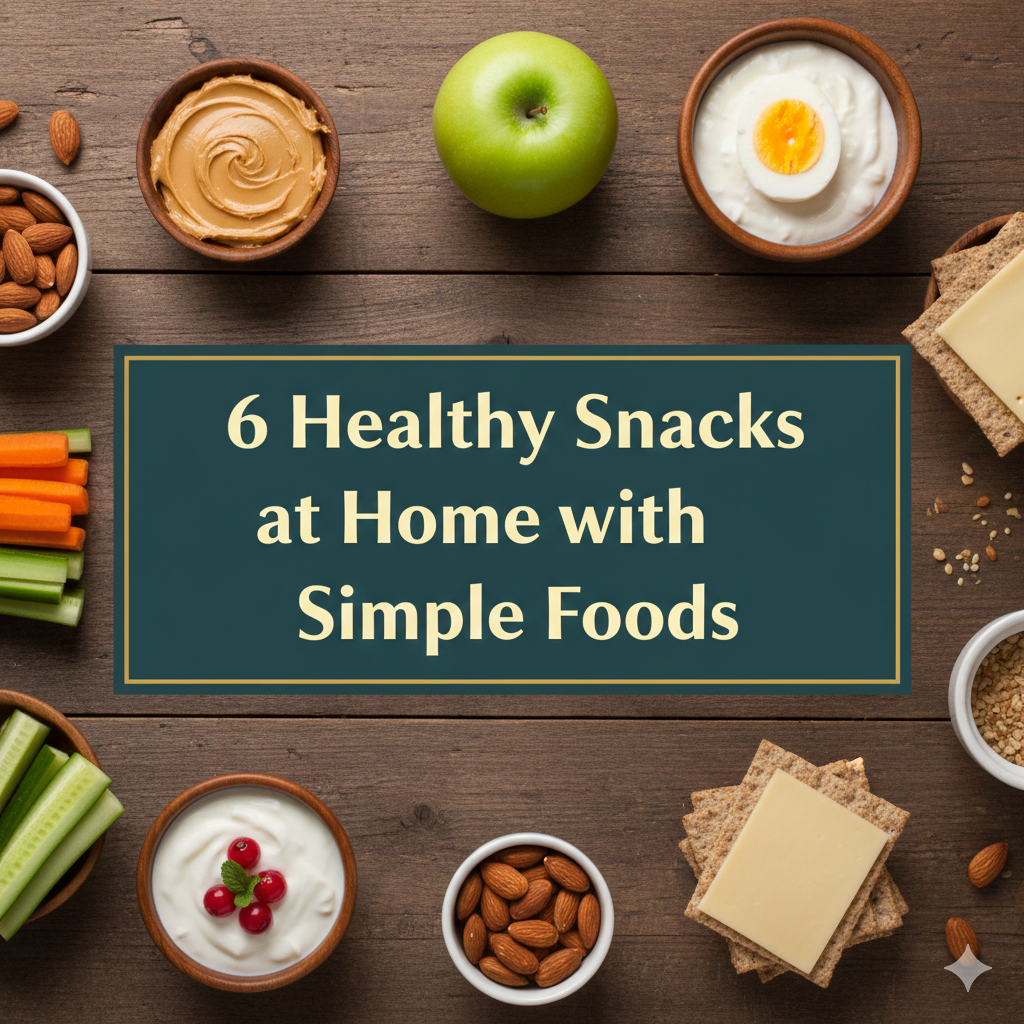
That’s what this article is for. Six seriously powerful healthy snacks at home with simple foods that will actually fill you up and energize you properly. Not the sugar-crash kind. The kind that actually lasts.
Whether you’re reaching for a snack between meals, fueling up before your next workout, or just trying to stop eating chips every afternoon — this is the place for you.
Let’s get into it.
The Simple Snack That Packs a Punch
There is this widespread myth that healthy eating needs to be complicated. That it requires you to follow a certain diet plan, buy expensive ingredients, or spend hours in the kitchen.
Well, nothing could be farther from the truth.
The best snacks often come from the simplest ingredients. An egg. A banana. A handful of nuts. A can of chickpeas. These are straightforward foods filled with nutrients that your body knows how to use well.
The issue with ultra-processed snacks isn’t just what they contain. It’s also what they lack — fiber, protein, vitamins and minerals that keep your body functioning properly.
When you trade in junky snacks for healthy snacks at home with simple foods, it’s not only about what you’re eliminating. You’re folding in the good stuff as well.
And the results come quickly — more focused attention, steadier energy, less mindless eating and even better sleep.
Snacks — What Makes Them Actually “Healthy”?
But before we get to the snack list, some housekeeping.
Not all snacks marketed as “healthy” are as good for you as they claim to be. Granola bars, sweetened yogurts, fruit juices and rice snack packs could be filled with added sugar and very little fiber or protein.
A truly healthy snack does three things well:
It sustains you until your next meal so you don’t go searching for food again 20 minutes later. It provides you with energy that releases slowly and steadily — no sugar spike and crash here. And it gives your body at least a couple of actual nutrients — protein, fiber, vitamins, minerals, or healthy fats.
Here is a quick cheat sheet to assess any snack:
| Snack Quality Check | Good Sign | Red Flag |
|---|---|---|
| Protein | 4g or more per serving | Less than 2g |
| Fiber | 3g or more per serving | Less than 1g |
| Sugar | Under 8g (preferably natural) | 15g+ with added sugars |
| Ingredients | Short, easy-to-pronounce words | Long, confusing-sounding names |
| How satisfied you are | Still satisfied after 2 hours | Hungry again in an hour or less |
Keep that table in mind as you scroll through the following snacks. Each one of them scores highly on all of those points.
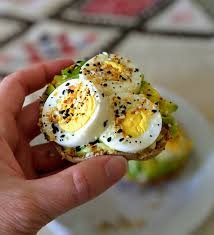
Snack #1 — Boiled Eggs with Everything Bagel Seasoning
The Simplest High-Protein Snack You Can Make
Eggs are one of the few nearly complete foods in the world. One large egg contains 6 grams of high-quality protein, along with vitamins B12, D, and A, as well as choline — a nutrient that supports brain function.
And boiling eggs only takes a few minutes. Boil a batch of six to eight eggs on Sunday and you’ll have grab-and-go snacks waiting in your fridge all week.
Why This Combo Is Genius
Everything bagel seasoning is a basic combination of sesame seeds, poppy seeds, garlic flakes and onion flakes mixed with salt. It transforms a plain boiled egg into something that tastes like it came from a fancy café.
The seasoning provides crunch, flavor and even a little healthy fat from the seeds — without adding sugar or anything artificial.
How to Make It
Boil your eggs to your preferred doneness. For firm yolks, boil for 10 to 12 minutes in gently simmering water. Cool them in an ice bath, then peel and refrigerate.
When it’s time to snack, halve the egg and sprinkle generously with everything bagel seasoning. That’s the whole recipe.
Nutrition at a Glance
| Key Ingredients | Benefits |
|---|---|
| Boiled egg | Protein, B12, vitamin D, choline |
| Everything bagel seasoning | Flavor, sesame seeds, healthy fats |
Bonus Tip: Place a couple of thinly sliced cucumbers on the side. The freshness balances the richness of the egg perfectly.
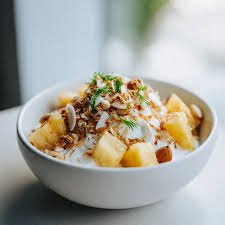
Snack #2 — Cottage Cheese with Pineapple and a Drizzle of Honey
The Snack That’s Way More Than It Seems
Cottage cheese is one of the most underrated things in the whole dairy aisle. People walk right past it. They shouldn’t.
Half a cup of cottage cheese provides approximately 13 to 15 grams of protein. It’s also a good source of calcium, phosphorus and B vitamins. And it’s pretty low in calories for how filling it tends to be.
Pair it with some fresh or canned pineapple and a small drizzle of honey — and you’ve got something that tastes as much like dessert as a snack possibly can.
The Research Behind Why This Works
Pineapple contains bromelain, a natural enzyme that aids in digestion and decreases inflammation throughout the body. It’s also loaded with vitamin C, which helps maintain a healthy immune system.
The honey subtly sweetens it without sending your blood sugar crashing the way refined sugars can — particularly when balanced with the protein in the cottage cheese.
Together, all three ingredients cover protein, natural sugar and digestive enzymes in one small bowl.
How to Put It Together
Into a bowl, scoop half a cup of full-fat or low-fat cottage cheese. Add some chunks of fresh pineapple or a spoonful of canned pineapple in natural juice (not syrup). Drizzle with a little bit of honey.
Optional: Add a sprinkle of cinnamon or some chopped walnuts for extra flavor and crunch.
Done in under two minutes.
Snack #3 — Tuna and Mustard on Whole Grain Crackers
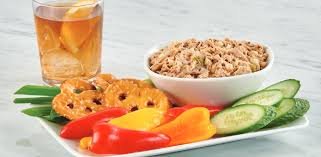
Protein-Packed, Pantry-Friendly, and Surprisingly Delicious
This one is simple — because it should be. But don’t be fooled by the simplicity. This snack is genuinely powerful.
Canned tuna is one of the most cost-effective sources of protein you can purchase. A 5-ounce can has about 25 to 30 grams of protein, omega-3 fatty acids, vitamin D and selenium. All for usually less than two dollars.
Paired with whole grain crackers for fiber and complex carbs, and a hint of mustard for tanginess and flavor — this snack covers protein, healthy fats, fiber and micronutrients in every bite.
Building the Perfect Tuna Cracker
Open and drain one can of tuna packed in water. Combine the tuna with one to two teaspoons of yellow or Dijon mustard. You can also add a small squeeze of lemon juice and a grind of black pepper for extra freshness.
Spoon the tuna mixture onto whole grain crackers. Eat immediately.
If you’d like to include more vegetables, place a thin slice of cucumber or a few baby spinach leaves beneath the tuna on each cracker. It provides crunch and extra nutrients with no extra effort.
Why Mustard Is the Secret Weapon
Most people use mayonnaise to mix their tuna. And while there’s nothing inherently wrong with mayo, it adds a lot of fat and calories without a whole lot of nutritional value.
Mustard gives you all the flavor with next to no calories. It also contains turmeric and other spices with anti-inflammatory properties. That’s one of those small swaps that makes a real difference in the quality of your snack.
| Component | Why It’s There |
|---|---|
| Canned tuna | Protein, omega-3s, vitamin D |
| Mustard | Flavor, anti-inflammatory spices |
| Whole grain crackers | Fiber, complex carbs, crunch |
| Cucumber or spinach | Micronutrients, freshness |
This is among the best healthy snacks at home with simple foods because everything you need is either shelf-stable or easy to keep stocked.
Snack #4 — Banana and Peanut Butter Pinwheels
A Favorite with Kids and Adults for Decades
This snack wins out over plain “banana with peanut butter” because of the way it’s built. Rolling it up into a pinwheel makes it more fun to eat, easier to share, and somehow even more satisfying.
It also feels more like a treat — and for snack satisfaction, that matters. If your snack feels special, you’re less likely to go rifling through the kitchen looking for something else immediately afterward.
What You Need
Just three things: a ripe banana, peanut butter and a whole wheat tortilla.
That’s it. Three ingredients, all of which are likely already in your kitchen.
How to Roll It
Lay a whole wheat tortilla flat on a plate or cutting board. Spread a thin, even layer of peanut butter all the way across — right to the edges.
Place one whole banana near one end of the tortilla and roll it up tightly. Cut the roll into one-inch rounds with a sharp knife.
You’ll end up with six to eight little pinwheels that look like something from a party snack platter.
Why This Snack Is So Good for You
| Ingredient | Key Nutrients |
|---|---|
| Whole wheat tortilla | Fiber, complex carbs, B vitamins |
| Peanut butter | Protein, healthy fat, magnesium |
| Banana | Potassium, vitamin B6, natural energy |
The fiber from the tortilla and the protein from the peanut butter slow down how quickly the natural sugar from the banana enters your bloodstream. Which means you get a long, steady stream of energy rather than a sugar spike.
This is one of those healthy snacks at home with simple foods that’s easy enough to make every single day without feeling like you’re in a rut.
Snack #5 — Crispy Roasted Chickpeas (Straight Out of the Can)
Wait — This Is Supposed to Be a No-Cook Article, Right?
Well, almost. This snack requires about 25 minutes in the oven. But the prep time is under 3 minutes — just drain, rinse, season and pop them in.
Chickpeas are one of the healthiest legumes you can eat. One cup offers roughly 15 grams of protein, 13 grams of fiber, plus iron, folate and manganese. They really are amazing little beans.
Roast them and they become a crispy, chip-like snack that hits the spot when you’re craving something salty and crunchy — without the empty calories of regular chips.
How to Make Crispy Roasted Chickpeas
Preheat your oven to 400°F (200°C). Open a can of chickpeas, drain them and rinse well. Spread them on a clean kitchen towel and pat them completely dry — this step is crucial for crispiness.
Place them in a single layer on a baking sheet. Drizzle with one tablespoon of olive oil. Season with your preferred seasoning.
Roast for 20 to 25 minutes, shaking the pan once halfway through, until golden and crispy.
Seasoning Ideas to Try
| Flavor Profile | Seasonings to Use |
|---|---|
| Classic Salty | Salt, garlic powder, onion powder |
| Smoky BBQ | Smoked paprika, cumin, brown sugar, salt |
| Spicy Kick | Cayenne, chili powder, salt, lime zest |
| Herb and Garlic | Dried rosemary, garlic powder, parmesan |
| Sweet Cinnamon | Cinnamon, honey, pinch of salt |
Make a big batch on the weekend and store in a loosely covered container. They stay crispy for two to three days.
Roasted chickpeas are one of the most satisfying healthy snacks at home with simple foods — especially when that mid-afternoon chip craving strikes hard.
Snack #6 — Apple Slices and Cheddar Cheese
A Sweet-and-Savory Pairing as Old as Time
It’s a pairing that has endured for a reason. Sweet, crisp apple slices with sharp, creamy cheddar cheese is a combination that’s easy to feel good about — flavor-wise and nutrition-wise.
The contrast between the tart apple and the rich, salty cheese is genuinely satisfying. It hits multiple taste notes at once — sweet, salty, sour and creamy — which is why it feels completely satisfying as a snack.
The Nutrition Behind the Pairing
Apples contain natural sugar along with a solid amount of fiber and vitamin C. The fiber in the apple skin helps slow the absorption of sugar into your bloodstream, preventing an immediate energy spike and crash.
Then there’s the protein and calcium in cheddar — two nutrients that keep you full and support strong bones. The fat in the cheese also slows digestion, keeping you feeling fuller for longer.
They complement each other perfectly. This is textbook evidence of why combining carbs with protein and fat results in a smarter snack.
According to Harvard T.H. Chan School of Public Health, apples contain quercetin, catechin, and other beneficial plant compounds that support heart health and reduce inflammation — making them one of the smartest fruits to include in your daily snack routine.
How to Serve It
Thinly slice one medium apple into rounds or wedges. Cut two to three thin slices of sharp cheddar cheese. Layer apple and cheese on a small plate.
Optional additions: a couple of walnuts on the side, a drizzle of honey over the cheese, or a sprinkle of cinnamon over the apple slices.
This is one of those healthy snacks at home with simple foods that requires absolutely no skill to make — but delivers seriously on nutrition and satisfaction.
Quick Comparison: Apple-Cheddar vs. Common Junk Snacks
| Snack | Protein | Fiber | Added Sugar | Satiety Level |
|---|---|---|---|---|
| Apple + Cheddar | ~7g | ~4g | 0g | High |
| Crackers + Processed Dip | ~2g | ~1g | 5–8g | Low |
| Candy Bar | ~3g | ~1g | 25g+ | Very Low |
| Flavored Rice Cakes | ~1g | ~1g | 4–6g | Very Low |
The numbers speak for themselves.
How to Build a Weekly Snack Routine That Actually Sticks
Knowing what to eat is one thing. Actually doing it consistently is another.
Here is an easy system to make healthy snacking more automatic — without relying on willpower every single day.
Pick two or three go-to snacks. Don’t try to rotate through all six snacks in just one week. Choose two or three favorites and focus on making those first.
Restock your pantry once a week. Keep canned tuna, canned chickpeas, eggs, bananas, apples, peanut butter, cottage cheese and crackers on hand at all times. These are inexpensive and long-lasting.
Prep on Sundays. Boil a batch of eggs. Roast a can of chickpeas. Slice some apples and store them in an airtight container with a squeeze of lemon juice to prevent browning.
Store snacks at eye level. Keep your healthy snacks at the front of the fridge and pantry. What you see first is what you grab first.
Don’t wait until you’re starving. Snack when you have mild hunger — not when you’re desperate. Desperation eating leads to poor choices every time.
For more ideas and inspiration on building a healthy snacking habit, check out Healthy Snacks at Home — your dedicated resource for easy-to-prepare, nutritious snack ideas that work in real life.
A Smart Shopper’s Guide to Stocking a Snack-Ready Kitchen
You don’t need a lot. You just need the right things.
Here’s a basic shopping list that covers all six snacks in this article and keeps your kitchen snack-ready all week:
| Category | Essentials |
|---|---|
| Protein | Eggs, canned tuna, cottage cheese, cheddar cheese |
| Fruits | Bananas, apples, pineapple (fresh or canned) |
| Pantry Staples | Peanut butter, canned chickpeas, honey, mustard |
| Grains | Whole grain crackers, whole wheat tortillas |
| Seasonings | Everything bagel seasoning, olive oil, cinnamon, spices |
Total grocery cost for this list at most stores: less than $30. And it covers snacks for one or two people for an entire week.
That is actual, nourishing food for less than most people spend on coffee or fast food in a week.
FAQs About Healthy Snacks at Home with Simple Foods
Q: Do any of these snacks require cooking?
Most involve zero cooking. The only exception is roasted chickpeas, which take around 25 minutes in the oven. But the prep also takes less than 3 minutes. Everything else — eggs aside — is completely no-cook.
Q: Are these snacks kid-friendly?
Yes, most of them are quite kid-friendly. Younger eaters especially enjoy the banana peanut butter pinwheels and the apple-cheddar combos. Be sure to check for nut allergies when peanut butter products are involved.
Q: Are these snacks good for weight loss?
Absolutely — with portion awareness. These snacks are all centered around whole foods that provide protein and fiber, the two key nutrients that help you feel full on fewer calories. Just limit yourself to one serving at a time and avoid adding extra sweeteners or toppings beyond what’s listed.
Q: How long do these snacks keep in the fridge?
Unpeeled boiled eggs keep for up to a week. Roasted chickpeas stay crispy at room temperature for 2 to 3 days. Sliced apple with lemon juice in a sealed container will last 2 to 3 days. Cottage cheese should follow the date on the package. Tuna should be used the day it is opened.
Q: Are these snacks vegetarian?
Five of the six snacks are vegetarian. The one exception is the tuna cracker snack. If you are vegetarian, simply replace the tuna with mashed white beans or seasoned canned lentils — it works beautifully with the same crackers and mustard base.
Q: What if I don’t like some of these snacks?
Think of these more as templates than fixed recipes. No pineapple with cottage cheese? Swap it for peaches or mango. Don’t love cheddar? Try gouda, mozzarella or brie. The central nutritional principle — combining protein with fiber and healthy fat — stays the same. The specific ingredients are completely flexible.
Q: How many snacks should I have per day?
Most nutritionists recommend one to two snacks a day for adults, placed between main meals. The goal is to prevent extreme hunger before meals, not to replace meals entirely. Listen to your hunger cues and snack when you’re truly hungry — not out of boredom or habit.
The Bottom Line
You don’t need elaborate recipes, strange ingredients or hours in the kitchen to eat well between meals.
These 6 powerful healthy snacks at home with simple foods show that the best snacks are more often than not the simplest ones. A boiled egg with seasoning. Cottage cheese with pineapple. Tuna on crackers. A banana peanut butter pinwheel. Crispy roasted chickpeas. Apple slices with cheddar.
Each and every one of these snacks is affordable, easy to prepare, genuinely nutritious and — perhaps best of all — actually satisfying.
Start with one or two. Get comfortable. Add more as you go.
The best snack routine isn’t the most fancy one. It’s the one you actually keep doing.
You’ll feel the difference in your body sooner than you might expect.