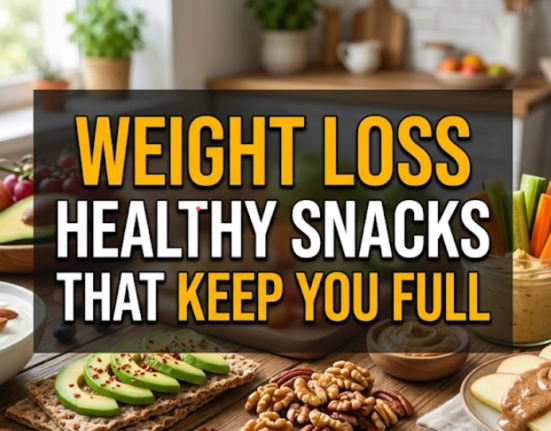
If you’ve ever found yourself hungry just an hour after eating a “healthy” snack, you’re not alone. Many snacks marketed as nutritious are actually low in protein and high in refined carbs, leading to quick energy spikes followed by equally fast crashes. The result? More cravings, more snacking, and less satisfaction.
Protein changes that equation. It digests more slowly than carbohydrates, helps regulate appetite hormones, and plays a key role in maintaining muscle mass. When combined with fiber and healthy fats, protein-rich snacks can keep you full for hours—not minutes.
This article explores seven high-protein healthy snacks that don’t just taste good, but actually work. Along the way, you’ll find practical insights, comparison tables, and simple ways to incorporate these snacks into your daily routine without overthinking it.
- Greek yogurt with nuts and seeds
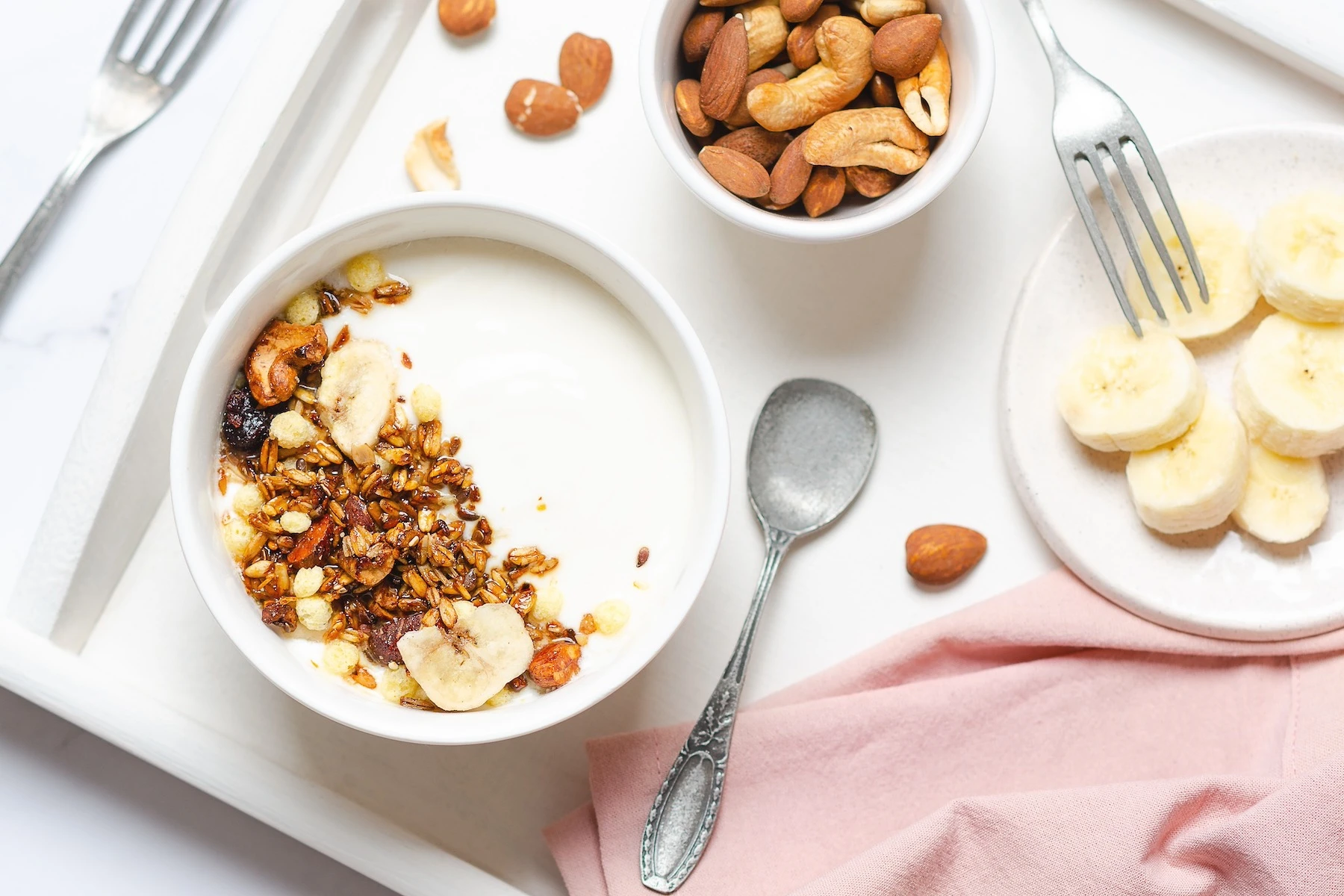
Greek yogurt is one of the most efficient high-protein snacks available. Unlike regular yogurt, it’s strained to remove excess whey, resulting in a thicker texture and higher protein concentration.
A single cup of plain Greek yogurt can contain anywhere from 15 to 20 grams of protein. Pair it with a small handful of almonds, chia seeds, or flaxseeds, and you’ve created a snack that combines protein, healthy fats, and fiber.
Why it keeps you full
Protein slows digestion, while fats from nuts delay stomach emptying. The combination creates a sustained release of energy that prevents sudden hunger spikes.
Simple serving idea
- 1 cup plain Greek yogurt
- 1 tablespoon chia seeds
- 10–12 almonds
- Optional: a drizzle of honey or a few berries
Nutritional breakdown example
| Component | Approx Value |
|---|---|
| Calories | 250–300 |
| Protein | 18–22g |
| Fat | 10–15g |
| Fiber | 4–6g |
Practical tip
Always go for unsweetened yogurt. Flavored versions often contain added sugars that reduce the satiety effect.
- Boiled eggs with whole grain toast
Eggs are one of the most complete protein sources, meaning they contain all essential amino acids. They’re also incredibly portable and easy to prepare in batches.
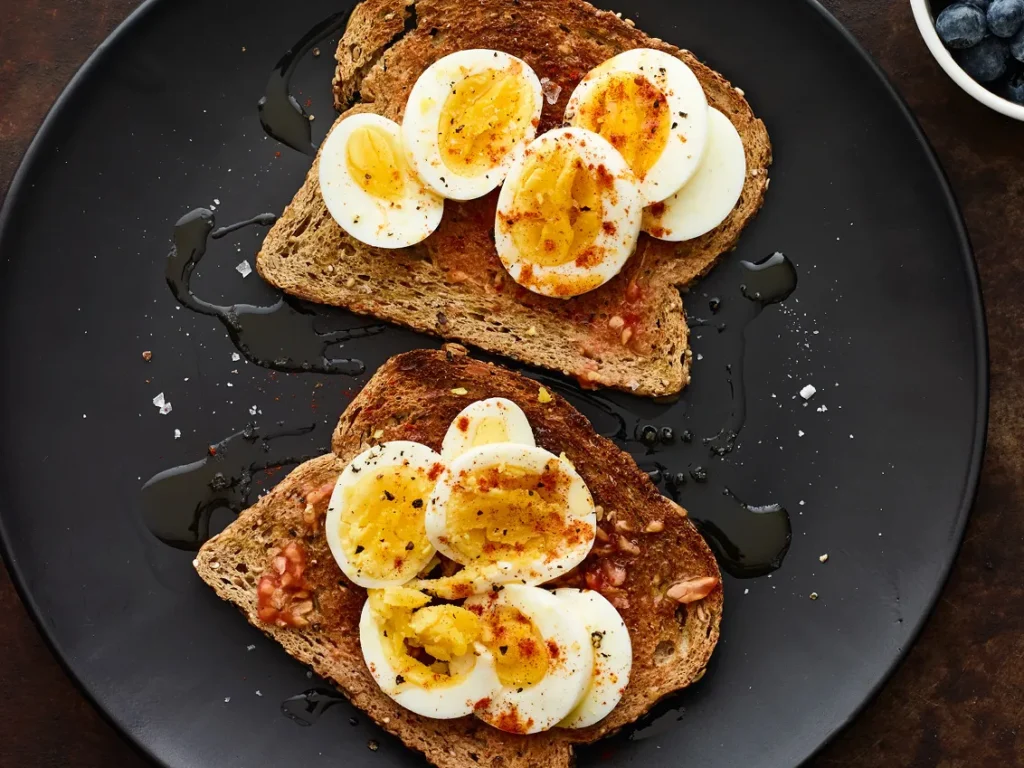
Two boiled eggs provide around 12–14 grams of protein. Pairing them with whole grain toast adds fiber and complex carbohydrates, creating a balanced mini-meal rather than a quick snack.
Why it keeps you full
Eggs are rich in protein and fats, both of which increase satiety hormones like peptide YY while reducing hunger hormones like ghrelin.
Simple serving idea
- 2 boiled eggs
- 1 slice whole grain toast
- Sprinkle of salt, pepper, and chili flakes
Nutritional breakdown example
| Component | Approx Value |
|---|---|
| Calories | 220–260 |
| Protein | 14–16g |
| Fat | 10–12g |
| Fiber | 3–5g |
Practical tip
Keep a batch of boiled eggs ready in your fridge. They last up to a week and can save you from reaching for low-protein snacks.
- Cottage cheese with fruit
Cottage cheese is often overlooked, but it’s one of the highest-protein dairy options available. A single cup can deliver up to 25 grams of protein.
Pairing it with fruit adds natural sweetness and fiber without compromising its nutritional value.
Why it keeps you full
Cottage cheese is rich in casein protein, which digests slowly and provides a steady release of amino acids over time.
Simple serving idea
- 1 cup cottage cheese
- ½ cup sliced pineapple or berries
- Sprinkle of cinnamon
Nutritional breakdown example
| Component | Approx Value |
|---|---|
| Calories | 200–250 |
| Protein | 22–25g |
| Fat | 5–8g |
| Fiber | 2–4g |
Practical tip
If you’re sensitive to sodium, look for low-sodium versions of cottage cheese.
- Protein smoothie with whole ingredients
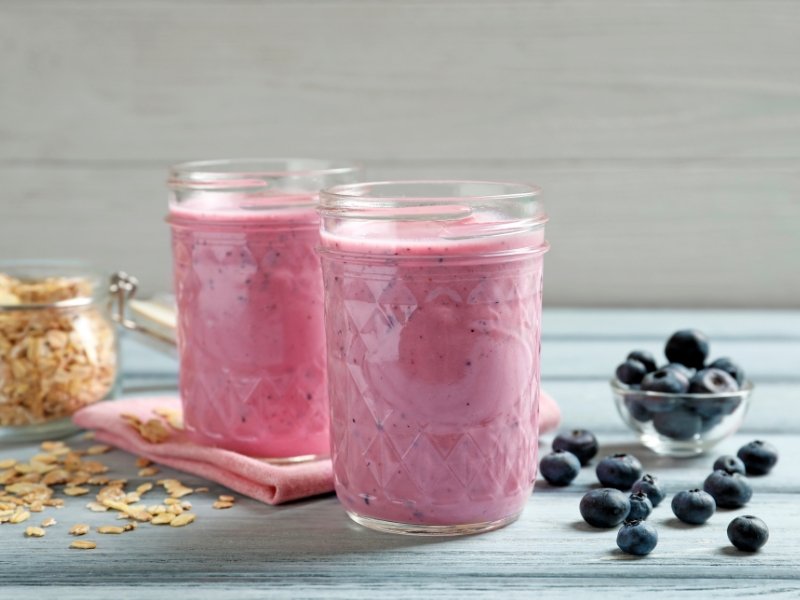
Protein smoothies can be incredibly filling—but only if they’re made properly. Many store-bought smoothies are sugar-heavy and protein-light.
A well-balanced smoothie includes protein, fiber, and fats.
Why it keeps you full
Liquid meals can sometimes be less satisfying, but adding fiber (like oats or chia seeds) and fats (like peanut butter) slows digestion and improves satiety.
Simple smoothie formula
- 1 scoop protein powder (whey or plant-based)
- 1 tablespoon peanut butter
- ½ banana
- 1 tablespoon oats
- 1 cup milk or almond milk
Nutritional breakdown example
| Component | Approx Value |
|---|---|
| Calories | 300–350 |
| Protein | 20–30g |
| Fat | 8–12g |
| Fiber | 4–6g |
Practical tip
Avoid adding fruit juices. Whole fruits provide fiber, while juices add sugar without satiety.
- Roasted chickpeas
Chickpeas are a plant-based protein source that also deliver fiber and complex carbohydrates. When roasted, they become crunchy and snack-like, making them a great alternative to chips.
Why it keeps you full
The combination of protein and fiber slows digestion and stabilizes blood sugar levels.
Simple preparation
- 1 cup canned chickpeas (drained and dried)
- 1 tablespoon olive oil
- Spices: paprika, cumin, salt
- Roast at 200°C (400°F) for 20–30 minutes
Nutritional breakdown example
| Component | Approx Value |
|---|---|
| Calories | 180–220 |
| Protein | 8–10g |
| Fat | 5–7g |
| Fiber | 6–8g |
Practical tip
Make a large batch and store in an airtight container for quick snacking throughout the week.
- Peanut butter with apple slices
This is a simple yet powerful combination. While peanut butter isn’t extremely high in protein compared to other options, its healthy fats make it very satisfying.
Why it keeps you full
Fat slows digestion significantly, while the fiber in apples adds bulk and helps maintain fullness.
Simple serving idea
- 1 medium apple (sliced)
- 1–2 tablespoons peanut butter
Nutritional breakdown example
| Component | Approx Value |
|---|---|
| Calories | 200–250 |
| Protein | 6–8g |
| Fat | 10–14g |
| Fiber | 4–6g |
Practical tip
Choose natural peanut butter with minimal ingredients—just peanuts and maybe salt.
- Tuna on whole grain crackers
Tuna is an excellent lean protein source, with around 20 grams of protein per serving. When paired with whole grain crackers, it becomes a balanced and filling snack.
Why it keeps you full
High protein content combined with fiber-rich carbs helps sustain energy levels and prevent overeating later.
Simple serving idea
- 1 small can tuna (in water)
- 4–5 whole grain crackers
- Optional: mix tuna with yogurt or mustard
Nutritional breakdown example
| Component | Approx Value |
|---|---|
| Calories | 220–280 |
| Protein | 20–25g |
| Fat | 4–6g |
| Fiber | 3–5g |
Practical tip
Keep canned tuna stocked for quick, no-cook snack options.
Comparison chart: which snack is best for you?
| Snack | Protein | Fiber | Prep Time | Best For |
|---|---|---|---|---|
| Greek yogurt + nuts | High | Medium | Low | Balanced nutrition |
| Boiled eggs + toast | Medium | Medium | Low | Quick energy |
| Cottage cheese + fruit | High | Low | Low | Muscle recovery |
| Protein smoothie | High | Medium | Medium | On-the-go meals |
| Roasted chickpeas | Medium | High | Medium | Crunchy snack lovers |
| Peanut butter + apple | Low | Medium | Low | Sweet cravings |
| Tuna + crackers | High | Medium | Low | High-protein needs |
What makes a snack truly filling?
Not all high-protein snacks are equal. Satiety depends on three main factors:
Protein content
Protein reduces hunger hormones and increases feelings of fullness more than carbs or fats alone.
Fiber content
Fiber adds volume to food without adding many calories, helping you feel physically full.
Fat content
Healthy fats slow digestion and enhance satisfaction.
The most effective snacks combine all three. That’s why something like Greek yogurt with nuts is more filling than yogurt alone.
How to build your own high-protein snack
If you want flexibility instead of fixed recipes, follow this simple formula:
Protein base + fiber source + healthy fat
Examples
- Yogurt + berries + almonds
- Eggs + whole grain toast + avocado
- Smoothie + oats + peanut butter
This approach ensures your snack keeps you full without needing to count every calorie.
Common mistakes to avoid
Relying on “healthy” labels
Many snacks labeled as healthy are low in protein and high in sugar.
Ignoring portion sizes
Even healthy snacks can lead to overeating if portions aren’t controlled.
Skipping protein entirely
Snacks like fruit alone may be nutritious but won’t keep you full for long.
FAQs
- How much protein should a snack have to keep me full?
A good target is 10–20 grams of protein per snack. This range is usually enough to significantly reduce hunger between meals. - Are protein bars a good option?
Some are, but many contain added sugars and low-quality ingredients. Always check the label for at least 10 grams of protein and minimal sugar. - Can plant-based snacks be as filling as animal-based ones?
Yes, especially when combining legumes, nuts, and whole grains. The key is balancing protein with fiber. - Is it okay to snack multiple times a day?
Yes, as long as your snacks are balanced and not excessive in calories. High-protein snacks can actually help control overall intake. - What’s the best snack for weight loss?
Snacks high in protein and fiber, like Greek yogurt with seeds or roasted chickpeas, are particularly effective for weight management. - Can I eat these snacks at night?
Absolutely. Options like cottage cheese are especially good at night due to slow-digesting protein.
In the end, the difference between a snack that satisfies and one that leaves you hungry comes down to composition. When protein is paired with fiber and healthy fats, you create something more than just a quick bite—you create a tool for better energy, better focus, and better control over your eating habits.
Instead of reaching for whatever is convenient, choose snacks that work for you. The seven options above aren’t just healthy—they’re practical, satisfying, and easy to fit into real life.