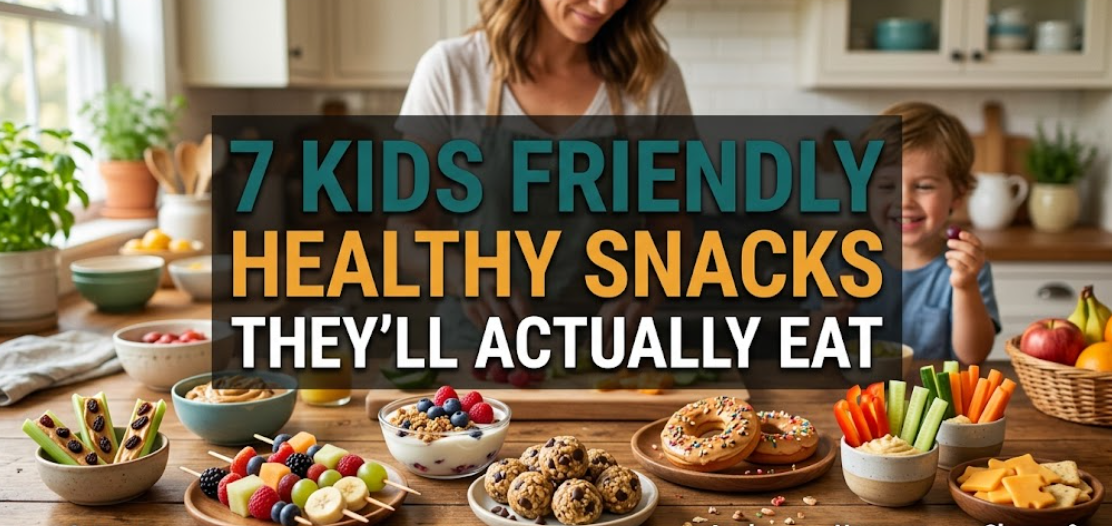
Anyone who has ever tried to feed a child something “healthy” knows that nutrition alone doesn’t win the battle—taste, texture, color, and even presentation matter just as much. Children don’t think in terms of protein, fiber, or vitamins. They react to what feels fun, familiar, and easy to eat.
That’s where most snack ideas fall short. They may be healthy on paper, but if a child refuses to eat them, they don’t serve their purpose. The goal, then, is not perfection—it’s acceptance. Snacks should be nutritious, yes, but also appealing enough that kids reach for them willingly.
The following seven snacks strike that balance. They’re simple, quick to prepare, and designed with real-life preferences in mind. Along the way, you’ll find helpful tables, practical tips, and small tweaks that can make a big difference.
- banana peanut butter roll-ups
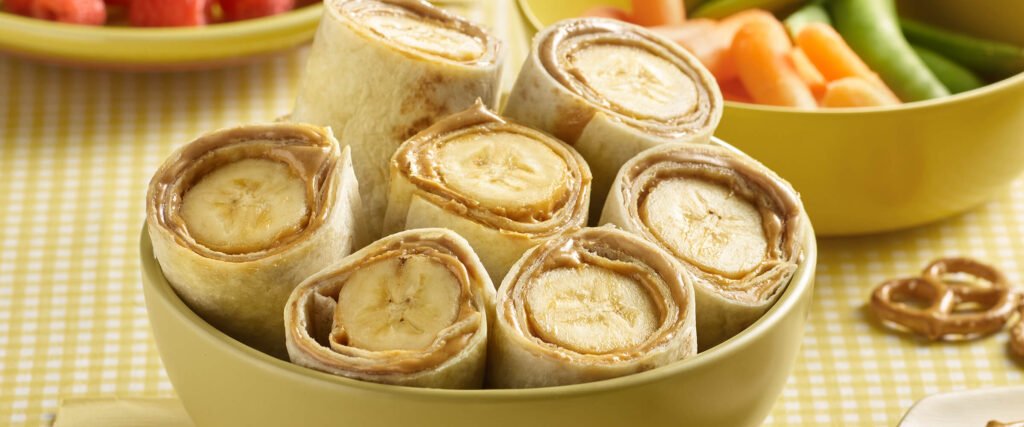
This snack feels more like a treat than a “healthy option,” which is exactly why it works. It’s soft, slightly sweet, and easy to hold—perfect for younger kids.
How to make it
- 1 whole wheat tortilla
- 1 tablespoon peanut butter
- 1 banana
Spread the peanut butter over the tortilla, place the banana in the center, roll it up, and slice into small pieces.
Why kids like it
The sweetness of the banana combined with the creamy peanut butter creates a familiar flavor. The bite-sized pieces also make it fun to eat.
Nutrition snapshot
| Nutrient | Approximate Value |
|---|---|
| Calories | 220–260 |
| Protein | 6–8g |
| Fat | 8–10g |
| Fiber | 3–4g |
Quick tip
If peanut allergies are a concern, substitute with sunflower seed butter.
- yogurt parfait with fruit layers
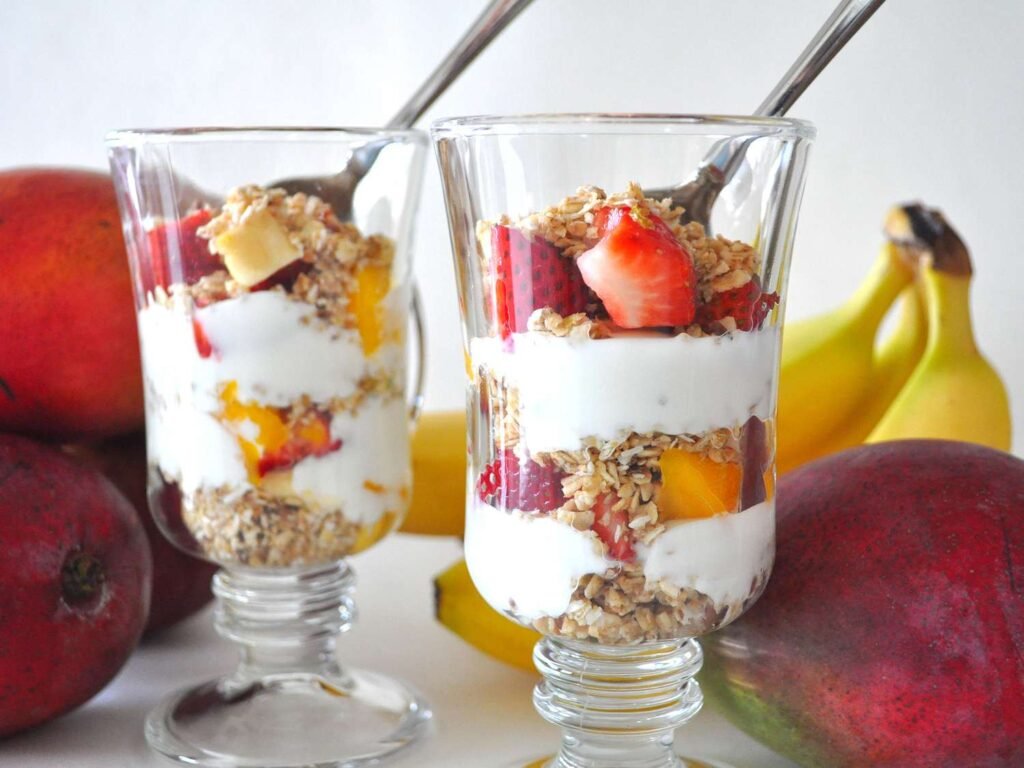
A yogurt parfait turns a simple snack into something visually interesting. Layers naturally make food more appealing to children.
How to make it
- 1 cup yogurt
- ½ cup berries or chopped fruit
- 1 tablespoon granola
Layer yogurt, fruit, and granola in a small glass or bowl.
Why kids like it
The layered look feels like dessert, while the mix of textures keeps it interesting.
Nutrition snapshot
| Nutrient | Approximate Value |
|---|---|
| Calories | 200–250 |
| Protein | 10–15g |
| Fat | 4–6g |
| Fiber | 2–4g |
Quick tip
Let kids build their own parfait—it increases the chance they’ll eat it.
- mini cheese and veggie skewers
Presentation can change everything. Putting food on a stick instantly makes it more fun.
How to make it
- Cheese cubes
- Cherry tomatoes
- Cucumber slices
Thread them onto small skewers or toothpicks.
Why kids like it
It’s interactive and colorful. Kids often enjoy assembling and eating food in this format.
Nutrition snapshot
| Nutrient | Approximate Value |
|---|---|
| Calories | 150–200 |
| Protein | 7–10g |
| Fat | 8–10g |
| Fiber | 1–2g |
Quick tip
Use different colors to make the skewers visually appealing.
- apple slices with yogurt dip
Instead of serving fruit alone, adding a dip can make it far more exciting.
How to make it
- 1 apple, sliced
- ½ cup yogurt
- Dash of cinnamon or honey
Why kids like it
Dipping food adds an element of play, which can make even simple snacks feel special.
Nutrition snapshot
| Nutrient | Approximate Value |
|---|---|
| Calories | 180–220 |
| Protein | 6–10g |
| Fat | 3–5g |
| Fiber | 3–4g |
Quick tip
Slice apples thinly for easier eating, especially for younger children.
- homemade trail mix
Store-bought trail mixes often contain too much sugar. A homemade version lets you control the ingredients.
How to make it
- Nuts (almonds, peanuts, cashews)
- Raisins or dried fruit
- Whole grain cereal
Mix everything in a bowl and portion into small containers.
Why kids like it
The variety of textures and flavors makes every bite different.
Nutrition snapshot
| Nutrient | Approximate Value |
|---|---|
| Calories | 200–250 |
| Protein | 6–8g |
| Fat | 10–14g |
| Fiber | 2–3g |
Quick tip
Add a few dark chocolate chips to make it more appealing without overdoing sugar.
- scrambled egg mini cups
Eggs are a powerhouse of nutrition, and turning them into mini portions makes them kid-friendly.
How to make it
- 2 eggs
- Chopped vegetables (optional)
- Small muffin tray
Whisk the eggs, pour into muffin slots, and bake for about 10–12 minutes.
Why kids like it
They’re small, soft, and easy to eat. The size makes them feel like snack bites rather than a full meal.
Nutrition snapshot
| Nutrient | Approximate Value |
|---|---|
| Calories | 120–150 |
| Protein | 10–12g |
| Fat | 8–10g |
| Fiber | 0–1g |
Quick tip
Add a little cheese for extra flavor.
- frozen banana yogurt bites
This snack feels like ice cream but is much healthier. It’s especially useful in warm weather.
How to make it
- Banana slices
- Yogurt
Dip banana slices in yogurt and freeze for 1–2 hours.
Why kids like it
Cold, creamy, and slightly sweet—it mimics dessert.
Nutrition snapshot
| Nutrient | Approximate Value |
|---|---|
| Calories | 150–200 |
| Protein | 6–8g |
| Fat | 2–4g |
| Fiber | 2–3g |
Quick tip
Serve immediately after taking them out of the freezer for best texture.
comparison chart: quick overview
| Snack | Protein | Fiber | Prep Time | Kid Appeal Level |
|---|---|---|---|---|
| Banana roll-ups | Medium | Medium | 5 min | Very high |
| Yogurt parfait | Medium | Low | 5 min | High |
| Cheese veggie skewers | Medium | Low | 5–7 min | High |
| Apple + yogurt dip | Low | Medium | 3 min | High |
| Homemade trail mix | Low | Low | 5 min | Medium-high |
| Egg mini cups | High | Low | 15 min | Medium |
| Frozen banana bites | Low | Low | Prep + freeze | Very high |
what makes kids actually eat a snack?
It’s rarely just about taste. Several factors influence whether a child accepts or rejects a snack.
visual appeal
Bright colors and fun shapes can make a big difference.
texture
Crunchy, creamy, or soft textures matter more than we often realize.
control
Kids are more likely to eat something they helped prepare.
familiarity
New foods are better accepted when paired with something familiar.
Here’s a simple breakdown:
| Factor | Why It Matters | Example |
|---|---|---|
| Color | Attracts attention | Fruit, veggies |
| Texture | Affects enjoyment | Crunchy vs soft snacks |
| Involvement | Builds interest | DIY parfaits |
| Familiarity | Reduces resistance | Banana + peanut butter |
simple strategy for parents
Instead of trying to introduce entirely new foods, start with combinations.
familiar + new
Pair a food your child already likes with something slightly different.
small portions
Large servings can feel overwhelming.
consistent exposure
Kids may need multiple tries before accepting a food.
no pressure approach
Encouragement works better than forcing.
sample snack schedule for kids
| Time | Snack Idea |
|---|---|
| After school | Banana roll-ups |
| Evening | Yogurt parfait |
| Weekend | Frozen banana bites |
This kind of structure creates routine without being rigid.
common mistakes to avoid
offering only “perfect” snacks
If it’s too restrictive, kids may resist completely.
ignoring presentation
Even healthy food benefits from a little creativity.
overloading with sugar alternatives
Natural doesn’t always mean low sugar—balance is key.
expecting instant acceptance
Taste preferences take time to develop.
FAQs
- how can I encourage my child to eat healthy snacks?
Involve them in preparation, offer choices, and keep the environment relaxed without pressure. - what if my child refuses everything new?
Start small. Pair new foods with familiar favorites and keep trying without forcing. - are these snacks suitable for school lunches?
Yes, most of them can be packed easily, especially trail mix, roll-ups, and egg cups. - how do I handle picky eaters?
Focus on presentation, variety, and consistency rather than forcing specific foods. - can I prepare these snacks in advance?
Many of them can be prepped ahead, like egg cups, trail mix, and frozen banana bites. - how often should kids snack?
Typically 1–3 snacks per day, depending on age and activity level.
Feeding kids isn’t about chasing perfection—it’s about finding what works. The snacks in this list are not just healthy; they’re realistic. They acknowledge that children care about how food looks and feels just as much as how it tastes.
When snacks are simple, fun, and familiar, they stop being a struggle. Instead, they become something kids look forward to—and that’s where real progress begins.