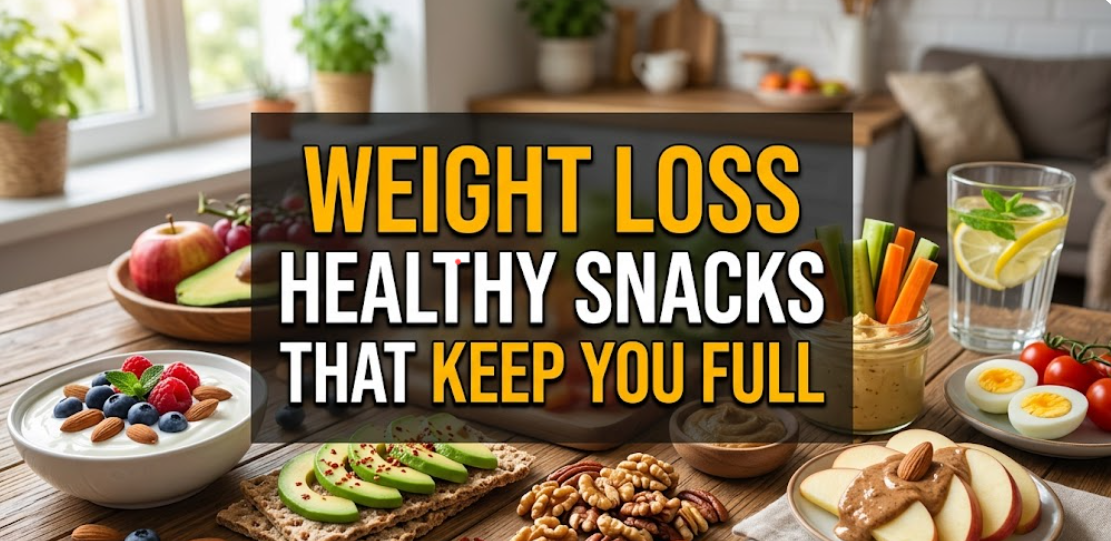
11 weight loss healthy snacks that keep you full
There’s a moment most of us know too well. You’re trying to eat better, maybe even lose a bit of weight, and somewhere between meals your energy dips, your focus slips, and suddenly everything from biscuits to leftover rice starts calling your name. Hunger, especially the kind that sneaks up quietly, can derail even the best intentions.
The truth is, snacking isn’t the enemy. In fact, when done right, it becomes one of the most powerful tools for managing hunger, supporting metabolism, and avoiding overeating later. The key lies in choosing snacks that actually satisfy you — not just for a few minutes, but long enough to keep you steady until your next meal.
This article walks through eleven practical, filling, and realistic snack options. These aren’t exotic or complicated ideas. They are everyday combinations built around fiber, protein, and healthy fats — the three pillars of satiety.
Before diving in, it helps to understand what makes a snack “filling.”
What makes a snack keep you full?
Satiety, or the feeling of fullness, depends on more than calories alone. Two snacks may contain the same number of calories, yet one leaves you satisfied while the other has you searching for more within minutes.
Here’s a quick breakdown:
Table 1: satiety factors in snacks
Factor Why it matters Examples Protein Slows digestion and reduces hunger hormones Greek yogurt, eggs, nuts Fiber Adds bulk and keeps you full longer Fruits, vegetables, oats Healthy fats Provide sustained energy Nuts, seeds, avocado Water content Increases volume without extra calories Cucumbers, oranges Low sugar spikes Prevents energy crashes Whole foods vs processed
When snacks combine at least two of these elements, they tend to be far more effective.
Now, let’s explore the snacks themselves.
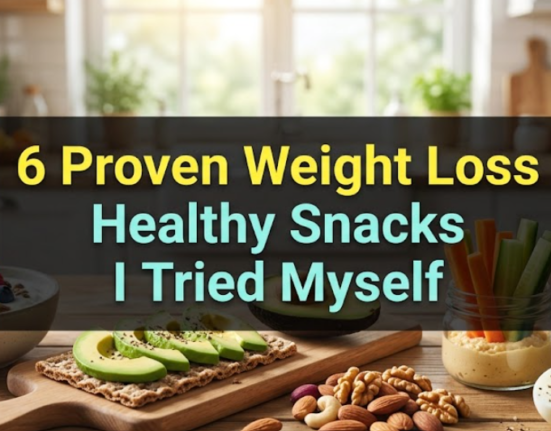
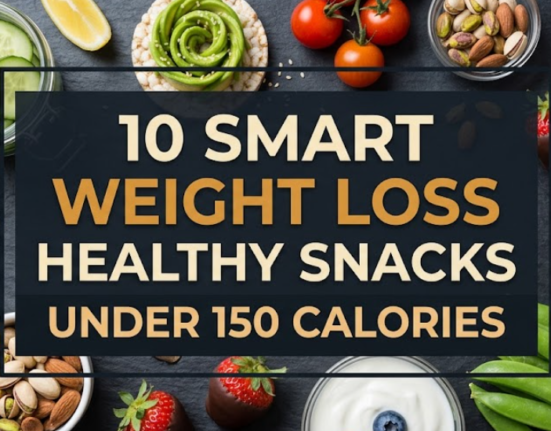
- Greek yogurt with berries
This combination is a classic for a reason. Greek yogurt is rich in protein, often providing 10–15 grams per serving, while berries add fiber and natural sweetness without a heavy sugar load.
What makes it work is the balance. The protein keeps you full, while the fiber slows digestion. Together, they create a snack that feels indulgent but supports your goals.
Quick idea: Mix a cup of plain Greek yogurt with a handful of blueberries and a sprinkle of chia seeds.
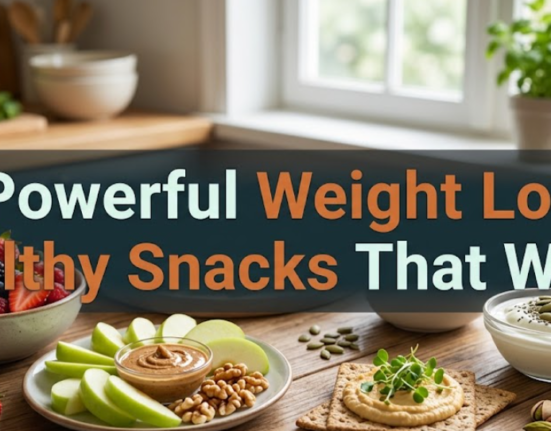
- Apple slices with peanut butter
There’s something incredibly satisfying about the crunch of an apple paired with the creaminess of peanut butter. But beyond taste, this pairing hits the satiety trifecta: fiber, healthy fats, and a bit of protein.
Apples provide soluble fiber, which forms a gel-like substance in the gut, slowing digestion. Peanut butter adds fats that help keep hunger at bay.
Portion tip: One medium apple with one tablespoon of peanut butter is usually enough.
- Boiled eggs with a pinch of salt and pepper
Eggs are one of the most nutrient-dense foods available. A single boiled egg contains high-quality protein and essential nutrients that support overall health.
They’re also incredibly filling. Many people find that two boiled eggs can hold them over for hours.
Table 2: nutritional snapshot of a boiled egg
Nutrient Approx amount Calories 70–80 Protein 6 grams Fat 5 grams Carbs <1 gram
Simple, portable, and effective.
- Cottage cheese with cucumber
Cottage cheese is another protein-rich option that often gets overlooked. When paired with cucumber slices, it becomes refreshing and hydrating as well.
This snack is especially helpful during warmer days when heavy foods feel unappealing.
Tip: Add a pinch of black pepper or herbs for extra flavor.
- Handful of mixed nuts
Nuts are calorie-dense, but they’re also incredibly satisfying. A small portion can go a long way in keeping hunger under control.
The key is moderation. A mix of almonds, walnuts, and pistachios offers a variety of textures and nutrients.
Table 3: portion guide for nuts
Type Recommended portion Calories (approx) Almonds 20–25 pieces 160 Walnuts 7–10 halves 150 Pistachios 30–35 pieces 160
- Oatmeal with chia seeds
Oats aren’t just for breakfast. A small bowl of oatmeal can make an excellent snack, especially when you need something warm and comforting.
Chia seeds add extra fiber and a slight gel-like texture that enhances fullness.
Preparation idea: Cook oats with water or milk, then stir in a teaspoon of chia seeds and a few slices of banana.
- Hummus with carrot and cucumber sticks
This snack combines plant-based protein with fiber-rich vegetables. Hummus, made from chickpeas, provides both protein and healthy fats.
Crunchy vegetables add volume, making this snack feel substantial without adding too many calories.
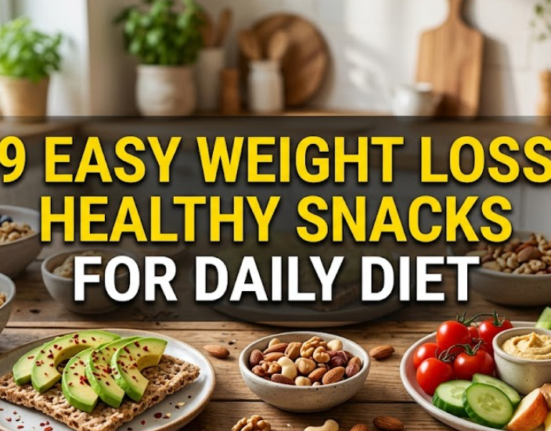
- Avocado on whole grain toast
Avocado is rich in healthy fats that slow digestion and promote satiety. When spread on whole grain toast, you also get fiber from the grains.
This snack works well when you need something slightly more filling, almost like a mini-meal.
- Dark chocolate with almonds
Yes, chocolate can fit into a weight loss plan. The trick is choosing dark chocolate (70% cocoa or higher) and pairing it with almonds.
This combination satisfies sweet cravings while still offering some nutritional value.
- Smoothie with protein and fiber
A well-made smoothie can be incredibly filling. The mistake many people make is loading it with fruit alone, which can lead to quick hunger afterward.
Instead, aim for balance:
Table 4: balanced smoothie formula
Component Example Protein Greek yogurt or protein powder Fiber Oats or chia seeds Fruit Berries or banana Liquid Water or milk
- Roasted chickpeas
Roasted chickpeas are crunchy, savory, and surprisingly filling. They provide both protein and fiber, making them an excellent alternative to chips.
You can season them with spices like paprika, cumin, or garlic powder for variety.
How to build your own filling snacks
Instead of memorizing snacks, you can build your own combinations using a simple formula.
Table 5: snack building formula
Step Choose one Protein Yogurt, eggs, nuts, legumes Fiber Fruits, vegetables, oats Fat Nuts, seeds, avocado Flavor Spices, herbs, cocoa
Mixing two or three of these categories often leads to a satisfying result.
Common mistakes that make snacks less effective
Even healthy snacks can fall short if certain pitfalls aren’t avoided.
- Relying on low-fat processed foods These often contain added sugars that lead to energy crashes.
- Skipping protein A snack without protein rarely keeps you full for long.
- Eating too little A very small snack may not be enough, leading to overeating later.
- Mindless snacking Eating while distracted can make it harder to recognize fullness cues.
Practical daily snack plan example
Table 6: sample day with snacks
Time Snack idea 10:30 AM Greek yogurt with berries 3:30 PM Apple with peanut butter Evening Roasted chickpeas or nuts
This structure helps maintain energy levels throughout the day.
Final thoughts
Healthy snacking isn’t about restriction. It’s about choosing foods that work with your body instead of against it. When snacks are built around protein, fiber, and healthy fats, they become tools that support weight loss rather than hinder it.
The goal isn’t perfection. It’s consistency. Even small changes in your snack choices can make a noticeable difference over time.
FAQs
- How many snacks should I eat per day? It depends on your routine and hunger levels. Most people do well with one to two snacks between meals.
- Can I snack at night and still lose weight? Yes, as long as your total calorie intake remains balanced. Choosing protein-rich snacks at night may even help prevent overeating.
- Are packaged healthy snacks okay? They can be, but always check the ingredients. Look for options with minimal added sugar and recognizable components.
- What is the best snack before a workout? A combination of carbs and protein, such as a banana with peanut butter, works well.
- Do snacks speed up metabolism? Snacks alone don’t significantly boost metabolism, but they can help regulate hunger and energy levels.
- What if I’m not hungry between meals? You don’t have to snack. Listen to your body. Snacks are helpful, not mandatory.