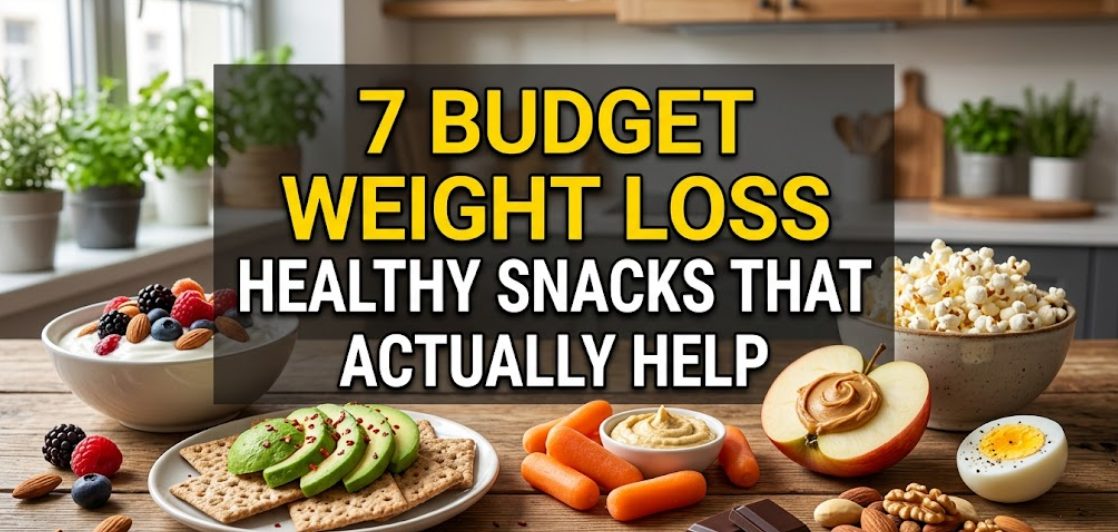
There’s a quiet truth about weight loss that most people discover the hard way: it’s not the big meals that derail progress—it’s the small, impulsive snacks in between. The good news is that snacks don’t have to be the enemy. When chosen carefully, they can actually support fat loss, stabilize energy, and reduce overeating later in the day.
This article explores seven budget-friendly healthy snacks that are not only affordable but genuinely effective for weight loss. These aren’t trendy, expensive “superfoods.” They’re practical, accessible options you can find in almost any grocery store—and more importantly, stick to long-term.
Along the way, you’ll find data tables, nutritional comparisons, and simple strategies to make these snacks work in real life.
understanding why snacks matter for weight loss
Before diving into the list, it’s important to understand what makes a snack “weight-loss friendly.”
A good snack for fat loss should:
- Keep you full for at least 2–3 hours
- Provide protein, fiber, or both
- Be relatively low in calories
- Prevent blood sugar spikes and crashes
Here’s a quick breakdown:
| Nutrient | Role in Weight Loss | Best Sources |
|---|---|---|
| Protein | Reduces hunger hormones | Eggs, yogurt, legumes |
| Fiber | Slows digestion, keeps you full | Fruits, oats, vegetables |
| Healthy fats | Sustained energy | Nuts, seeds |
| Water content | Adds volume without calories | Fruits, vegetables |
- boiled eggs with a pinch of salt
Eggs are one of the most cost-effective sources of high-quality protein available. They are filling, portable, and incredibly versatile.
Why they work:
- High protein (6–7g per egg)
- Low calorie (~70 kcal per egg)
- Keeps you full longer than carb-heavy snacks
Budget tip:
Buying eggs in trays significantly reduces cost per unit.
Nutritional snapshot:
| Portion | Calories | Protein | Fat | Carbs |
|---|---|---|---|---|
| 1 egg | 70 kcal | 6g | 5g | 1g |
| 2 eggs | 140 kcal | 12g | 10g | 2g |
Practical use:
Have 1–2 boiled eggs as a mid-morning snack instead of biscuits or chips. You’ll likely eat less at lunch without trying.
- roasted chickpeas (chana)
Roasted chickpeas are a staple in many cultures—and for good reason. They are cheap, crunchy, and packed with fiber and plant protein.
Why they work:
- High fiber content keeps you full
- Low glycemic index (steady energy)
- Easy to portion control
Budget tip:
Buy raw chickpeas and roast them at home instead of buying packaged versions.
Homemade basic method:
- Soak overnight
- Boil until soft
- Roast with spices (no excess oil)
Nutritional snapshot:
| Portion (50g) | Calories | Protein | Fiber |
|---|---|---|---|
| Roasted chana | 180 kcal | 9g | 8g |
- yogurt with a small fruit
Plain yogurt paired with fruit creates a powerful combination of protein + natural sugars + probiotics.
Why it works:
- Protein reduces cravings
- Fruit satisfies sweet cravings naturally
- Improves digestion
Budget tip:
Choose plain yogurt instead of flavored varieties—they’re cheaper and contain less sugar.
Snack combo ideas:
- Yogurt + apple slices
- Yogurt + banana
- Yogurt + seasonal fruit
Nutritional comparison:
| Snack Type | Calories | Sugar | Protein |
|---|---|---|---|
| Flavored yogurt | 180 kcal | High | 5g |
| Plain yogurt + fruit | 140 kcal | Natural | 8g |
- peanut butter on whole wheat bread
Peanut butter is calorie-dense, but in controlled portions, it can be extremely effective for weight loss because it keeps you full for longer periods.
Why it works:
- Healthy fats + protein combo
- Prevents hunger spikes
- Satisfying and reduces cravings
Budget tip:
Buy local or store-brand peanut butter instead of premium imported brands.
Ideal portion:
- 1 tablespoon peanut butter
- 1 slice whole wheat bread
Nutritional snapshot:
| Portion | Calories | Protein | Fat |
|---|---|---|---|
| PB (1 tbsp) + bread | 160 kcal | 6g | 9g |
- cucumber and carrot sticks with salt & lemon
This is one of the lowest-calorie snacks you can eat, yet surprisingly satisfying due to its volume and crunch.
Why it works:
- Extremely low in calories
- High water content
- Helps control mindless eating
Budget tip:
Buy seasonal vegetables—they’re cheaper and fresher.
Volume vs calories chart:
| Snack | Weight | Calories |
|---|---|---|
| Chips | 50g | 270 kcal |
| Veg sticks | 200g | 60 kcal |
You can literally eat four times more food for fewer calories.
- oats with water or milk
Oats are often thought of as breakfast, but they work just as well as a snack.
Why they work:
- High in soluble fiber (beta-glucan)
- Keeps you full for hours
- Stabilizes blood sugar
Budget tip:
Buy plain oats in bulk—avoid flavored packets.
Quick snack idea:
- 3 tbsp oats
- Hot water or milk
- Cinnamon or a small fruit
Nutritional snapshot:
| Portion | Calories | Fiber | Protein |
|---|---|---|---|
| 30g oats | 110 kcal | 3g | 4g |
- popcorn (air-popped)
Popcorn is one of the most underrated weight-loss snacks when prepared correctly.
Why it works:
- High volume, low calorie
- Whole grain
- Satisfies cravings for crunchy snacks
Important:
Avoid butter-heavy or packaged popcorn.
Nutritional comparison:
| Type | Calories (3 cups) | Fat |
|---|---|---|
| Air-popped | 90 kcal | 1g |
| Butter popcorn | 300+ kcal | High |
Budget tip:
Buy raw kernels and pop them at home.
how these snacks compare overall
Here’s a quick comparison of all seven snacks:
| Snack | Calories | Protein | Fiber | Cost Level |
|---|---|---|---|---|
| Boiled eggs | Low | High | Low | Very cheap |
| Roasted chickpeas | Medium | Medium | High | Cheap |
| Yogurt + fruit | Medium | Medium | Medium | Affordable |
| Peanut butter bread | Medium | Medium | Low | Affordable |
| Veg sticks | Very low | Low | Medium | Very cheap |
| Oats | Low | Medium | Medium | Very cheap |
| Popcorn | Low | Low | Medium | Very cheap |
simple snack timing strategy
Even the healthiest snacks won’t help if used incorrectly.
Best times to snack:
- Mid-morning (10–11 AM)
- Mid-afternoon (3–5 PM)
Avoid:
- Late-night snacking out of boredom
- Eating snacks immediately after meals
A simple structure:
| Time | Action |
|---|---|
| Breakfast | Balanced meal |
| Mid-morning | Snack |
| Lunch | Main meal |
| Afternoon | Snack |
| Dinner | Light meal |
common mistakes to avoid
- overeating “healthy” snacks
Even healthy food can cause weight gain if portions are too large. - choosing low-fat but high-sugar options
Many “diet snacks” are misleading. - skipping protein
Snacks without protein won’t keep you full. - emotional snacking
Eating out of stress defeats the purpose of planned snacking.
real-life example daily plan
Here’s how someone might use these snacks in a real day:
| Meal | Food |
|---|---|
| Breakfast | Oats + banana |
| Snack 1 | Boiled egg |
| Lunch | Rice + vegetables + protein |
| Snack 2 | Roasted chickpeas |
| Dinner | Light meal |
| Optional | Yogurt |
This approach prevents hunger spikes and reduces overeating naturally.
final thoughts
Weight loss doesn’t require expensive foods, complicated recipes, or extreme diets. Often, it’s about replacing poor snack choices with smarter ones.
The seven snacks in this guide are:
- Affordable
- Accessible
- Nutritionally effective
If used consistently and in proper portions, they can quietly transform your eating habits—and ultimately, your body.
frequently asked questions
- can i eat snacks and still lose weight
Yes. In fact, smart snacking can prevent overeating during meals and improve overall calorie control. - how many snacks should i eat per day
Typically 1–2 snacks per day is enough for most people, depending on activity level. - are low-calorie snacks always better
Not necessarily. Snacks with protein and fiber are more important than just low calories. - can i eat these snacks at night
It’s better to avoid late-night snacking unless you’re genuinely hungry. If needed, choose light options like yogurt or vegetables. - how do i control portion sizes
Use small plates, pre-measure servings, and avoid eating directly from large containers. - how long before i see results
If combined with a calorie-controlled diet, you may start noticing changes within 2–4 weeks.