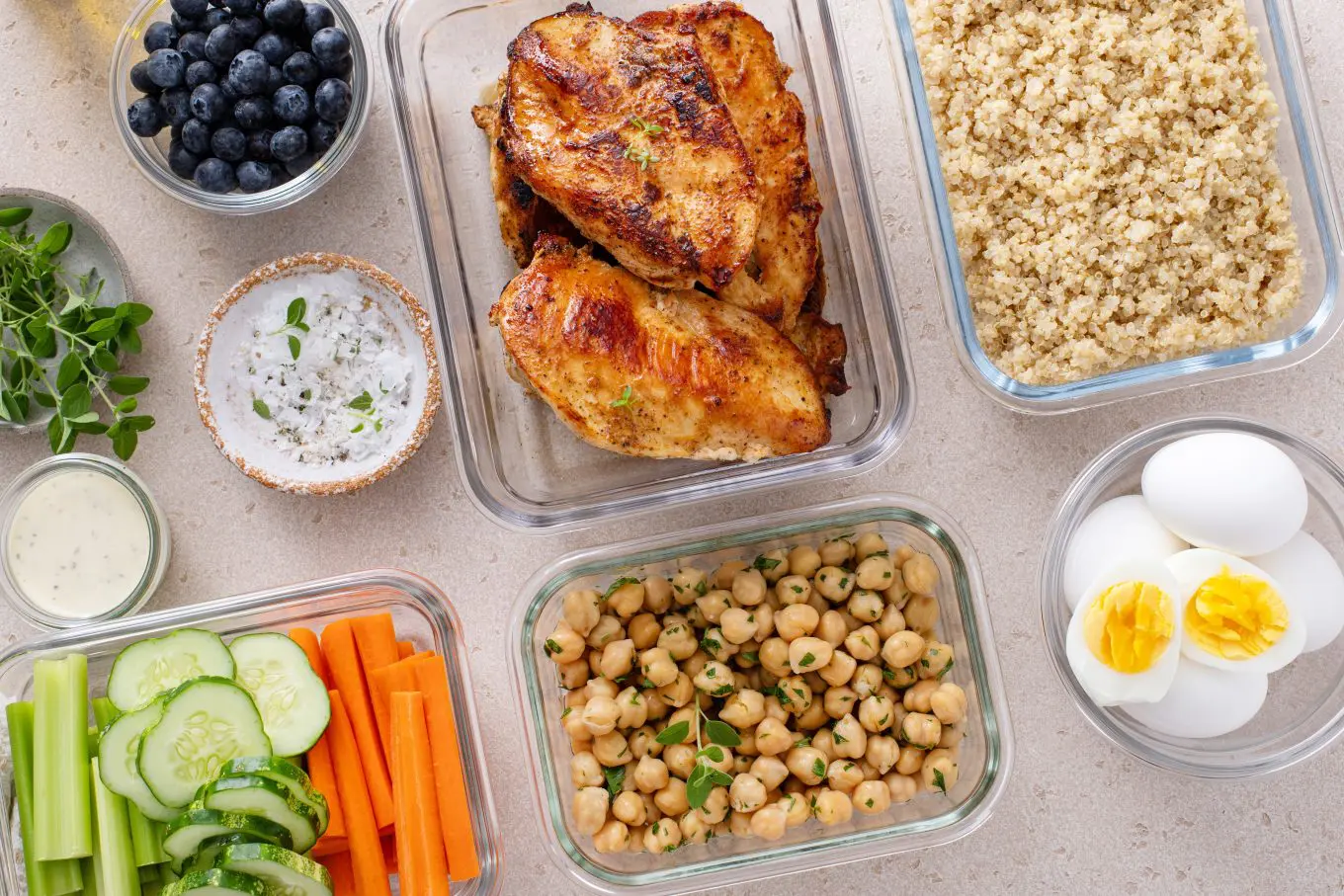
If you’ve ever tried to build muscle while juggling work, studies, or just the unpredictability of daily life, you already know the hardest part isn’t lifting weights—it’s consistently fueling your body. Protein intake tends to fall apart between meals, especially when you’re busy or tired. That’s where smart snacking comes in.
Not all snacks are equal, though. Some leave you hungry an hour later, while others quietly support recovery, strength, and lean muscle growth. The difference lies in nutrient density, protein quality, and how well the snack fits into real life.
This article breaks down five powerful, practical, high-protein snacks that actually support muscle gain. You’ll also find tables, comparisons, and useful breakdowns to help you make informed choices instead of guessing.
why protein timing and snacks matter more than you think
Muscle growth depends on a process called muscle protein synthesis (MPS). Every time you eat protein, especially in doses of 20–40 grams, your body gets a signal to repair and grow muscle tissue.
The problem? Most people eat protein in just two big meals. That creates long gaps where the body has nothing to work with.
Snacks help solve this.
Instead of:
- Breakfast (low protein)
- Lunch (moderate)
- Dinner (high protein)
You shift to:
- Breakfast (moderate protein)
- Snack (protein boost)
- Lunch (moderate)
- Snack (protein boost)
- Dinner (high protein)
This keeps your body in a more anabolic (muscle-building) state throughout the day.
quick overview table: ideal snack criteria
| Factor | Ideal Range | Why It Matters |
|---|---|---|
| Protein per snack | 15–35g | Supports muscle repair and growth |
| Calories | 150–400 kcal | Enough energy without overeating |
| Prep time | Under 10 minutes | Sustainability |
| Portability | High | Helps you stay consistent |
| Nutrient balance | Protein + carbs + fats | Better absorption and satiety |
- greek yogurt with nuts and seeds
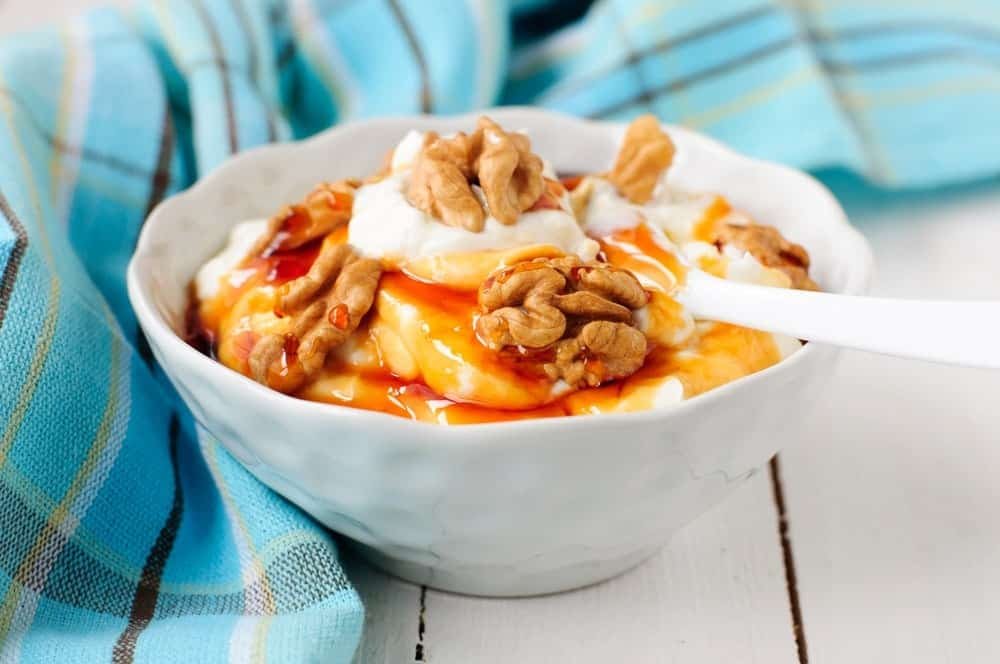
This is one of the simplest yet most effective snacks you can build. It’s widely available, requires almost no preparation, and delivers a strong protein punch.
What makes it powerful isn’t just the protein—it’s the combination of slow-digesting dairy protein and healthy fats.
typical breakdown
| Component | Quantity | Protein | Calories |
|---|---|---|---|
| Greek yogurt | 200g | 18–22g | 120–150 |
| Almonds | 15g | 3g | 90 |
| Chia seeds | 10g | 2g | 50 |
| Total | — | ~25g | ~260–290 |
why it works
- Greek yogurt contains casein protein, which digests slowly and supports sustained muscle repair.
- Nuts and seeds provide healthy fats that stabilize energy levels.
- The combination prevents blood sugar crashes, keeping you full longer.
when to eat it
- Mid-morning
- Before bed (casein protein is excellent overnight)
variation ideas
- Add berries for antioxidants
- Add honey if you need quick carbs after a workout
- Swap almonds for walnuts or pistachios
- boiled eggs with whole grain toast
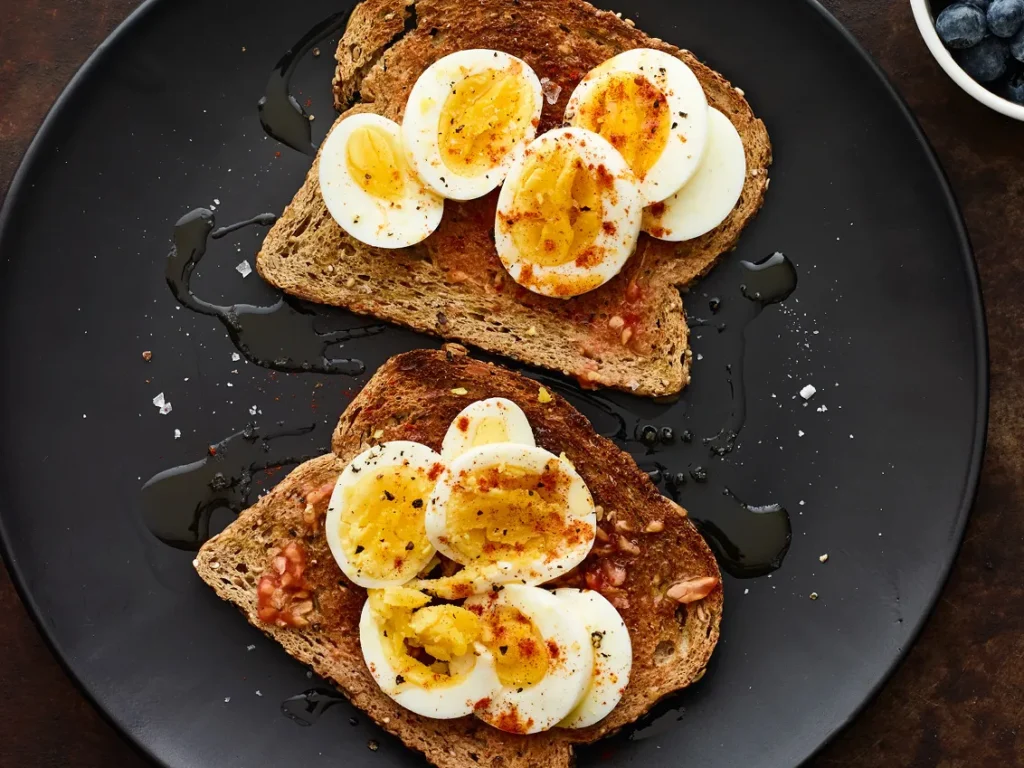
Eggs are often called a “complete protein,” and for good reason. They contain all essential amino acids in the right proportions.
Paired with whole grain toast, this snack becomes both anabolic and energizing.
nutritional snapshot
| Component | Quantity | Protein | Calories |
|---|---|---|---|
| Boiled eggs | 3 large | 18g | 210 |
| Whole grain toast | 1 slice | 4g | 80–100 |
| Total | — | ~22g | ~300 |
why it works
- Eggs are rich in leucine, a key amino acid that directly triggers muscle growth.
- Whole grains provide complex carbohydrates for sustained energy.
- The combination is ideal for both muscle building and performance.
when to eat it
- Pre-workout (1–2 hours before)
- Afternoon snack
pro tip
If cholesterol is a concern, you can do:
- 2 whole eggs + 2 egg whites
This keeps protein high while reducing fat content.
- protein smoothie with banana and peanut butter
When you don’t feel like eating, drinking your nutrition can be a game-changer. A well-made smoothie is fast, customizable, and extremely effective.
basic recipe
- 1 scoop protein powder (whey or plant-based)
- 1 banana
- 1 tablespoon peanut butter
- 250 ml milk (or plant milk)
nutritional breakdown
| Component | Protein | Calories |
|---|---|---|
| Protein powder | 20–25g | 100–130 |
| Banana | 1g | 90 |
| Peanut butter | 4g | 90 |
| Milk | 6–8g | 80–120 |
| Total | ~30–35g | ~360–430 |
why it works
- Fast digestion post-workout (especially whey protein)
- Balanced macros: protein + carbs + fats
- Easy to consume even when appetite is low
when to use it
- Post-workout (best timing)
- As a meal replacement when busy
advanced tip
Add oats for extra carbs if you’re in a bulking phase.
- cottage cheese with fruit
Cottage cheese is underrated. It’s affordable, high in protein, and incredibly versatile.
Like Greek yogurt, it contains casein protein, making it ideal for slow digestion.
nutrition table
| Component | Quantity | Protein | Calories |
|---|---|---|---|
| Cottage cheese | 200g | 22–25g | 180–220 |
| Apple or berries | 1 serving | 1g | 60–90 |
| Total | — | ~23–26g | ~240–300 |
why it works
- High protein with minimal effort
- Fruit adds fiber and micronutrients
- Keeps you full for hours
when to eat it
- Evening snack
- Before bed
flavor upgrade ideas
- Cinnamon + apple slices
- Pineapple chunks
- A drizzle of honey
- roasted chickpeas or lentil snack mix
Not all high-protein snacks need to be animal-based. Chickpeas and lentils are excellent plant-based options that also provide fiber.
nutrition snapshot
| Component | Quantity | Protein | Calories |
|---|---|---|---|
| Roasted chickpeas | 100g | 18–20g | 350–400 |
why it works
- High in both protein and fiber
- Crunchy and satisfying (helps replace junk snacks)
- Long shelf life and easy to carry
when to eat it
- On the go
- At work or school
quick preparation
- Toss chickpeas with olive oil, salt, and spices
- Roast at 200°C for 25–30 minutes
comparison chart: which snack is best for your goal
| Snack | Protein | Best For | Digestion Speed |
|---|---|---|---|
| Greek yogurt + nuts | ~25g | Balanced nutrition | Slow |
| Eggs + toast | ~22g | Energy + muscle | Moderate |
| Protein smoothie | ~30g | Post-workout recovery | Fast |
| Cottage cheese + fruit | ~24g | Night recovery | Slow |
| Roasted chickpeas | ~18g | Plant-based option | Moderate |
how to combine snacks for maximum muscle gain
If you’re serious about muscle gain, one snack isn’t enough. It’s about building a system.
sample daily structure
| Time | Meal Type | Protein |
|---|---|---|
| 8:00 AM | Breakfast | 25g |
| 11:00 AM | Snack | 20–25g |
| 2:00 PM | Lunch | 30g |
| 5:00 PM | Snack (pre-workout) | 20g |
| 7:00 PM | Post-workout | 30g |
| 9:00 PM | Dinner | 25g |
| 11:00 PM | Snack | 20g |
| Total | — | 170–180g |
common mistakes people make with protein snacks
- relying on low-protein snacks
Many snacks marketed as “healthy” have very little protein. Granola bars, for example, often contain more sugar than protein. - ignoring total daily intake
Snacks help, but they don’t replace proper meals. Your total daily protein matters most. - overeating calories
Some high-protein snacks (like nuts) are calorie-dense. Balance is key. - skipping post-workout nutrition
This is one of the best times to consume protein, yet many people miss it.
faq section
- how much protein do i actually need for muscle gain?
Most research suggests around 1.6 to 2.2 grams of protein per kilogram of body weight per day. For example, if you weigh 70 kg, aim for roughly 110–150 grams daily.
- are plant-based snacks as effective as animal-based ones?
Yes, but they often require slightly larger portions or combinations to match amino acid profiles. Mixing foods like lentils, beans, and grains helps.
- can i eat these snacks every day?
Absolutely. In fact, consistency is what makes them effective. Just vary ingredients to avoid boredom and ensure a wide nutrient intake.
- is it okay to snack late at night?
Yes, especially if the snack contains slow-digesting protein like cottage cheese or yogurt. It can actually support overnight muscle recovery.
- what’s the best snack right after a workout?
A protein smoothie is one of the best options because it’s fast-digesting and easy to consume.
- can snacks replace meals?
Not entirely. Snacks are meant to supplement meals, not replace them long-term. However, a well-balanced smoothie can occasionally act as a meal substitute.
final thoughts
Muscle gain isn’t just about lifting heavier weights—it’s about giving your body the resources it needs to adapt and grow. High-protein snacks bridge the gap between meals and keep your body in a constant state of repair and development.
You don’t need complicated recipes or expensive supplements. The five snacks in this article are simple, flexible, and proven to work when used consistently.
Start small. Pick two or three that fit your lifestyle, build them into your daily routine, and adjust based on your results. Over time, these small habits add up—and that’s where real muscle growth happens.