Feeding kids is rarely as simple as it sounds. You’re not just dealing with hunger—you’re dealing with preferences, moods, routines, and sometimes a strong resistance to anything that looks remotely “healthy.” Add a limited budget into the mix, and it becomes even more challenging.
But here’s the surprising part: some of the most loved snacks among kids are also the simplest and cheapest to prepare. They don’t require fancy ingredients or complicated recipes. What they do require is a bit of creativity, a sense of balance, and a willingness to keep things practical.
This guide focuses on snacks that tick all the important boxes—they’re affordable, easy to make, nutritionally balanced, and most importantly, actually enjoyed by kids.
why budget-friendly healthy snacks matter for kids
Children need consistent energy throughout the day. Their bodies are growing, their brains are developing, and they burn energy quickly through play and learning. Snacks play a crucial role in maintaining that energy between meals.
However, many packaged snacks marketed toward children are high in sugar, low in nutrients, and often expensive. Over time, this combination can affect both health and spending habits.
Here’s a quick comparison:
| Snack Type | Cost Level | Nutrition Value | Kid Appeal | Long-Term Benefit |
|---|---|---|---|---|
| Packaged sugary snacks | Medium-High | Low | High | Low |
| Homemade healthy snacks | Low | High | High | High |
The goal is to find options that balance all four columns—without making life harder.
what makes a snack “kid-friendly” and effective
Not all healthy foods are automatically appealing to kids. The snacks that work tend to have a few things in common:
- Easy to eat (no complicated textures)
- Visually appealing or fun
- Mild, familiar flavors
- Quick to prepare
- Affordable ingredients
Think of snacks as small, enjoyable experiences rather than just nutrition.
- banana peanut butter bites
This snack is simple, sweet, and satisfying. Slice a banana into small rounds and add a thin layer of peanut butter between two slices to create mini “sandwiches.”
Why kids love it:
- Naturally sweet taste
- Fun bite-sized pieces
- Soft and easy to chew
Why parents love it:
- No cooking required
- Very affordable
- Contains both energy and protein
Nutrition snapshot:
| Component | Value |
|---|---|
| Protein | 6–8g |
| Calories | 150–180 |
| Prep time | 5 minutes |
- yogurt and fruit cups
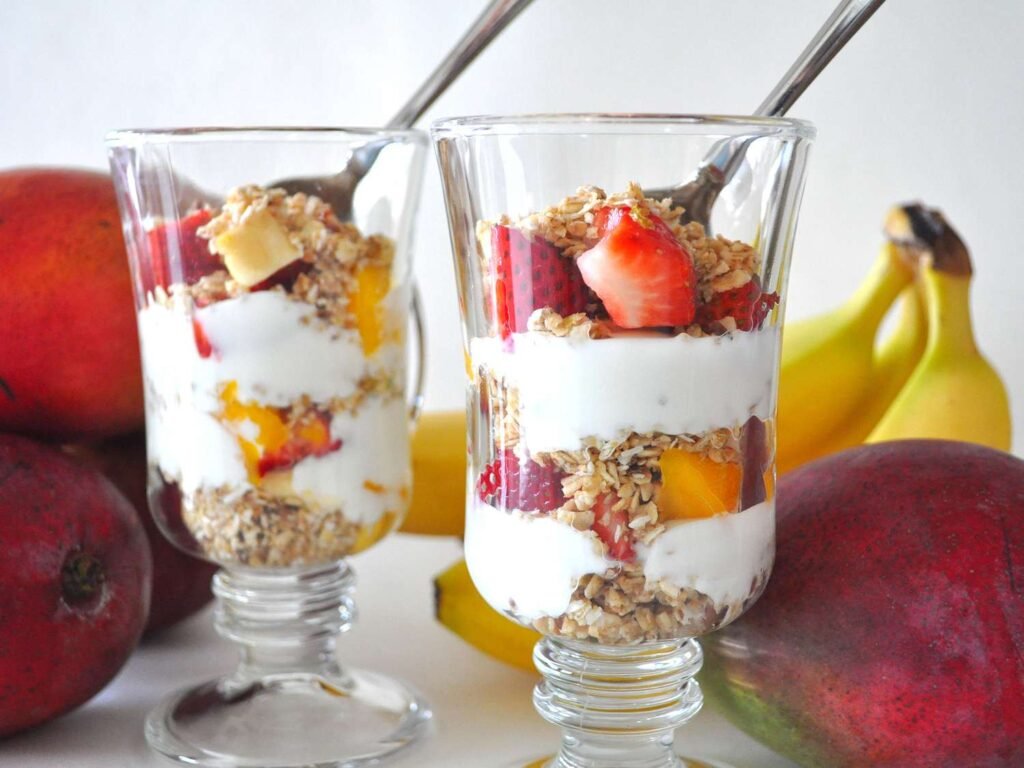
This snack feels like a treat while still being healthy.
Layer plain or lightly sweetened yogurt with chopped fruits like bananas, apples, or seasonal berries. You can even let kids build their own cups.
Why it works:
- Creamy and slightly sweet
- Customizable
- Encourages kids to interact with food
| Nutrient | Amount |
|---|---|
| Protein | 8–12g |
| Calcium | High |
| Calories | 120–180 |
Fun idea chart:
| Add-in | Effect |
|---|---|
| Honey | Extra sweetness |
| Oats | More texture |
| Nuts (crushed) | Added crunch |
- homemade popcorn
Popcorn is one of the most budget-friendly snacks you can make—and kids usually love it.
Air-popped or lightly cooked popcorn can be seasoned with a pinch of salt or even a small sprinkle of cinnamon for variety.
Why it works:
- Light and crunchy
- Fun to eat
- Very low cost
| Metric | Value |
|---|---|
| Calories | ~100 |
| Fiber | 3–4g |
| Cost | Very low |
- cheese and whole grain crackers
This snack strikes a balance between taste and nutrition.
Cut cheese into small cubes or slices and serve with whole grain crackers. It’s simple but surprisingly satisfying.
Why kids enjoy it:
- Mild flavor
- Easy to hold and eat
- Feels like a “grown-up” snack
| Component | Value |
|---|---|
| Protein | 7–10g |
| Calcium | High |
| Calories | 150–200 |
- apple slices with peanut butter dip
Apples alone can sometimes feel boring to kids, but pairing them with a dip changes everything.
Slice apples into thin wedges and serve with a small portion of peanut butter.
Why it works:
- Combines crunch and creaminess
- Naturally sweet
- Encourages fruit consumption
| Nutrient | Amount |
|---|---|
| Fiber | 4–5g |
| Protein | 6–8g |
| Calories | 180–220 |
- mini egg sandwiches
Boiled eggs can be turned into something more appealing by making mini sandwiches.
Mash boiled eggs with a little yogurt or light mayo, spread on bread, and cut into small squares.
Why it works:
- Familiar sandwich format
- Soft texture
- High protein content
| Metric | Value |
|---|---|
| Protein | 10–12g |
| Calories | ~200 |
| Prep time | 10 minutes |
- roasted chickpea snack mix
For kids who enjoy crunchy snacks, roasted chickpeas can be a great alternative to chips.
You can mix them with a few raisins or peanuts to create a simple snack mix.
Why it works:
- Crunchy and flavorful
- Budget-friendly
- Rich in fiber and protein
| Nutrient | Amount |
|---|---|
| Protein | 10–12g |
| Fiber | High |
| Calories | ~200 |
weekly kids snack planner
Planning snacks ahead reduces stress and makes healthy choices easier.
| Day | Snack Option |
|---|---|
| Monday | Banana peanut butter bites |
| Tuesday | Yogurt + fruit cup |
| Wednesday | Popcorn |
| Thursday | Cheese + crackers |
| Friday | Apple + peanut butter |
| Saturday | Mini egg sandwiches |
| Sunday | Chickpea mix |
budget comparison chart
Understanding cost differences can help you make better long-term decisions.
| Snack Category | Weekly Cost | Monthly Cost |
|---|---|---|
| Packaged snacks | High | Very High |
| Homemade snacks | Low | Low |
Savings estimate:
| Scenario | Savings (%) |
|---|---|
| Switching to homemade | 30–50% |
tips for getting kids to actually eat healthy snacks
Even the best snack ideas won’t work if kids refuse to eat them. A few simple strategies can make a big difference.
Make it fun
Cut food into shapes or create small snack “plates” with variety.
Involve kids in preparation
When children help prepare snacks, they’re more likely to eat them.
Keep portions small
Large portions can feel overwhelming. Smaller servings encourage trying new foods.
Stay consistent
It may take multiple attempts before a child accepts a new snack.
common mistakes to avoid
Relying too much on packaged “healthy” snacks
Many are expensive and not as nutritious as they seem.
Forcing kids to eat
This can create negative associations with food.
Ignoring preferences completely
Balance nutrition with what your child actually enjoys.
long-term impact of better snacking
Healthy snacking habits formed in childhood often carry into adulthood. By introducing balanced, affordable options early, you’re not just solving today’s hunger—you’re shaping long-term behavior.
Benefits over time may include:
- Better energy levels
- Improved concentration
- Healthier food choices later in life
faqs
- how often should kids have snacks?
Most children benefit from 1–2 snacks per day, depending on their age and activity level. - are these snacks suitable for school lunches?
Yes, many of these options are portable and easy to pack. - what if my child is a picky eater?
Start with familiar flavors and gradually introduce new ingredients alongside favorites. - can I prepare these snacks in advance?
Absolutely. Snacks like boiled eggs, chickpeas, and popcorn can be prepared ahead of time. - are these snacks safe for younger children?
Most are, but always adjust portion sizes and textures to avoid choking risks. - how do I keep snacks interesting?
Rotate options weekly and experiment with small variations in flavor and presentation.
final thoughts
Feeding kids well doesn’t require expensive ingredients or complicated recipes. In fact, the opposite is often true. The most effective snacks are the ones that are simple, affordable, and easy to repeat.
What matters most isn’t perfection—it’s consistency. A handful of reliable snack options can make daily life smoother, reduce stress, and support your child’s growth in a meaningful way.
Start with one or two ideas from this list, see what your kids enjoy, and build from there. Over time, those small choices will turn into habits—and those habits will last far longer than any single snack.