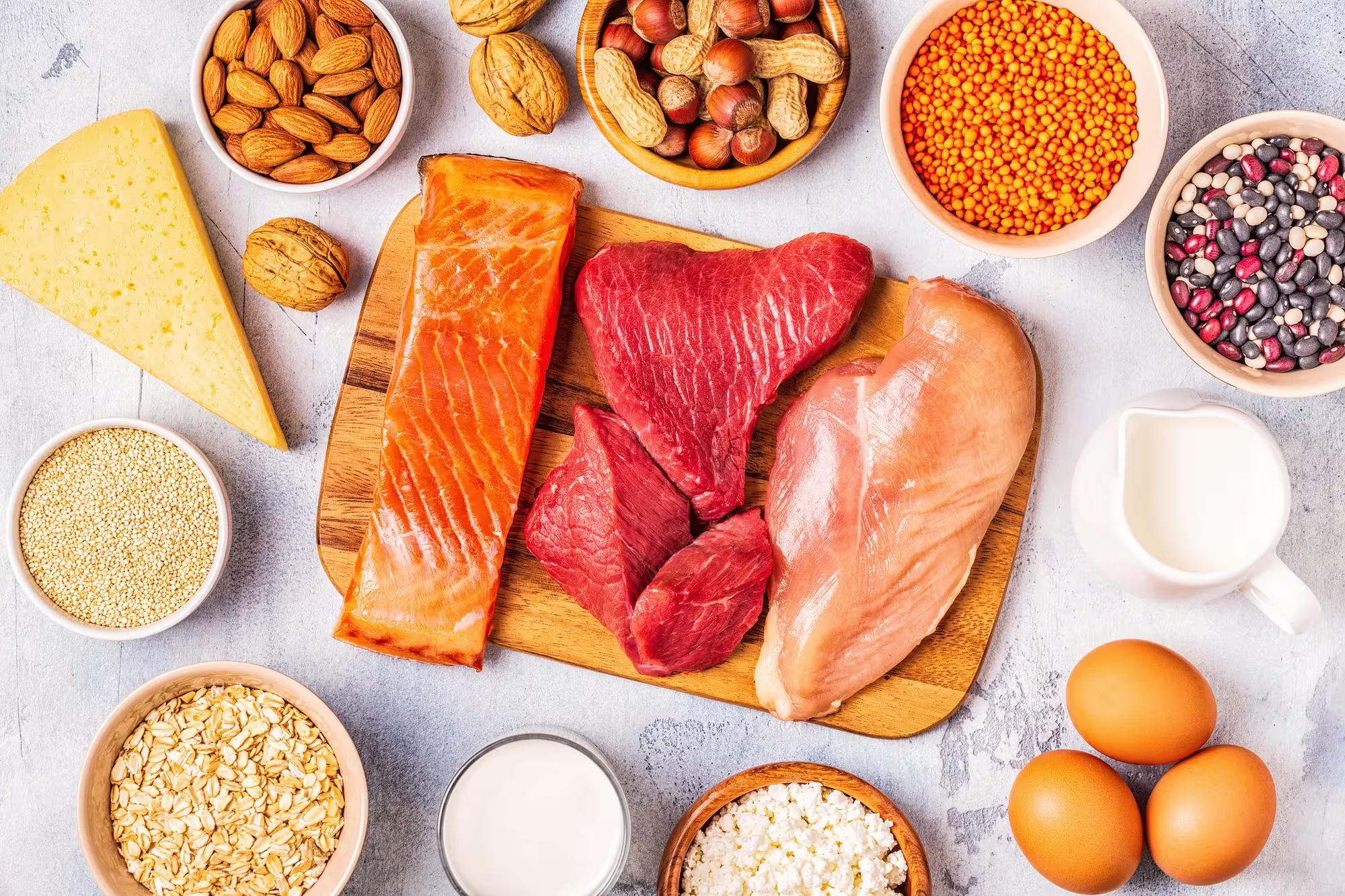
Starting a healthier lifestyle often feels overwhelming, especially when it comes to food choices. One of the simplest and most effective changes you can make is adding high-protein snacks into your daily routine. Protein is not just for bodybuilders—it plays a vital role in repairing tissues, maintaining muscle mass, stabilizing blood sugar levels, and keeping you full for longer.
For beginners, the key is simplicity. You don’t need complex recipes or expensive ingredients. The best high-protein snacks are easy to prepare, accessible, and enjoyable enough that you’ll stick with them long term.
This guide walks you through eight essential high-protein healthy snacks, complete with practical insights, nutrition tables, and helpful comparisons to make your choices easier.
why protein matters for beginners
Protein is often called the “building block” of the body. Every cell contains protein, and your body uses it to repair and build tissues. When you eat protein-rich snacks, you’re not just fueling your body—you’re improving satiety and supporting steady energy levels.
Here’s what protein does for beginners:
- Keeps you full longer, reducing overeating
- Helps stabilize blood sugar levels
- Supports muscle maintenance and growth
- Aids recovery after physical activity
- Encourages better metabolism
how much protein do you really need?
For beginners, a simple guideline is:
| Activity Level | Protein Intake (per kg body weight) |
|---|---|
| Sedentary | 0.8 g |
| Lightly Active | 1.0 g |
| Moderately Active | 1.2–1.5 g |
| Highly Active | 1.6–2.2 g |
Example:
If you weigh 70 kg and are moderately active, aim for 84–105 grams of protein per day.
Snacks can easily contribute 20–40 grams of that total.
- greek yogurt with nuts and seeds
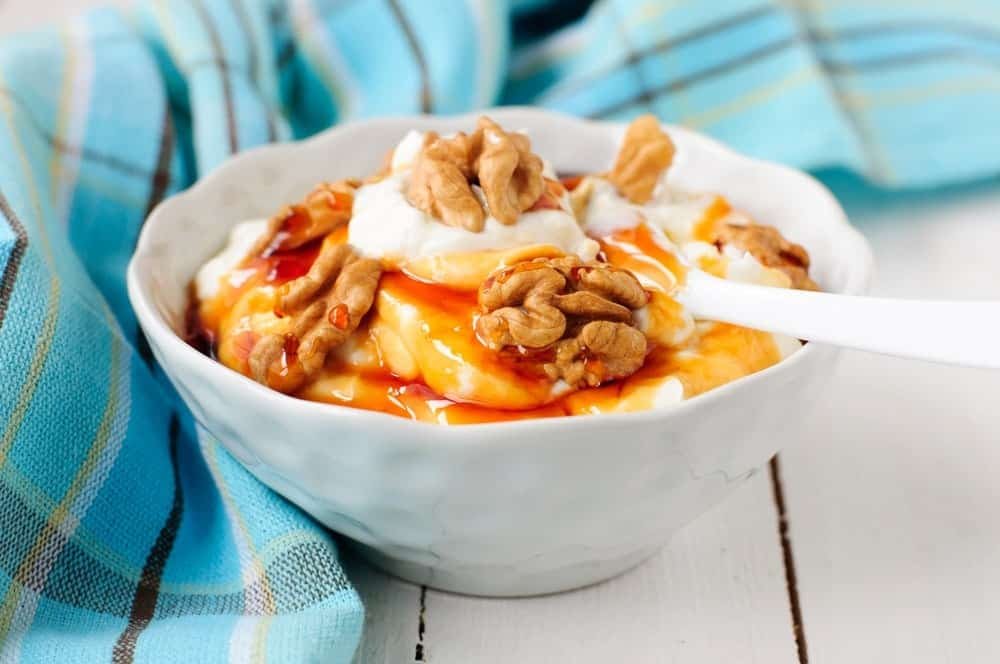
Greek yogurt is one of the easiest high-protein snacks available. It’s thick, creamy, and packed with protein compared to regular yogurt.
Why it works:
- High protein content
- Contains probiotics for gut health
- Quick and versatile
Simple combination:
- 1 cup Greek yogurt
- 1 tablespoon almonds
- 1 teaspoon chia seeds
nutrition breakdown:
| Nutrient | Amount |
|---|---|
| Calories | 220 |
| Protein | 18–20g |
| Fat | 8g |
| Carbs | 15g |
Beginner tip:
Choose plain yogurt and add your own toppings to avoid excess sugar.
- boiled eggs with black pepper
Eggs are one of the most complete protein sources, containing all nine essential amino acids.
Why it works:
- Affordable and widely available
- Easy to prepare in bulk
- Highly nutritious
Quick serving:
- 2 boiled eggs
- Sprinkle of black pepper and salt
nutrition breakdown:
| Nutrient | Amount |
|---|---|
| Calories | 140 |
| Protein | 12g |
| Fat | 10g |
| Carbs | 1g |
Beginner tip:
Boil several eggs at once and store them in the fridge for quick access.
- cottage cheese with fruit
Cottage cheese is often underrated but incredibly rich in protein. Pairing it with fruit balances taste and nutrition.
Why it works:
- High in casein protein (slow-digesting)
- Great for evening snacks
- Keeps you full longer
Simple combination:
- 1/2 cup cottage cheese
- Sliced pineapple or berries
nutrition breakdown:
| Nutrient | Amount |
|---|---|
| Calories | 180 |
| Protein | 14g |
| Fat | 5g |
| Carbs | 12g |
Beginner tip:
Start with small portions if you’re not used to the texture.
- peanut butter with apple slices
This snack combines healthy fats, fiber, and protein.
Why it works:
- Sweet and satisfying
- Requires no cooking
- Good balance of macros
Serving idea:
- 1 medium apple
- 1 tablespoon peanut butter
nutrition breakdown:
| Nutrient | Amount |
|---|---|
| Calories | 190 |
| Protein | 5g |
| Fat | 8g |
| Carbs | 25g |
Beginner tip:
Choose natural peanut butter without added sugar or hydrogenated oils.
- protein smoothies (simple version)
A protein smoothie is perfect for beginners who prefer drinking their nutrition.
Why it works:
- Fast and customizable
- Ideal post-workout snack
- Can include multiple nutrients
Basic recipe:
- 1 scoop protein powder
- 1 banana
- 1 cup milk or almond milk
nutrition breakdown:
| Nutrient | Amount |
|---|---|
| Calories | 250 |
| Protein | 20–25g |
| Fat | 4g |
| Carbs | 30g |
Beginner tip:
Start with simple ingredients before experimenting with complex blends.
- roasted chickpeas
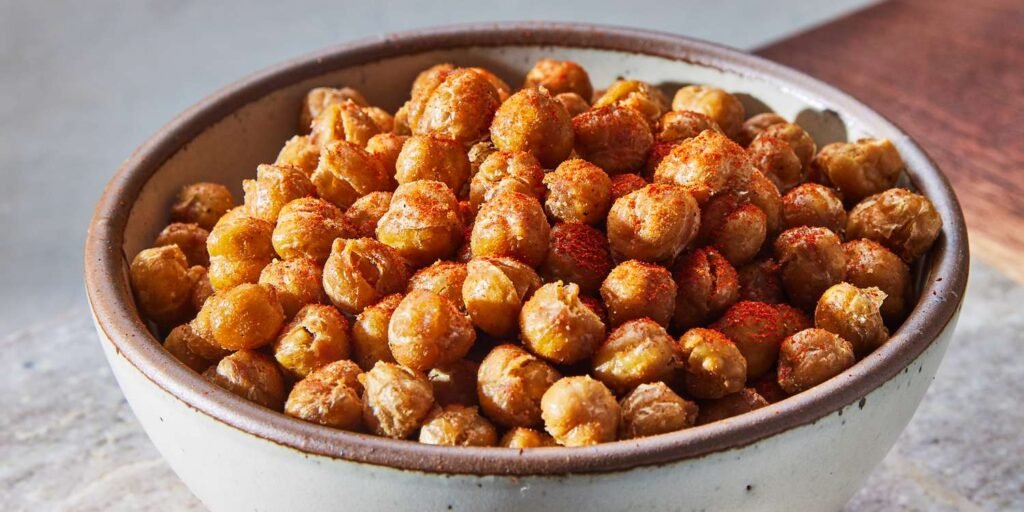
Chickpeas are a plant-based protein option that also provide fiber.
Why it works:
- Crunchy and satisfying
- Budget-friendly
- Long shelf life
Simple preparation:
- Toss chickpeas with olive oil and spices
- Roast until crispy
nutrition breakdown:
| Nutrient | Amount |
|---|---|
| Calories | 180 |
| Protein | 9g |
| Fat | 4g |
| Carbs | 25g |
Beginner tip:
Make a large batch and store in an airtight container.
- tuna on whole grain crackers
Tuna is an excellent lean protein source, especially for quick meals.
Why it works:
- High protein, low fat
- Convenient canned option
- Great for savory cravings
Serving idea:
- 1/2 can tuna
- 3–4 whole grain crackers
nutrition breakdown:
| Nutrient | Amount |
|---|---|
| Calories | 160 |
| Protein | 18g |
| Fat | 2g |
| Carbs | 12g |
Beginner tip:
Add a squeeze of lemon or a bit of yogurt instead of mayo.
- hummus with vegetables
Hummus is made from chickpeas and offers a moderate protein boost along with fiber.
Why it works:
- Plant-based option
- Rich in healthy fats
- Pairs well with vegetables
Serving idea:
- 2 tablespoons hummus
- Carrot and cucumber sticks
nutrition breakdown:
| Nutrient | Amount |
|---|---|
| Calories | 150 |
| Protein | 5g |
| Fat | 7g |
| Carbs | 15g |
Beginner tip:
Use fresh vegetables to keep the snack low in calories but high in nutrients.
comparison chart of all snacks
| Snack | Protein | Calories | Prep Time | Best For |
|---|---|---|---|---|
| Greek yogurt + nuts | 20g | 220 | 2 min | Breakfast/snack |
| Boiled eggs | 12g | 140 | 10 min | Anytime |
| Cottage cheese + fruit | 14g | 180 | 3 min | Evening |
| Apple + peanut butter | 5g | 190 | 2 min | Sweet cravings |
| Protein smoothie | 25g | 250 | 5 min | Post-workout |
| Roasted chickpeas | 9g | 180 | 25 min | Crunchy snack |
| Tuna + crackers | 18g | 160 | 3 min | Quick meal |
| Hummus + vegetables | 5g | 150 | 2 min | Light snack |
weekly snack planning example
| Day | Snack Option |
|---|---|
| Monday | Greek yogurt + nuts |
| Tuesday | Boiled eggs |
| Wednesday | Cottage cheese + fruit |
| Thursday | Protein smoothie |
| Friday | Tuna + crackers |
| Saturday | Roasted chickpeas |
| Sunday | Hummus + vegetables |
This rotation helps prevent boredom and ensures a variety of nutrients.
common beginner mistakes to avoid
- relying too much on processed protein bars
Many bars contain added sugars and artificial ingredients. - ignoring portion sizes
Even healthy snacks can lead to excess calories if overeaten. - skipping snacks entirely
This often leads to overeating during main meals. - choosing low-protein options
Snacks like chips or biscuits don’t provide satiety. - overcomplicating recipes
Keep it simple to stay consistent.
how to build your own high protein snack
A balanced snack usually includes:
- Protein source (eggs, yogurt, legumes)
- Healthy fat (nuts, seeds)
- Fiber (fruits, vegetables, whole grains)
Quick formula:
Protein + Fiber + Healthy Fat = Balanced Snack
Example:
Greek yogurt + berries + chia seeds
long-term benefits of high protein snacking
When done consistently, high-protein snacking can:
- Improve appetite control
- Support weight management
- Enhance muscle recovery
- Increase daily energy levels
- Reduce cravings for unhealthy foods
FAQs
- what is the best high-protein snack for beginners?
Greek yogurt with nuts is one of the best options because it is simple, nutritious, and requires no cooking.
- can I eat high-protein snacks every day?
Yes, daily consumption is safe and beneficial as long as your total protein intake remains balanced.
- are plant-based protein snacks effective?
Absolutely. Options like chickpeas and hummus provide both protein and fiber, making them excellent choices.
- how many protein snacks should I eat daily?
Most beginners benefit from 1–2 protein snacks per day, depending on their total calorie needs.
- can high-protein snacks help with weight loss?
Yes, they help control hunger and reduce overeating, which supports weight loss.
- is it necessary to use protein powder?
No, whole food sources like eggs, yogurt, and legumes are more than enough for most beginners.
final thoughts
High-protein snacking doesn’t need to be complicated or expensive. The key is consistency and simplicity. Start with a few options from this list, find what you enjoy, and gradually build a routine that fits your lifestyle.
The goal isn’t perfection—it’s sustainability. When your snacks are both nutritious and enjoyable, healthy eating becomes a habit rather than a challenge.