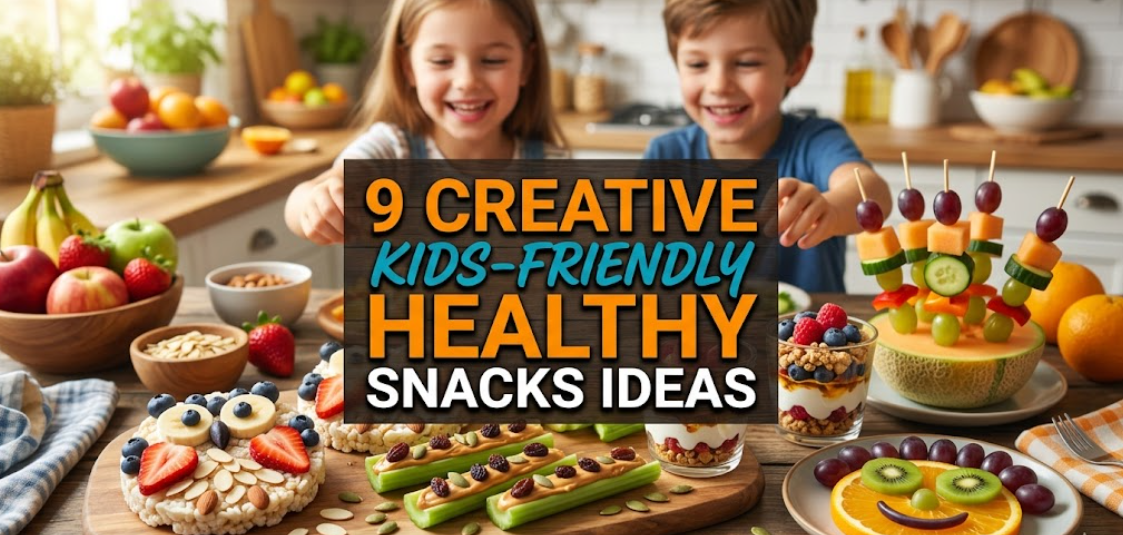
Getting kids to eat healthy snacks can feel like negotiating with tiny food critics who change their preferences daily. One day they love bananas, the next day they act like bananas never existed. The challenge isn’t just nutrition—it’s presentation, texture, fun, and sometimes even storytelling.
The good news is this: kids are far more likely to eat what excites them visually and engages their curiosity. A snack doesn’t have to be complicated to be creative. With a little imagination and a few simple ingredients, you can turn everyday foods into something kids actually want to eat.
This guide explores nine creative, kid-friendly healthy snack ideas that balance nutrition with fun. Along the way, you’ll find tables, combinations, and practical tips to make snack time easier, not harder.
what makes a snack kid-friendly and healthy
Before jumping into ideas, it helps to understand what works for kids.
A successful snack usually checks these boxes:
- visually appealing (colors, shapes, patterns)
- easy to hold or eat
- balanced nutrition (carbs + protein or fat)
- familiar ingredients with a twist
Here’s a quick framework:
| Factor | Why It Matters for Kids |
|---|---|
| Color | attracts attention |
| Texture | affects acceptance |
| Simplicity | reduces resistance |
| Fun element | increases willingness to try |
| Nutrition | supports growth and energy |
- fruit and yogurt parfait cups
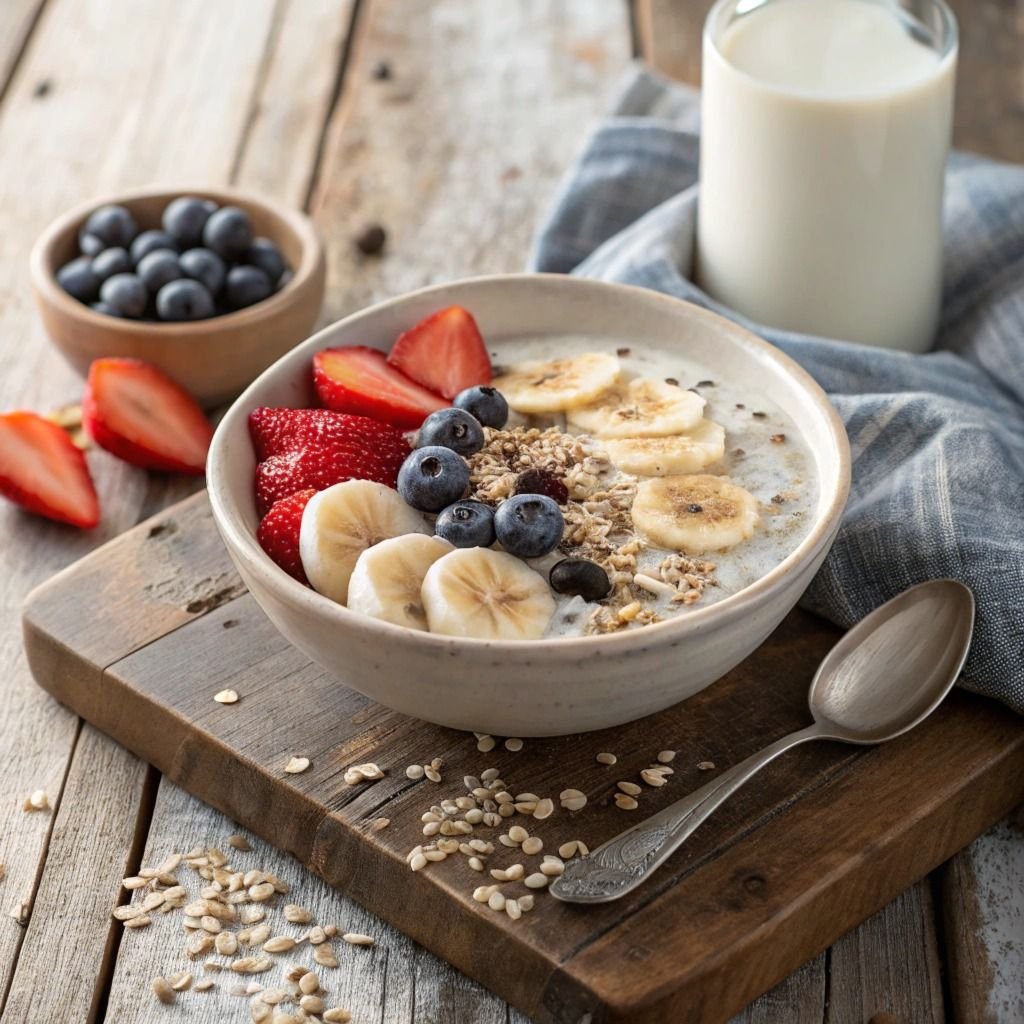
This snack turns simple ingredients into a layered treat that looks like dessert.
what you need:
- plain or flavored yogurt
- granola
- mixed fruits (berries, banana, mango)
how to assemble:
Layer yogurt, fruit, and granola in a clear cup so kids can see the colors.
nutritional overview:
| Nutrient | Approx Value |
|---|---|
| Calories | 150–200 |
| Protein | 8–12g |
| Carbs | 20–25g |
| Fat | 3–6g |
why kids love it
The layers make it feel like a treat rather than a “healthy snack.” Letting kids build their own parfait adds an element of control and fun.
- peanut butter banana roll-ups
A soft, sweet, and easy-to-hold snack.
what you need:
- whole wheat tortilla
- peanut butter
- banana
how to assemble:
Spread peanut butter on the tortilla, place the banana inside, roll it up, and slice into bite-sized pieces.
nutritional overview:
| Nutrient | Approx Value |
|---|---|
| Calories | 180–220 |
| Protein | 6–8g |
| Carbs | 22–28g |
| Fat | 8–10g |
creative twist
Call them “banana sushi” to instantly make them more exciting.
- veggie sticks with fun dips
Raw vegetables become more appealing when paired with a tasty dip.
what you need:
- carrots, cucumbers, bell peppers
- hummus or yogurt-based dip
nutritional overview:
| Nutrient | Approx Value |
|---|---|
| Calories | 100–150 |
| Protein | 4–6g |
| Carbs | 12–15g |
| Fat | 4–6g |
why it works
Kids may resist plain vegetables, but dips turn them into an interactive snack. The act of dipping adds engagement.
dip ideas table:
| Dip Type | Flavor Profile |
|---|---|
| Hummus | savory, creamy |
| Yogurt dip | mild, tangy |
| Peanut sauce | slightly sweet |
- apple sandwiches
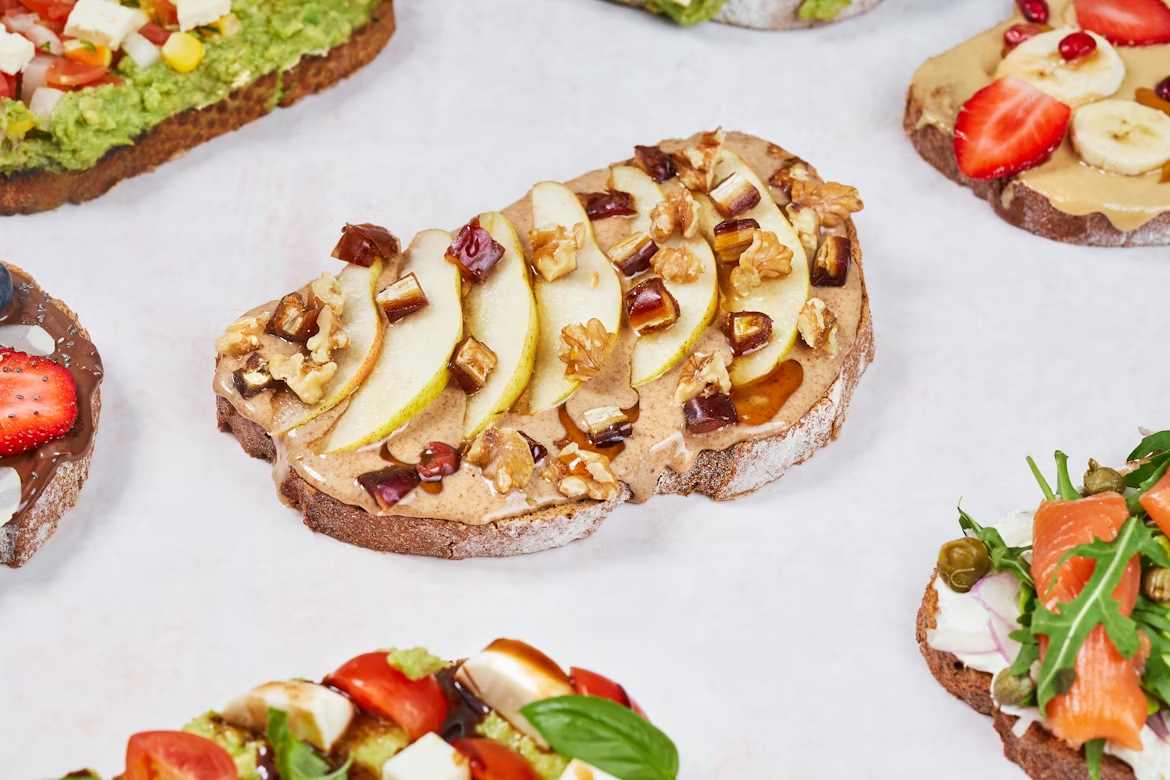
A crunchy, sweet snack that feels playful.
what you need:
- apple slices (round)
- peanut butter
- raisins or granola
how to assemble:
Spread peanut butter between two apple slices and add raisins for texture.
nutritional overview:
| Nutrient | Approx Value |
|---|---|
| Calories | 160–190 |
| Protein | 4–6g |
| Carbs | 20–24g |
| Fat | 7–9g |
fun idea
Add raisins as “teeth” to create a smiling apple face.
- cheese and whole grain crackers shapes
Simple ingredients, but presentation makes the difference.
what you need:
- cheese slices
- whole grain crackers
- cookie cutters
how to assemble:
Cut cheese into fun shapes (stars, hearts) and serve with crackers.
nutritional overview:
| Nutrient | Approx Value |
|---|---|
| Calories | 150–180 |
| Protein | 7–10g |
| Carbs | 12–16g |
| Fat | 8–10g |
why kids love it
Shapes transform ordinary food into something playful and special.
- mini smoothie popsicles
A snack that doubles as a treat, especially in warm weather.
what you need:
- blended fruit (banana, berries)
- yogurt or milk
how to prepare:
Pour the smoothie into molds and freeze.
nutritional overview:
| Nutrient | Approx Value |
|---|---|
| Calories | 80–120 |
| Protein | 3–6g |
| Carbs | 15–20g |
| Fat | 1–3g |
benefit
These feel like dessert but are made from wholesome ingredients.
- egg and toast cut-outs
A protein-rich snack with a playful twist.
what you need:
- boiled or scrambled eggs
- whole grain toast
how to assemble:
Use cookie cutters to shape the toast and place egg pieces on top.
nutritional overview:
| Nutrient | Approx Value |
|---|---|
| Calories | 160–200 |
| Protein | 10–12g |
| Carbs | 14–18g |
| Fat | 7–9g |
why it works
The familiar taste of eggs combined with fun shapes makes it more appealing.
- trail mix (kid-friendly version)
A customizable snack that can be adjusted to preferences.
what you need:
- nuts (if age-appropriate)
- dried fruit
- whole grain cereal
nutritional overview:
| Nutrient | Approx Value |
|---|---|
| Calories | 150–200 |
| Protein | 5–7g |
| Carbs | 18–22g |
| Fat | 6–9g |
customization chart:
| Ingredient Type | Options |
|---|---|
| Nuts | almonds, cashews |
| Dried fruit | raisins, apricots |
| Crunch | cereal, popcorn |
- frozen banana bites with chocolate drizzle
A naturally sweet snack with a touch of indulgence.
what you need:
- banana slices
- small amount of dark chocolate
how to prepare:
Freeze banana slices and drizzle with melted chocolate.
nutritional overview:
| Nutrient | Approx Value |
|---|---|
| Calories | 120–150 |
| Protein | 2–3g |
| Carbs | 18–22g |
| Fat | 4–6g |
why kids enjoy it
It tastes like dessert but contains mostly fruit.
comparison chart of all snack ideas
| Snack | Prep Time | Protein | Best Feature |
|---|---|---|---|
| Yogurt parfait | 5 min | Medium | colorful layers |
| Banana roll-ups | 3 min | Medium | easy to hold |
| Veggies with dip | 5 min | Low | interactive |
| Apple sandwiches | 5 min | Low | fun design |
| Cheese + crackers | 4 min | Medium | shapes |
| Smoothie popsicles | prep ahead | Low | dessert-like |
| Egg + toast | 5 min | High | filling |
| Trail mix | 2 min | Medium | customizable |
| Frozen banana bites | prep ahead | Low | sweet treat |
how to encourage kids to eat healthy snacks
Even the best ideas need the right approach.
practical strategies:
- involve kids in preparation
- offer choices instead of forcing options
- keep portions small and manageable
- avoid labeling foods as “good” or “bad”
engagement ideas table:
| Strategy | Example |
|---|---|
| Choice | “apple or banana snack?” |
| Participation | letting them build parfaits |
| Creativity | naming snacks fun names |
common mistakes parents make
- overcomplicating snacks
- expecting immediate acceptance
- offering large portions
- relying too much on packaged snacks
simple is often more effective than elaborate.
balancing nutrition without pressure
Kids don’t need perfect meals—they need consistent exposure to balanced foods. Snacks are an opportunity to introduce nutrients without pressure.
ideal snack balance:
| Component | Role |
|---|---|
| Carbohydrates | quick energy |
| Protein | growth and repair |
| Fats | sustained energy |
faqs
- how many snacks should kids have per day
Most kids benefit from 1–3 snacks depending on age, activity level, and meal timing. - what if my child refuses healthy snacks
Keep offering without pressure. Repeated exposure often increases acceptance over time. - are sweet snacks okay for kids
Yes, especially when made with natural ingredients like fruit. Balance is key. - how can I make snacks more exciting
Use shapes, colors, and fun names. Presentation often matters more than ingredients. - should snacks include protein
Including protein helps keep kids full and supports growth, but not every snack must be high in protein. - can I prepare these snacks in advance
Yes, many options like trail mix, popsicles, and cut fruits can be prepared ahead of time for convenience.
healthy snacking for kids doesn’t have to be a daily struggle. With a little creativity and a focus on simplicity, you can turn ordinary ingredients into something engaging and nutritious.
The goal isn’t perfection—it’s building positive habits. When snacks are both fun and balanced, kids are more likely to enjoy them, and over time, those small choices shape a healthier relationship with food.