Anyone who has ever tried to feed a child knows that “healthy” and “acceptable” don’t always go hand in hand. You can slice fruit into perfect shapes, arrange vegetables into smiley faces, or follow the most balanced nutrition plans—but if a child doesn’t want it, none of that matters.
Over time, most parents stop chasing perfection and start looking for something far more valuable: snacks that actually get eaten. Not just tolerated, not negotiated over—but enjoyed. The kind of snacks that disappear quickly, don’t cause sugar crashes, and don’t require an hour in the kitchen.
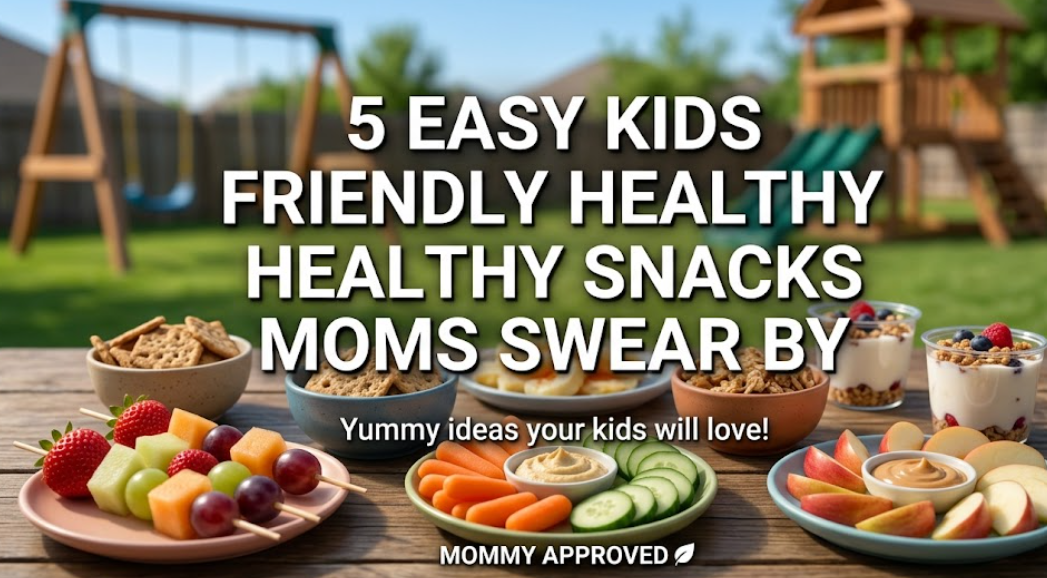
This article is built around that idea. These are five easy, kid-friendly, healthy snacks that many moms rely on because they work in real life. They’re simple, flexible, and designed for busy households where time, patience, and energy are often limited.
Along the way, you’ll find practical tables, comparisons, and tips that make these snacks easier to prepare and even easier to repeat.
why kid-friendly healthy snacks matter more than you think
Children are naturally active, curious, and constantly growing. That means they need consistent energy throughout the day—not just at meal times.
Snacks play a key role in:
- Maintaining energy levels between meals
- Supporting growth and development
- Preventing excessive hunger (and meltdowns)
- Introducing new flavors and textures
But there’s a catch: snacks can either support these goals or work against them.
quick comparison: typical snack vs balanced snack
| Snack Type | Example | Effect on Kids |
|---|---|---|
| Sugary snack | Candy, sweet biscuits | Quick energy, then crash |
| Processed snack | Chips | Low nutrition, low satiety |
| Balanced snack | Fruit + protein | Stable energy, better focus |
what makes a snack “kid-approved”
Through trial and error, most parents discover a pattern. Kids tend to accept snacks that meet a few simple criteria:
| Factor | Why It Matters |
|---|---|
| Easy to eat | No complicated utensils |
| Mild flavors | Not too spicy or bitter |
| Fun texture | Crunchy, creamy, or soft |
| Visual appeal | Bright colors or simple shapes |
| Familiarity | Slight variations of known foods |
- banana peanut butter roll-ups
This snack feels like a treat but delivers real nutrition. It’s soft, slightly sweet, and easy for kids to handle.
how to make
- Take a whole wheat tortilla
- Spread peanut butter
- Place a banana inside
- Roll and slice into small pieces
nutrition snapshot
| Component | Quantity | Protein | Calories |
|---|---|---|---|
| Tortilla | 1 | 4g | 100 |
| Peanut butter | 1 tbsp | 4g | 90 |
| Banana | 1 medium | 1g | 90 |
| Total | — | ~9g | ~280 |
why moms love it
- Quick to prepare
- Naturally sweet (no added sugar needed)
- Easy for small hands to hold
kid appeal factor
The bite-sized roll pieces make it feel fun, almost like finger food.
- yogurt parfait cups
Layered snacks tend to attract kids instantly. This one combines texture, color, and flavor.
how to assemble
- Greek yogurt or plain yogurt
- Fresh fruit (berries or chopped mango)
- A sprinkle of granola
nutrition table
| Component | Quantity | Protein | Calories |
|---|---|---|---|
| Yogurt | 150g | 8–12g | 90–120 |
| Fruit | — | 1g | 50–70 |
| Granola | 20g | 2g | 90 |
| Total | — | ~11–15g | ~230–280 |
why it works
- Balanced mix of protein, carbs, and fiber
- Visually appealing layers
- Customizable for picky eaters
parent tip
Let kids build their own parfait—it increases the chances they’ll eat it.
- cheese cubes with crackers and cucumber
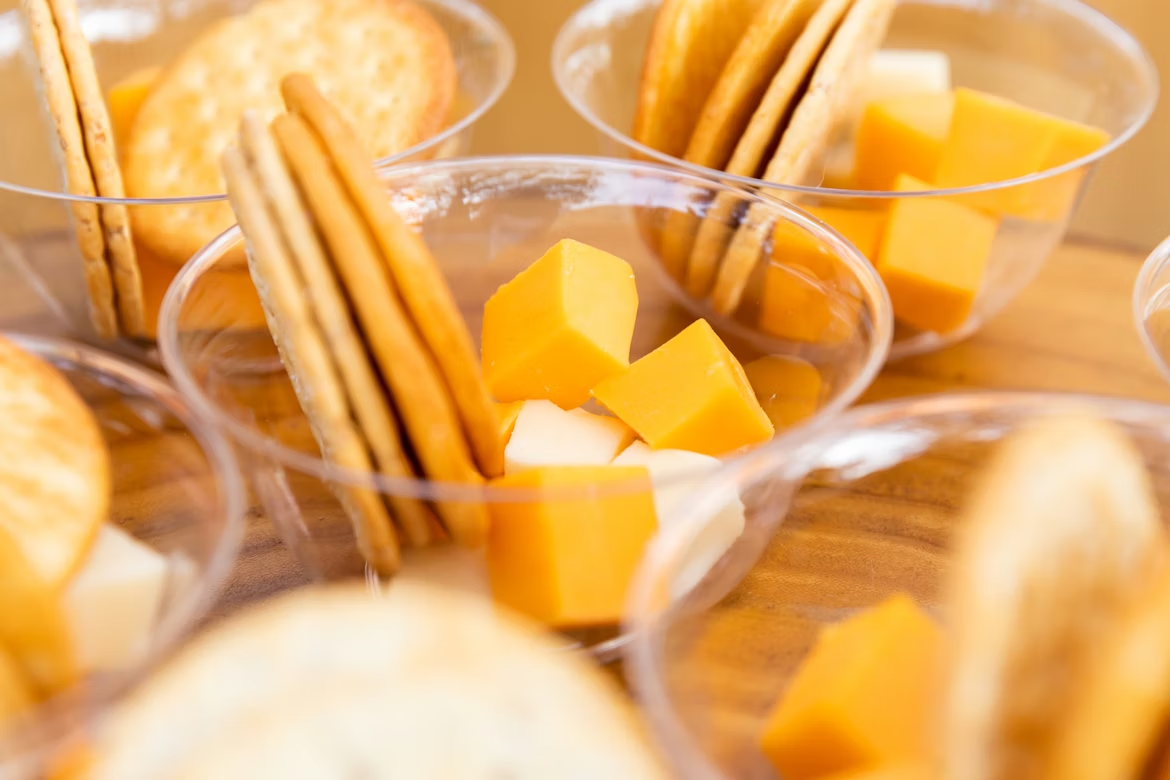
A simple “snack plate” often works better than a single item.
what to include
- Cheese cubes
- Whole grain crackers
- Cucumber slices
nutrition breakdown
| Component | Quantity | Protein | Calories |
|---|---|---|---|
| Cheese | 40g | 10g | 160 |
| Crackers | 3–4 | 3g | 80 |
| Cucumber | — | 1g | 15 |
| Total | — | ~14g | ~255 |
why moms rely on it
- No cooking required
- Balanced nutrients
- Easy to adjust portions
kid appeal factor
The “mix and match” style makes it more engaging.
- homemade energy bites
These are a lifesaver for busy days. You can prepare them in batches and store them for the week.
basic recipe
- Oats
- Peanut butter
- Honey
- Optional: chocolate chips or raisins
nutrition estimate (per 2 bites)
| Component | Protein | Calories |
|---|---|---|
| Oats + peanut butter mix | ~6g | ~150–180 |
why it works
- Portable and mess-free
- Naturally sweet
- Easy to customize
storage tip
Keep them refrigerated in an airtight container for up to a week.
- apple slices with yogurt dip
This snack combines crunch and creaminess, which many kids enjoy.
how to prepare
- Slice apples
- Serve with a yogurt-based dip (yogurt + honey + cinnamon)
nutrition table
| Component | Quantity | Protein | Calories |
|---|---|---|---|
| Apple | 1 medium | 1g | 95 |
| Yogurt dip | 100g | 5–7g | 70–90 |
| Total | — | ~6–8g | ~165–185 |
why moms swear by it
- Encourages fruit consumption
- Feels like a treat without excess sugar
- Quick to prepare
comparison chart: snack strengths
| Snack | Prep Time | Protein | Kid Appeal | Portability |
|---|---|---|---|---|
| Banana roll-ups | 5 min | Medium | High | Medium |
| Yogurt parfait | 5–7 min | Medium | Very high | Low |
| Cheese snack plate | 3 min | High | High | Medium |
| Energy bites | Prep ahead | Medium | High | High |
| Apple + yogurt dip | 5 min | Low | High | Medium |
sample weekly snack rotation
| Day | Snack Option |
|---|---|
| Monday | Yogurt parfait |
| Tuesday | Banana roll-ups |
| Wednesday | Cheese snack plate |
| Thursday | Energy bites |
| Friday | Apple + yogurt dip |
This rotation helps prevent boredom while keeping preparation manageable.
how to handle picky eaters without stress
Every parent encounters resistance at some point. Instead of forcing change, small adjustments can help:
- introduce one new ingredient at a time
- keep portions small
- pair new foods with familiar favorites
- avoid pressure during snack time
portion guide by age
| Age Group | Snack Portion Size |
|---|---|
| 2–4 years | Small portions |
| 5–8 years | Moderate |
| 9–12 years | Larger portions |
common mistakes parents make
- relying too much on packaged snacks
They’re convenient but often lack balanced nutrition. - offering snacks too close to meals
This reduces appetite for main meals. - using snacks as rewards
This can create unhealthy relationships with food. - not planning ahead
Preparation makes healthy choices easier.
practical tips for busy moms
- prep ingredients the night before
- keep grab-and-go items ready
- involve kids in preparation
- rotate snacks weekly
faq section
- how many snacks should kids have per day?
Most children benefit from 1–2 snacks between meals, depending on age and activity level.
- can healthy snacks still include sweet flavors?
Yes. Natural sweetness from fruits or small amounts of honey is perfectly fine.
- what if my child refuses healthy snacks?
Keep offering them without pressure. Familiarity over time increases acceptance.
- are store-bought snacks okay?
Occasionally, yes. Just check for added sugars and low nutritional value.
- how do i save time preparing snacks?
Batch preparation (like energy bites or boiled eggs) can save time during the week.
- can these snacks replace meals?
No. Snacks are meant to supplement meals, not replace them.
final thoughts
Feeding kids doesn’t have to be complicated. In fact, the simpler the approach, the more sustainable it becomes. These five snacks work not because they’re perfect, but because they’re practical.
They fit into busy schedules, adapt to different preferences, and most importantly—they get eaten. That alone makes them worth keeping in your routine.
Start with one or two options, see how your child responds, and adjust as needed. Over time, these small choices can build healthier habits that last far beyond childhood.