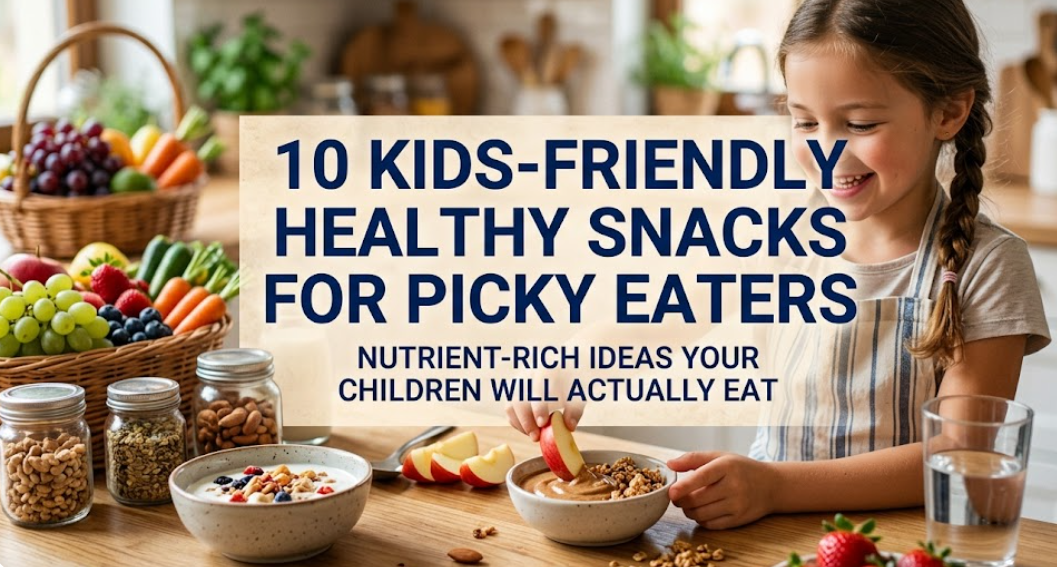
Anyone who has ever tried to feed a picky eater knows it’s not just about nutrition—it’s negotiation, creativity, patience, and sometimes pure luck. Kids don’t reject food because they’re difficult; often, they’re reacting to texture, color, smell, or even past experiences. What adults see as “healthy,” children may see as unfamiliar or unappealing.
The good news is that picky eating doesn’t require force or frustration to fix. Small, strategic changes—especially in snacks—can gradually reshape preferences. Snacks are less pressured than meals, which makes them the perfect opportunity to introduce balanced nutrition in ways that feel fun and safe for kids.
This guide explores ten kid-friendly healthy snacks designed specifically for picky eaters. These ideas focus on familiarity, gentle exposure to new foods, and combinations that make healthy ingredients feel exciting rather than intimidating.
why kids become picky eaters
Picky eating is often a phase, not a permanent trait. It tends to peak between ages 2 and 6, when children become more aware of their environment and more cautious about new experiences—including food.
Here are some common reasons:
| Reason | Explanation |
|---|---|
| Texture sensitivity | Mushy or mixed textures feel uncomfortable |
| Strong flavors | Bitter or unfamiliar tastes are rejected |
| Visual appearance | Color or shape affects acceptance |
| Control & independence | Saying “no” is part of development |
| Past experiences | One bad experience can create long-term aversion |
Understanding these reasons helps shift the approach from forcing to guiding.
what makes a snack “kid-friendly”
Not every healthy snack works for picky eaters. The most successful ones share certain traits:
- Simple ingredients (not too mixed or complicated)
- Familiar base (bread, fruit, yogurt, etc.)
- Fun presentation (shapes, colors, bite-sized)
- Balanced taste (not too strong or bitter)
Here’s a quick comparison:
| Snack Type | Acceptance Rate |
|---|---|
| Plain, familiar foods | High |
| Mixed, complex dishes | Low |
| Fun-shaped snacks | Very high |
Now let’s explore snacks that actually work in real-life situations.
- banana peanut butter roll-ups
Take a soft flatbread or roti, spread peanut butter, place a banana inside, roll it up, and slice into small pinwheels.
Why kids like it:
It looks like a fun snack roll rather than “healthy food.” The sweetness of banana makes it instantly appealing.
Nutrition highlights:
| Component | Benefit |
|---|---|
| Banana | Natural sweetness |
| Peanut butter | Protein + healthy fat |
| Flatbread | Familiar texture |
Tip: Cut into small circles to make it visually fun.
- mini yogurt parfait cups
Layer yogurt with small pieces of fruit and a sprinkle of crushed biscuits or granola.
Why kids like it:
It feels like dessert. The layers make it visually interesting.
Energy balance:
| Ingredient | Role |
|---|---|
| Yogurt | Protein + calcium |
| Fruit | Vitamins + sweetness |
| Granola | Crunch factor |
Tip: Use clear cups so kids can see the layers.
- cheese and whole grain crackers
This simple combo is often overlooked but highly effective.
Why kids like it:
It’s familiar and easy to eat. No surprises.
Nutritional table:
| Nutrient | Source |
|---|---|
| Protein | Cheese |
| Fiber | Whole grains |
| Energy | Balanced |
Tip: Use fun-shaped crackers if possible.
- apple slices with yogurt dip
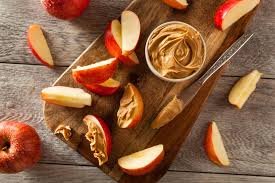
Serve thin apple slices with a small bowl of yogurt for dipping.
Why kids like it:
Dipping makes eating interactive and fun.
Texture comparison:
| Element | Texture |
|---|---|
| Apple | Crunchy |
| Yogurt | Creamy |
Tip: Add a tiny drizzle of honey to the yogurt if needed.
- homemade chicken or veggie nuggets
Instead of processed nuggets, make simple baked versions at home using chicken or mashed vegetables.
Why kids like it:
It mimics a favorite fast-food item.
Nutrition upgrade chart:
| Type | Fat | Protein | Additives |
|---|---|---|---|
| Store-bought | High | Moderate | High |
| Homemade baked | Low | High | Minimal |
Tip: Use fun shapes or molds.
- fruit and cheese skewers
Alternate small cubes of fruit and cheese on a stick.
Why kids like it:
It looks like a colorful treat rather than a snack.
Visual appeal chart:
| Feature | Impact on Kids |
|---|---|
| Colorful | High interest |
| Bite-size | Easy to eat |
| Skewered | Fun factor |
Tip: Use safe, blunt sticks for younger kids.
- smoothie popsicles
Blend fruit with yogurt or milk and freeze in molds.
Why kids like it:
It feels like ice cream or candy.
Cooling snack benefit:
| Feature | Advantage |
|---|---|
| Cold | Refreshing |
| Sweet | Naturally appealing |
| Soft texture | Easy to eat |
Tip: Let kids help choose flavors.
- mini egg muffins
Mix eggs with small pieces of vegetables or cheese and bake in muffin trays.
Why kids like it:
They look like cupcakes but are savory.
Nutritional snapshot:
| Nutrient | Value |
|---|---|
| Protein | High |
| Vitamins | Moderate |
| Sugar | Low |
Tip: Keep ingredients simple at first.
- peanut butter and oat balls
Mix oats, peanut butter, and a little honey, then roll into small balls.
Why kids like it:
They resemble treats or sweets.
Energy chart:
| Component | Effect |
|---|---|
| Oats | Slow energy release |
| Peanut butter | Satiety |
| Honey | Quick sweetness |
Tip: Make them small and easy to hold.
- popcorn with light seasoning
Air-popped popcorn is a great alternative to chips.
Why kids like it:
It’s light, crunchy, and fun to eat in handfuls.
Snack comparison:
| Snack | Calories | Volume |
|---|---|---|
| Chips | High | Low |
| Popcorn | Low | High |
Tip: Add a pinch of salt or mild spices.
how to introduce new snacks without resistance
Even the best snack can be rejected if introduced the wrong way.
Here’s a practical approach:
| Strategy | Result |
|---|---|
| Offer without pressure | Builds trust |
| Pair with favorites | Increases acceptance |
| Repeat exposure | Reduces resistance |
| Let kids choose | Builds independence |
It often takes 8–10 exposures before a child accepts a new food.
sample weekly snack plan
| Day | Snack Idea |
|---|---|
| Monday | Banana roll-ups |
| Tuesday | Yogurt parfait |
| Wednesday | Cheese + crackers |
| Thursday | Apple + yogurt dip |
| Friday | Nuggets (homemade) |
| Saturday | Smoothie popsicles |
| Sunday | Oat balls |
Rotation prevents boredom and keeps things interesting.
common mistakes parents make
- forcing kids to eat
This often increases resistance. - offering too many choices
It can overwhelm rather than help. - giving up too quickly
Kids need repeated exposure. - using junk food as reward
This makes unhealthy food more desirable.
small changes that make a big difference
| Change | Impact |
|---|---|
| Cut food into shapes | Increases interest |
| Use colorful plates | Improves appeal |
| Eat together | Encourages imitation |
Children often copy what they see more than what they’re told.
final thoughts
Feeding picky eaters isn’t about perfection—it’s about patience and consistency. Snacks provide a low-pressure way to introduce better nutrition while still respecting a child’s preferences.
What works today might not work tomorrow, and that’s normal. The key is to keep offering, keep experimenting, and keep the experience positive.
Over time, these small efforts build familiarity, and familiarity builds acceptance.
faqs
- how do I deal with a child who refuses everything new?
Start with very small portions alongside familiar foods. Repeated exposure without pressure is key. - how many snacks should kids have daily?
Typically 1–2 snacks between meals are enough, depending on age and activity level. - can picky eating affect growth?
If it’s extreme or long-lasting, it can. In most cases, offering balanced options regularly helps maintain proper nutrition. - should I hide vegetables in snacks?
It can help initially, but it’s also important for kids to eventually recognize and accept those foods openly. - what if my child only wants sweet snacks?
Gradually reduce added sugars and introduce naturally sweet options like fruits paired with protein. - how long does it take to change eating habits?
It varies, but consistent exposure over a few weeks often shows improvement.