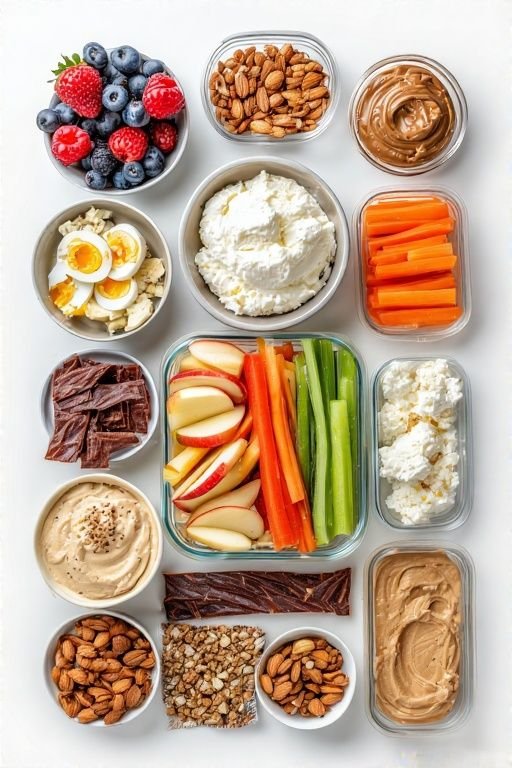
There’s something quietly exhausting about office life that people don’t talk about enough. It’s not always the workload—it’s the sitting, the long stretches between meals, the easy access to vending machines, and the constant temptation to reach for whatever is fast, not what is nourishing. Over time, those little choices add up.
I didn’t realize how much my energy dips, cravings, and even mood were tied to my snack habits until I made a deliberate shift toward high-protein options. The difference wasn’t dramatic overnight—but within a couple of weeks, I noticed fewer crashes, better focus, and surprisingly, less mindless eating.
This article isn’t about perfection or strict dieting. It’s about practical, fast, high-protein snacks that fit into real office routines—whether you have a fridge, a drawer, or just a backpack.
Let’s get into it.
why protein matters in the office setting
Before diving into the snacks themselves, it helps to understand why protein plays such a crucial role—especially during a typical workday.
Protein isn’t just for athletes or bodybuilders. It helps regulate hunger hormones, stabilize blood sugar, and maintain steady energy levels. When you rely heavily on carb-heavy snacks like biscuits, chips, or sugary drinks, you often experience quick spikes followed by energy crashes.
In contrast, protein slows digestion and keeps you full longer. That’s exactly what you want when you’re stuck in meetings or trying to stay focused during long tasks.
Here’s a quick comparison:
| Snack Type | Energy Pattern | Fullness Duration | Focus Impact |
|---|---|---|---|
| Sugary snacks | Spike → Crash | Short (1–2 hrs) | Decreases |
| High protein snacks | Steady release | Long (3–5 hrs) | Improves |
- greek yogurt with nuts

This is one of the simplest upgrades you can make.
Plain Greek yogurt is packed with protein—often 15–20 grams per serving. Add a small handful of almonds or walnuts, and you’ve got a balanced snack that covers protein, healthy fats, and a bit of crunch.
Why it works in the office:
- Requires minimal prep
- Easy to store in a fridge
- Can be eaten quickly between tasks
Quick nutrition snapshot:
| Component | Amount |
|---|---|
| Protein | 18–22g |
| Calories | ~200 |
| Prep time | 2 min |
- boiled eggs
Boiled eggs are underrated in office settings, mostly because people assume they’re inconvenient. In reality, they’re one of the most efficient protein sources you can carry.
Two boiled eggs deliver around 12–14 grams of protein and are extremely filling.
Tips for office use:
- Boil in batches (3–4 days worth)
- Keep them in a sealed container
- Add a pinch of salt or black pepper for taste
| Metric | Value |
|---|---|
| Protein (2 eggs) | 12g |
| Calories | 140 |
| Shelf life | 3–4 days refrigerated |
- cottage cheese with fruit
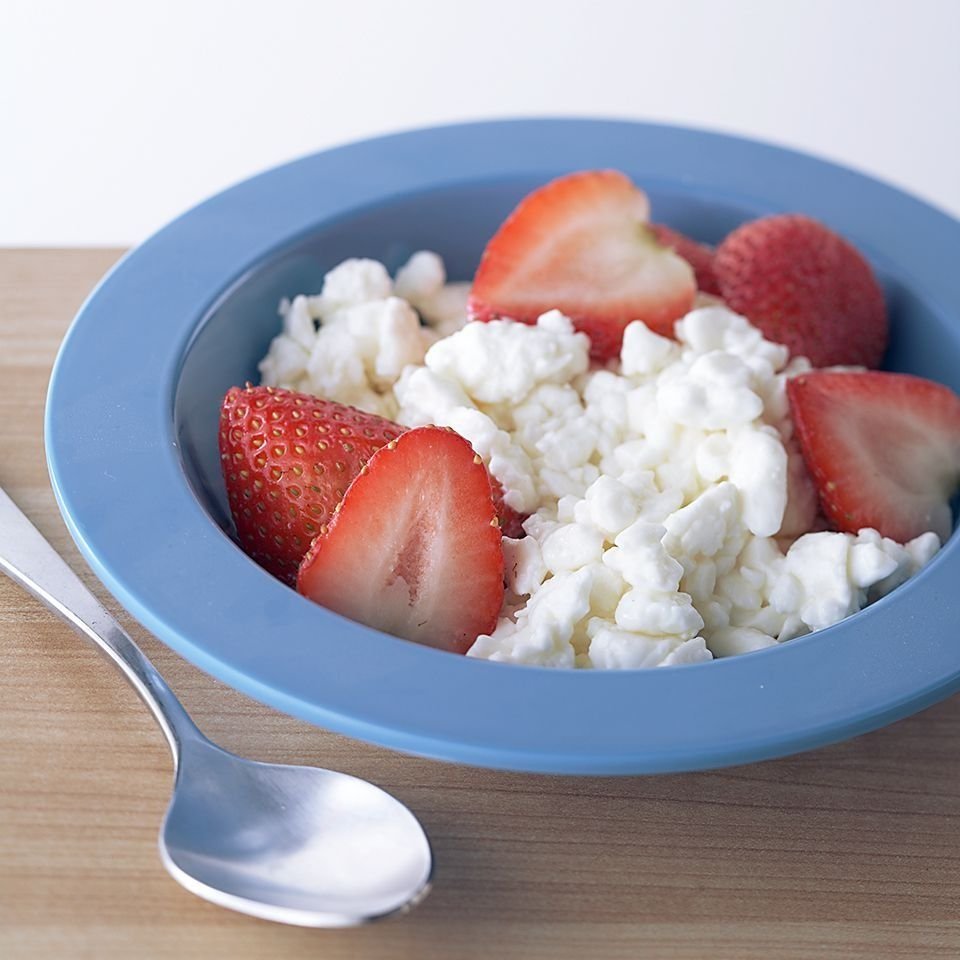
Cottage cheese is another protein powerhouse that doesn’t get enough attention. It pairs surprisingly well with fruit like pineapple, apple slices, or berries.
This combination gives you both protein and natural sugars—perfect for mid-afternoon slumps.
Why it’s practical:
- No cooking required
- Customizable flavors
- Keeps hunger in check
| Serving Size | Protein | Calories |
|---|---|---|
| 1 cup | 24g | 200 |
- roasted chickpeas
If you prefer something crunchy, roasted chickpeas are a fantastic alternative to chips.
They’re high in plant-based protein and fiber, making them satisfying without being heavy.
You can buy them pre-roasted or make your own:
- Toss chickpeas in olive oil, salt, and spices
- Bake for 25–30 minutes
| Nutrient | Amount (1 cup) |
|---|---|
| Protein | 14g |
| Fiber | 12g |
| Calories | 270 |
- protein bars (smart choices)
Not all protein bars are created equal. Some are basically candy bars with added protein.
Look for bars with:
- At least 10–15g protein
- Low added sugar
- Simple ingredient list
They’re ideal for:
- Busy mornings
- Emergency desk snacks
- Travel days
Comparison:
| Bar Type | Protein | Sugar | Verdict |
|---|---|---|---|
| Candy-style | 8g | High | Avoid |
| Balanced bar | 15g | Low | Best choice |
- peanut butter with apple slices
This is one of those combinations that feels indulgent but is actually quite balanced.
Peanut butter provides protein and healthy fats, while apples add fiber and natural sweetness.
Why it’s great:
- No refrigeration needed (short term)
- Easy to pack
- Satisfies sweet cravings
| Component | Value |
|---|---|
| Protein | 8g |
| Calories | 180–220 |
| Prep time | 3 min |
- tuna packets with whole grain crackers
Tuna is one of the highest protein, lowest effort snacks you can keep at your desk.
Single-serve tuna packets eliminate the need for cans or draining.
Pair it with whole grain crackers for added texture and energy.
| Metric | Value |
|---|---|
| Protein | 20g |
| Calories | ~220 |
| Prep time | 2 min |
- cheese and turkey roll-ups
This is a no-carb, high-protein option that works especially well if you’re trying to stay light but full.
Simply wrap slices of turkey around cheese sticks or slices.
Why it works:
- High protein density
- No utensils needed
- Very portable
| Nutrient | Amount |
|---|---|
| Protein | 15–18g |
| Calories | 200 |
- lentil salad cups
If you have access to a fridge, lentil salad is a powerful plant-based option.
Mix cooked lentils with:
- Chopped cucumber
- Tomatoes
- Lemon juice
- Olive oil
This creates a refreshing, protein-rich snack that feels like a mini-meal.
| Nutrient | Amount |
|---|---|
| Protein | 18g |
| Fiber | 15g |
| Calories | 230 |
- smoothies (protein-focused)
A quick smoothie can be a lifesaver when you don’t feel like eating solid food.
Basic office-friendly recipe:
- Milk or yogurt
- Protein powder (optional)
- Banana
- Peanut butter
Blend at home and carry in a bottle.
| Component | Value |
|---|---|
| Protein | 20–25g |
| Calories | 250–300 |
| Time to prep | 5 min |
- mixed nuts and seeds
While not extremely high in protein compared to other options, nuts and seeds are still a valuable snack—especially for convenience.
They provide:
- Moderate protein
- Healthy fats
- Long-lasting energy
Keep portion sizes in check.
| Serving | Protein | Calories |
|---|---|---|
| 30g mix | 6g | 170 |
weekly office snack planning chart
Planning ahead makes a huge difference. Here’s a simple rotation you can follow:
| Day | Snack Option |
|---|---|
| Monday | Greek yogurt + nuts |
| Tuesday | Boiled eggs |
| Wednesday | Cottage cheese + fruit |
| Thursday | Tuna + crackers |
| Friday | Protein bar |
| Saturday | Peanut butter + apple |
| Sunday | Lentil salad |
how to build your own snack system
Instead of relying on random choices, create a simple system:
- Keep 2–3 shelf-stable snacks at your desk
- Prepare 2–3 fresh options at home
- Rotate to avoid boredom
Ideal snack balance:
| Component | Purpose |
|---|---|
| Protein | Fullness & stability |
| Fiber | Digestion & satiety |
| Healthy fats | Sustained energy |
common mistakes to avoid
Even healthy snacks can backfire if you’re not mindful.
Over-snacking
Eating every hour—even healthy foods—can lead to excess calories.
Ignoring portions
Nuts, peanut butter, and cheese are easy to overeat.
Relying on “healthy labels”
Many packaged snacks are marketed as healthy but contain hidden sugars.
realistic expectations
Switching to high-protein snacks won’t transform your life overnight—but it will quietly improve your workday.
You may notice:
- Fewer cravings
- More stable energy
- Better concentration
These small improvements compound over time.
faqs
- how much protein should I aim for in a snack?
A good range is 10–20 grams per snack. This is enough to keep you full without being too heavy. - can I rely only on protein bars?
Not ideal. While convenient, whole food sources like eggs, yogurt, and legumes provide more nutrients and variety. - what if I don’t have access to a fridge?
Go for shelf-stable options like nuts, protein bars, roasted chickpeas, and tuna packets. - are plant-based snacks as effective as animal-based ones?
Yes, but you may need slightly larger portions to match protein levels. Lentils, chickpeas, and nuts are excellent options. - will high-protein snacks help with weight loss?
They can help control hunger and reduce overeating, which supports weight management—but overall diet still matters. - what’s the best time to eat these snacks?
Typically mid-morning or mid-afternoon—when energy dips and cravings are most common.
closing thoughts
Office life isn’t going anywhere, and neither are the long hours, meetings, and deadlines. But your energy, focus, and overall well-being don’t have to suffer because of it.
The snacks you choose might seem like small decisions, but they shape your entire day more than you realize.
You don’t need to overhaul everything at once. Start with one or two options from this list, keep them consistent, and notice how your body responds.
Sometimes, the simplest changes are the ones that stick—and the ones that matter most.