
If you’ve ever found yourself staring at your screen at 3 PM with zero energy, you already know the problem isn’t just hunger—it’s the wrong kind of fuel. Most snacks promise quick satisfaction but end up delivering a crash an hour later. The real solution lies in combining protein with smart ingredients that sustain energy instead of draining it.
Over time, I’ve experimented with dozens of snack combinations—some boring, some overrated, and a few surprisingly powerful. What follows are seven “secret” high-protein snacks that go beyond the usual suggestions. These aren’t just about grams of protein; they’re about how those nutrients work together to keep your body steady, focused, and energized.
Before diving into the snacks themselves, it helps to understand why protein plays such a crucial role in energy.
why protein matters for sustained energy
Protein isn’t just for muscle building. It’s essential for stabilizing blood sugar levels, which directly affects your energy. When you eat high-carb snacks alone, your blood sugar spikes quickly and then drops just as fast. That drop is what causes fatigue, brain fog, and cravings.
Protein slows digestion. This means energy is released gradually instead of all at once. When combined with healthy fats and fiber, protein creates a steady fuel source for hours.
Here’s a simple comparison:
| Snack Type | Energy Release | Hunger Return | Focus Level |
|---|---|---|---|
| Sugary biscuit | Fast spike | Very quick | Low |
| Chips | Moderate spike | Quick | Low |
| Protein + fiber snack | Slow & steady | Delayed | High |
The goal is not just to eat more protein, but to eat it in combinations that maximize its effect.
- greek yogurt with crushed almonds and honey drizzle
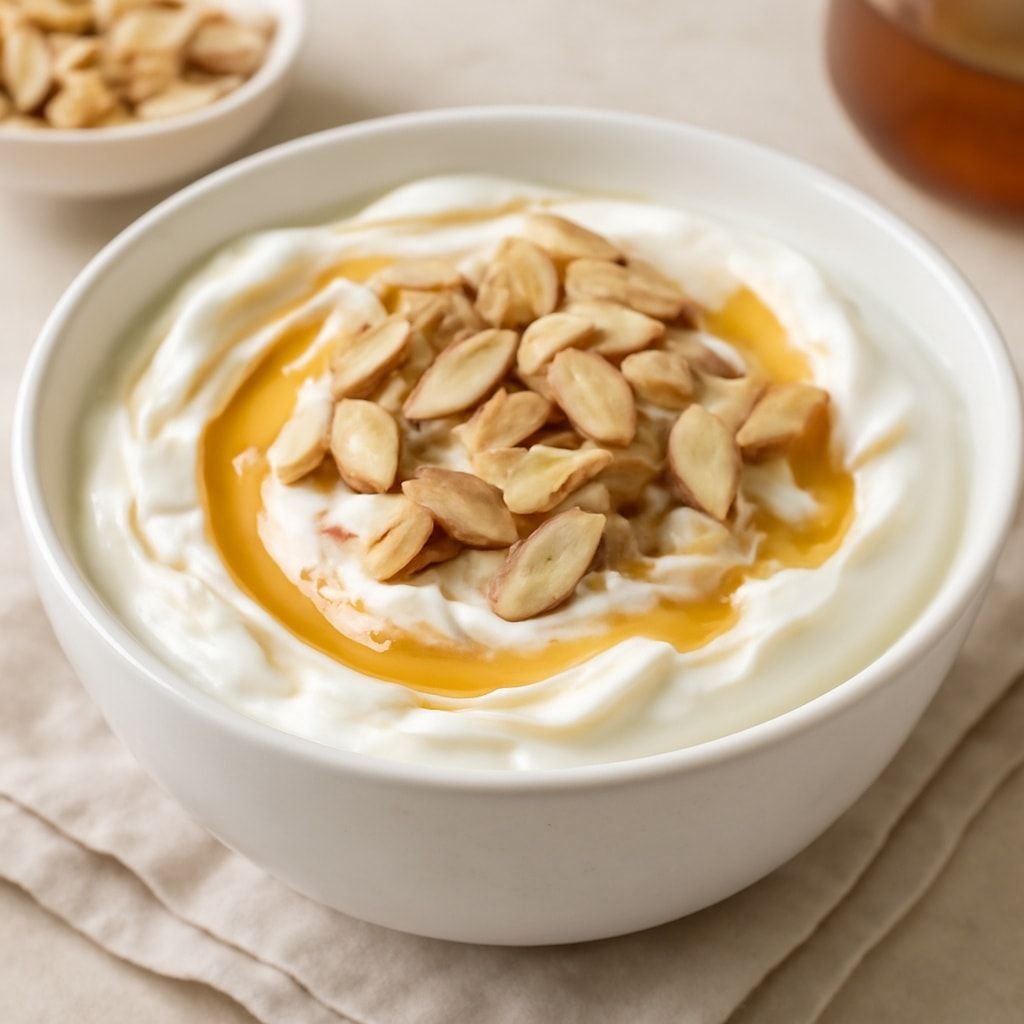
This might sound simple, but the magic is in the combination and proportions. Thick Greek yogurt delivers a dense protein base, while almonds add healthy fats and a bit of crunch. A small drizzle of honey adds just enough sweetness without overwhelming your blood sugar.
Why it works:
The protein from yogurt is slow-digesting, while almonds add satiety. Honey, in a controlled amount, provides a gentle glucose lift rather than a spike.
Nutritional snapshot (approximate):
| Component | Protein | Calories | Key Benefit |
|---|---|---|---|
| Greek yogurt | 15g | 120 | Muscle repair, satiety |
| Almonds (10 pcs) | 3g | 70 | Healthy fats |
| Honey (1 tsp) | 0g | 20 | Quick energy boost |
Total: ~18g protein
Tip: Use unsweetened yogurt to keep sugar in check.
- boiled chickpeas with olive oil and spices

Chickpeas are often overlooked as a snack, but they’re a powerhouse of plant-based protein and fiber. Toss them with a bit of olive oil, salt, black pepper, and a squeeze of lemon.
Why it works:
The fiber in chickpeas slows digestion significantly, which keeps energy levels stable. Olive oil adds healthy fats that further enhance satiety.
Energy profile chart:
| Time After Eating | Energy Level |
|---|---|
| 0–30 min | Moderate |
| 30–120 min | Stable high |
| 2–4 hours | Gradual dip |
Tip: Roast them lightly for a crunchy version.
- cottage cheese with sliced cucumber and black pepper
Cottage cheese is one of the highest protein snacks you can eat with minimal calories. Pairing it with cucumber adds hydration and volume without adding unnecessary calories.
Why it works:
Cottage cheese contains casein protein, which digests slowly and provides a long-lasting amino acid release. This makes it ideal for sustained energy.
Quick breakdown:
| Nutrient | Value |
|---|---|
| Protein | 20g |
| Calories | 150 |
| Hydration boost | High |
Tip: Add a pinch of salt and pepper for flavor without extra calories.
- peanut butter banana mini wraps
Take a small whole wheat roti or tortilla, spread a thin layer of peanut butter, and add banana slices. Roll it up and slice into bite-sized pieces.
Why it works:
This snack combines protein (peanut butter), carbs (banana), and fiber (whole wheat), creating a balanced energy release.
Macro balance:
| Nutrient Type | Source | Role |
|---|---|---|
| Protein | Peanut butter | Sustained energy |
| Carbs | Banana | Immediate fuel |
| Fiber | Whole wheat | Slows digestion |
Tip: Keep peanut butter portion controlled to avoid excess calories.
- egg and avocado halves
Hard-boiled eggs paired with slices of avocado create a nutrient-dense snack that’s both filling and energizing.
Why it works:
Eggs provide complete protein, while avocado contributes healthy fats that stabilize energy levels.
Nutritional table:
| Food | Protein | Fat | Calories |
|---|---|---|---|
| 2 eggs | 12g | 10g | 140 |
| ½ avocado | 2g | 15g | 120 |
Total: ~14g protein
Tip: Sprinkle chili flakes or lemon juice for extra flavor.
- roasted paneer cubes with spices
Paneer is a fantastic protein source, especially in vegetarian diets. Lightly roast cubes with turmeric, salt, and a touch of oil.
Why it works:
Paneer contains slow-digesting protein and fats that keep you full and energized for hours.
Energy curve:
| Phase | Effect |
|---|---|
| Initial | Mild boost |
| Mid (1–2 hrs) | Strong stability |
| Later (3+ hrs) | Gradual decline |
Tip: Avoid deep frying—light roasting is enough.
- protein smoothie with oats and seeds
Blend milk (or plant milk), a scoop of protein powder (optional), oats, chia seeds, and a small fruit portion.
Why it works:
This snack combines multiple energy sources—protein, fiber, and slow carbs—making it ideal for long-lasting energy.
Sample composition:
| Ingredient | Benefit |
|---|---|
| Oats | Slow-release carbs |
| Chia seeds | Fiber + omega-3 |
| Milk | Protein + calcium |
| Fruit | Natural sweetness |
Estimated protein: 20–25g
Tip: Keep fruit portions moderate to control sugar.
comparing all 7 snacks
| Snack | Protein | Prep Time | Best Time to Eat |
|---|---|---|---|
| Greek yogurt + almonds | 18g | 2 min | Morning |
| Chickpeas mix | 10g | 5 min | Afternoon |
| Cottage cheese + cucumber | 20g | 3 min | Evening |
| Peanut butter banana wrap | 12g | 5 min | Pre-work |
| Eggs + avocado | 14g | 10 min | Anytime |
| Roasted paneer | 18g | 8 min | Afternoon |
| Protein smoothie | 25g | 5 min | Post-workout |
patterns behind effective energy snacks
Looking across these snacks, a few patterns emerge:
- Protein is always paired with either fat or fiber
- Sugar is present in small, controlled amounts
- Whole foods dominate over processed ingredients
- Preparation is simple, making consistency easier
This isn’t accidental. Energy stability depends more on balance than on any single nutrient.
how to choose the right snack for your day
Not every snack fits every situation. Your activity level, time of day, and even stress levels can influence what works best.
If you need quick focus:
Go for yogurt with almonds or cottage cheese. These are light but effective.
If you need long-lasting fullness:
Paneer, eggs, or chickpeas are better options.
If you need something portable:
Peanut butter wraps or roasted chickpeas work well.
If you need recovery fuel:
A protein smoothie is the best choice.
common mistakes to avoid
Even healthy snacks can backfire if not done right.
- overeating “healthy” foods
Too much peanut butter or paneer can add unnecessary calories. - ignoring portion sizes
Balance matters more than quantity. - relying on protein bars
Many are high in sugar and low in real nutrition. - skipping hydration
Dehydration often feels like fatigue.
simple energy planning chart
| Time of Day | Recommended Snack Type |
|---|---|
| Morning | Light protein + fat |
| Midday | Balanced protein + carbs |
| Afternoon | High protein + fiber |
| Evening | Light, slow-digest protein |
This structure helps maintain consistent energy throughout the day.
final thoughts
The idea of “secret” snacks isn’t about exotic ingredients or complicated recipes. It’s about understanding how food works in your body and making small, intentional choices. Once you start combining protein with the right supporting nutrients, you’ll notice fewer crashes, better focus, and more consistent energy.
You don’t need all seven snacks every day. Even rotating two or three can make a noticeable difference.
faqs
- how much protein should a snack contain for energy?
A good target is 10–20 grams of protein per snack. This range is enough to stabilize blood sugar without being too heavy. - can I rely only on protein for energy?
Not entirely. Protein works best when combined with fats or carbs. A balanced snack provides more stable energy than protein alone. - are plant-based protein snacks as effective as animal-based ones?
Yes, as long as they are well-balanced. Combining legumes, seeds, and grains can provide complete nutrition and sustained energy. - what is the best snack for afternoon fatigue?
Chickpeas, paneer, or a protein smoothie are excellent options because they provide steady energy without causing a crash. - can these snacks help with weight management?
Yes. High-protein snacks increase satiety, which can reduce overeating later in the day. - how often should I eat high-protein snacks?
1–2 times per day is usually enough, depending on your meals and activity level. Over-snacking can lead to excess calorie intake.