Evenings used to feel like a race I couldn’t quite win. The hours between late afternoon and bedtime were the most unpredictable—homework half-done, energy levels all over the place, and the inevitable question: “Can I have something to eat?”
At first, I handled it the way most people do—quick fixes. Packaged snacks, sugary treats, anything that would buy a little peace. It worked for a few minutes, but it always came with consequences: sudden bursts of energy followed by crashes, complaints at dinner, and restless nights.
Over time, I realized the issue wasn’t the snacking itself. It was what I was offering and how I was offering it.
So I started experimenting. Nothing fancy. Just simple, healthier options that kids would actually eat—snacks that felt fun, tasted good, and didn’t create chaos later. Slowly, the evenings changed. They became calmer, more predictable, even enjoyable.
Here are five kid-friendly healthy snacks that made that shift possible, along with practical breakdowns, ideas, and small systems that helped make them stick.
why evening snacks matter for kids
Children experience energy dips just like adults—often more intensely. After school, their bodies need refueling, but the type of snack matters more than the timing.
Here’s a simple comparison that changed how I approached snack time:
| Factor | Sugary Snacks | Balanced Healthy Snacks |
|---|---|---|
| Energy levels | Spike then crash | Steady and sustained |
| Mood | Irritable after crash | More stable |
| Appetite at dinner | Reduced | Balanced |
| Focus | Short bursts | Longer attention span |
| Sleep | Can be disrupted | More restful |
The goal isn’t to eliminate snacks—it’s to make them work with your child’s natural rhythm.
snack 1: banana peanut butter roll-ups
This quickly became a favorite, mostly because it feels like a treat while still being nutritious.
how it’s made
Take a whole wheat tortilla, spread a thin layer of peanut butter, place a banana inside, roll it up, and slice into bite-sized pieces.
nutritional overview (per serving)
| Component | Approximate Value |
|---|---|
| Calories | 200–250 |
| Protein | 6–8g |
| Fiber | 3–5g |
| Natural sugars | 10–14g |
why kids love it
It looks fun. The bite-sized pieces feel like little snacks instead of one big portion, which makes it more engaging.
parent insight
This snack kept my kids full enough to avoid constant “I’m hungry” interruptions, but not so full that they skipped dinner.
variation chart
| Variation | Twist |
|---|---|
| Add a drizzle of honey | Slightly sweeter taste |
| Use almond butter | Different flavor |
| Sprinkle cinnamon | Warm, dessert-like feel |
snack 2: yogurt parfait with fruit and granola
This snack adds a bit of creativity to the mix. Kids can even help assemble it.
how it’s made
Layer plain or lightly sweetened yogurt with fresh fruit and a small handful of granola.
nutritional overview
| Component | Approximate Value |
|---|---|
| Calories | 180–220 |
| Protein | 8–10g |
| Carbs | 20–25g |
| Fiber | 2–4g |
why it works so well
It combines textures—creamy, crunchy, juicy—which keeps kids interested. It also feels like dessert, which helps with acceptance.
build-your-own parfait chart
| Layer | Options |
|---|---|
| Base | Yogurt |
| Fruit | Berries, banana, apple |
| Crunch | Granola, seeds |
| Extra | Honey, raisins |
behavioral benefit
Letting kids build their own snack reduces resistance and increases excitement.
snack 3: mini veggie and cheese plates
This one took the longest to catch on, but it ended up being one of the most valuable.
how it’s made
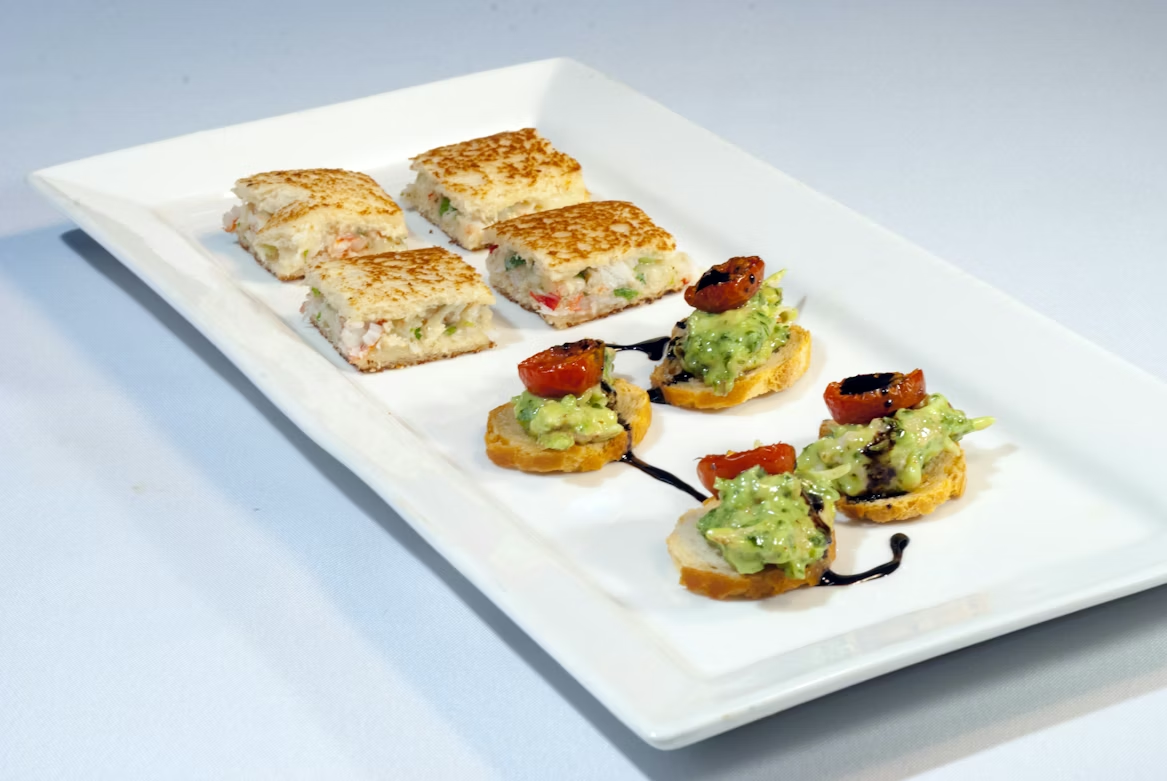
Arrange small portions of sliced cucumbers, carrots, cherry tomatoes, and cubes of cheese on a plate.
nutritional overview
| Component | Approximate Value |
|---|---|
| Calories | 150–200 |
| Protein | 6–9g |
| Fiber | 3–5g |
| Fat | 6–8g |
why it matters
It introduces vegetables in a low-pressure way. No forcing, no rules—just availability.
presentation strategy
| Tip | Result |
|---|---|
| Use colorful veggies | More appealing |
| Cut into fun shapes | Increases curiosity |
| Serve with dip | Encourages trying |
what changed over time
At first, only the cheese was eaten. Eventually, curiosity took over, and the vegetables became part of the routine.
snack 4: apple slices with peanut butter dip
Simple, reliable, and consistently well-received.
how it’s made
Slice apples and serve with a small bowl of peanut butter for dipping.
nutritional overview
| Component | Approximate Value |
|---|---|
| Calories | 180–220 |
| Protein | 4–5g |
| Fiber | 4–6g |
| Natural sugars | 15–18g |
why it works
The dipping element makes it interactive. Kids are more likely to eat something when it involves a bit of play.
flavor pairing guide
| Apple Type | Taste Profile |
|---|---|
| Green | Tart and crisp |
| Red | Sweet and mild |
| Mixed | Balanced |
evening benefit
This snack helped reduce requests for sweets because it satisfied both sweet and savory cravings.
snack 5: homemade popcorn with light seasoning
Popcorn turned out to be a surprising success.
how it’s made
Air-pop or lightly cook popcorn, then add a small pinch of salt or mild seasoning.
nutritional overview
| Component | Approximate Value |
|---|---|
| Calories | 100–150 |
| Fiber | 3–4g |
| Fat | 2–4g |
| Carbs | 18–22g |
why kids enjoy it
It feels like a treat, especially if associated with relaxing activities like reading or family time.
seasoning ideas
| Flavor | Ingredients |
|---|---|
| Classic | Salt |
| Cheesy | Nutritional yeast |
| Sweet | Light cinnamon |
portion control insight
Serving popcorn in small bowls prevents overeating while still feeling satisfying.
evening transformation summary
After consistently offering these snacks, the changes became noticeable.
| Area | Before | After |
|---|---|---|
| Evening mood | Chaotic | Calm |
| Hunger complaints | Frequent | Predictable |
| Dinner resistance | High | Lower |
| Bedtime routine | Delayed | Smoother |
small systems that made a big difference
The snacks themselves mattered, but the structure around them mattered just as much.
snack timing chart
| Time | Purpose |
|---|---|
| After school | Replenish energy |
| Early evening | Prevent overeating later |
| Pre-dinner | Light snack if needed |
rules that helped without feeling strict
- Snacks are served at a set time
- Options are limited but consistent
- No pressure to finish everything
- Water is always available
These small guidelines created a sense of predictability.
common challenges and how I handled them
kids asking for sweets instead
Instead of saying no outright, I offered a choice between two healthy snacks. This shifted the focus from restriction to decision-making.
refusal to try new foods
I stopped insisting. Repeated exposure worked better than pressure.
overeating snacks
Portioning ahead of time helped avoid this without turning it into a conflict.
long-term benefits I didn’t expect
The biggest surprise wasn’t just calmer evenings—it was how these habits carried into other parts of the day.
- Kids started recognizing hunger cues
- They became more open to trying new foods
- Mealtime stress decreased
- Even grocery shopping became easier
healthy snacking turned into a foundation, not just a fix.
faqs
- what makes a snack kid-friendly
A snack is kid-friendly if it’s easy to eat, visually appealing, and has familiar flavors. Texture and presentation matter just as much as taste. - how much should kids eat during snack time
Portions depend on age and activity level, but snacks should be small enough to not replace meals. - can healthy snacks replace treats completely
Not necessarily. Occasional treats are fine, but balanced snacks should make up the majority of daily intake. - how do I get picky eaters to try these snacks
Start small, avoid pressure, and offer repeated exposure. Involvement in preparation also helps. - are evening snacks bad for kids
No, as long as they are balanced and timed properly. They can actually support better energy and mood. - how can I make snack time less stressful
Keep options simple, create a routine, and avoid turning it into a negotiation.
final thoughts
Evenings don’t have to feel like survival mode. Sometimes, the difference between chaos and calm comes down to something as simple as what’s on a plate.
These five snacks didn’t just feed hunger—they created structure, reduced stress, and made space for better moments at the end of the day.
And the best part? They’re easy enough to start tonight.