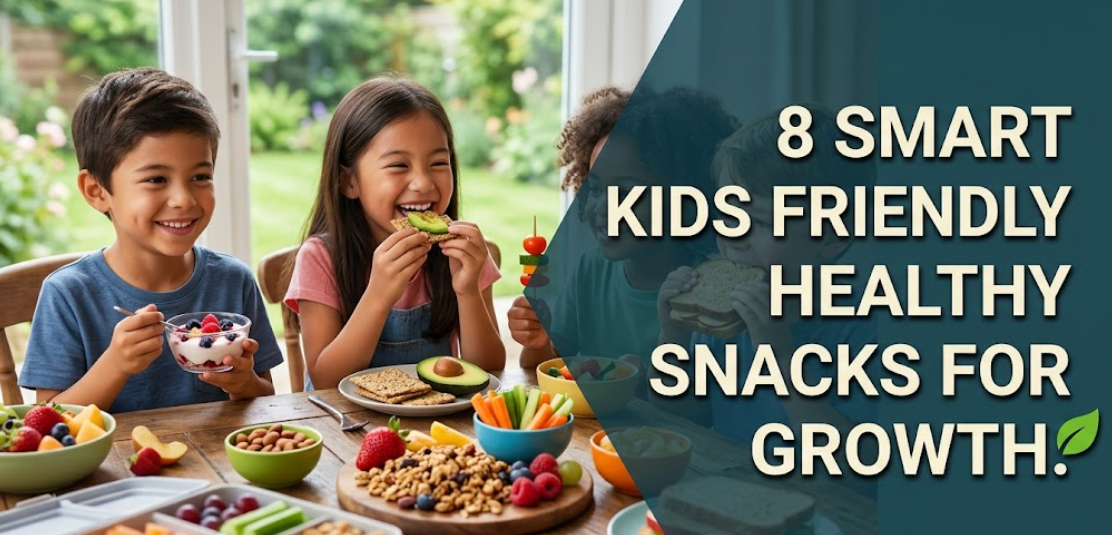
Feeding children is rarely as simple as it sounds. One day they love bananas, the next day they refuse them entirely. They crave sweets, skip vegetables, and often seem to run on endless energy—until they suddenly crash. In the middle of all this, parents are left wondering how to provide food that actually supports growth without turning every snack time into a battle.
The truth is, snacks are not just fillers between meals. For growing children, they are essential opportunities to deliver nutrients that fuel physical development, brain function, and sustained energy. A well-planned snack can improve concentration, stabilize mood, and even shape long-term eating habits.
This guide explores eight smart, kid-friendly healthy snacks that are simple, balanced, and designed to support growth—without sacrificing taste or practicality.
why snacks are important for growing kids
Children have smaller stomachs but higher energy needs compared to adults. This means they often can’t get all their nutrients from three main meals alone.
Healthy snacks help:
- Provide consistent energy throughout the day
- Support physical growth and muscle development
- Improve focus and learning ability
- Prevent overeating during main meals
- Maintain stable blood sugar levels
Instead of viewing snacks as “extras,” it helps to think of them as mini-meals.
key nutrients kids need for growth
Before choosing snacks, it’s useful to understand what growing bodies require most.
| Nutrient | Role in Growth | Food Sources |
|---|---|---|
| Protein | Builds muscles and tissues | Eggs, yogurt, beans |
| Calcium | Strengthens bones and teeth | Milk, cheese, yogurt |
| Iron | Supports brain development | Spinach, lentils, meat |
| Healthy fats | Brain function and energy | Nuts, seeds, avocado |
| Fiber | Aids digestion and fullness | Fruits, vegetables, whole grains |
A smart snack usually includes at least two of these nutrients.
how to build a kid-friendly healthy snack
A simple formula works best:
Protein + Healthy Fat + Natural Carbs = Balanced Snack
Example:
Banana + peanut butter + milk
This combination ensures energy, satiety, and nutrition.
- banana slices with peanut butter
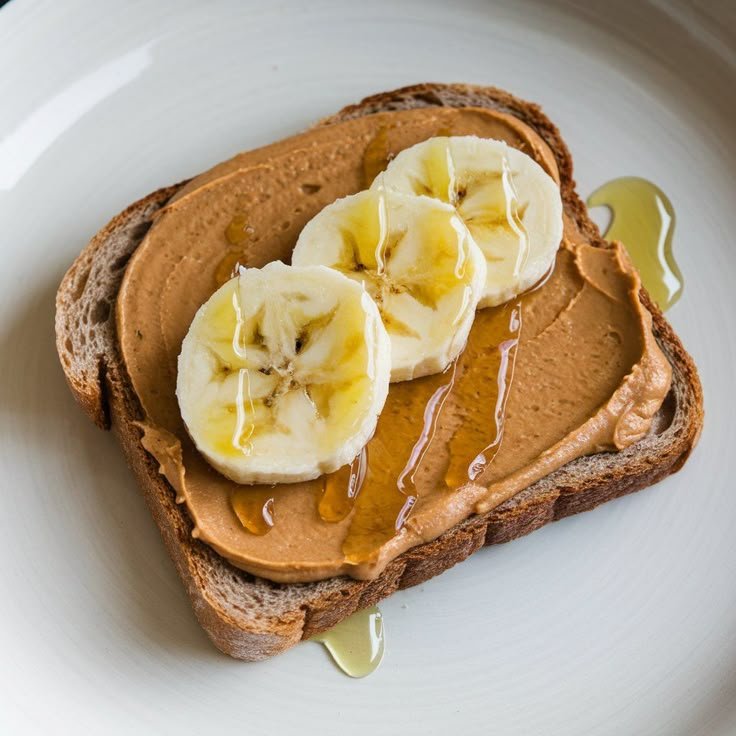
This classic snack is both nutritious and appealing to kids.
Why kids love it:
- Naturally sweet
- Fun to eat with fingers
- Creamy and satisfying
Why it supports growth:
- Bananas provide potassium and energy
- Peanut butter offers protein and healthy fats
nutrition overview:
| Nutrient | Amount |
|---|---|
| Calories | 200 |
| Protein | 6g |
| Fat | 8g |
| Carbs | 28g |
tip:
Cut bananas into small rounds and spread peanut butter lightly to avoid mess.
- yogurt parfait with fruits and granola
A colorful snack that feels like a treat.
Why kids love it:
- Looks like dessert
- Sweet and crunchy combination
Why it supports growth:
- Yogurt provides calcium and protein
- Fruits add vitamins and antioxidants
nutrition overview:
| Nutrient | Amount |
|---|---|
| Calories | 220 |
| Protein | 10g |
| Fat | 5g |
| Carbs | 30g |
tip:
Layer ingredients in a transparent cup to make it visually appealing.
- boiled egg with whole grain toast
Simple, filling, and nutrient-dense.
Why kids love it:
- Easy to eat
- Mild taste
Why it supports growth:
- Eggs provide complete protein
- Whole grains offer fiber and energy
nutrition overview:
| Nutrient | Amount |
|---|---|
| Calories | 210 |
| Protein | 11g |
| Fat | 9g |
| Carbs | 20g |
tip:
Cut toast into fun shapes to make it more engaging.
- apple slices with yogurt dip
A refreshing snack with a creamy twist.
Why kids love it:
- Crunchy and sweet
- Dip makes it interactive
Why it supports growth:
- Apples provide fiber
- Yogurt adds protein and calcium
nutrition overview:
| Nutrient | Amount |
|---|---|
| Calories | 180 |
| Protein | 8g |
| Fat | 4g |
| Carbs | 28g |
tip:
Add a touch of honey or cinnamon to the yogurt for flavor.
- homemade mini sandwiches
Small sandwiches are perfect for little hands.
Why kids love it:
- Bite-sized
- Customizable
Why it supports growth:
- Provides balanced nutrients
- Can include protein, veggies, and healthy fats
nutrition overview:
| Nutrient | Amount |
|---|---|
| Calories | 230 |
| Protein | 9g |
| Fat | 7g |
| Carbs | 30g |
tip:
Use whole grain bread and simple fillings like cheese, egg, or chicken.
- smoothie with milk and fruits
A great option for picky eaters.
Why kids love it:
- Sweet and drinkable
- Feels like a treat
Why it supports growth:
- Milk provides calcium and protein
- Fruits add vitamins
nutrition overview:
| Nutrient | Amount |
|---|---|
| Calories | 200 |
| Protein | 9g |
| Fat | 4g |
| Carbs | 32g |
tip:
Use a colorful straw or fun cup to make it exciting.
- roasted chickpeas
A crunchy alternative to chips.
Why kids love it:
- Crunchy texture
- Mild flavor with spices
Why it supports growth:
- Plant-based protein
- High in fiber
nutrition overview:
| Nutrient | Amount |
|---|---|
| Calories | 170 |
| Protein | 8g |
| Fat | 3g |
| Carbs | 25g |
tip:
Season lightly to suit kids’ taste preferences.
- cheese cubes with whole grain crackers
A simple, no-prep snack.
Why kids love it:
- Easy to eat
- Mild and familiar taste
Why it supports growth:
- Cheese is rich in calcium and protein
- Crackers provide energy
nutrition overview:
| Nutrient | Amount |
|---|---|
| Calories | 190 |
| Protein | 7g |
| Fat | 9g |
| Carbs | 18g |
tip:
Arrange in fun patterns or shapes on a plate.
comparison chart of snacks
| Snack | Protein | Calcium | Prep Time | Kid Appeal |
|---|---|---|---|---|
| Banana + peanut butter | 6g | Low | 2 min | High |
| Yogurt parfait | 10g | High | 5 min | Very High |
| Egg + toast | 11g | Medium | 10 min | Medium |
| Apple + yogurt dip | 8g | Medium | 5 min | High |
| Mini sandwiches | 9g | Medium | 7 min | High |
| Smoothie | 9g | High | 5 min | Very High |
| Roasted chickpeas | 8g | Low | 25 min | Medium |
| Cheese + crackers | 7g | High | 2 min | High |
sample weekly snack routine
| Day | Snack Option |
|---|---|
| Monday | Banana + peanut butter |
| Tuesday | Yogurt parfait |
| Wednesday | Egg + toast |
| Thursday | Smoothie |
| Friday | Cheese + crackers |
| Saturday | Apple + yogurt dip |
| Sunday | Mini sandwiches |
This rotation keeps snacks interesting and balanced.
common mistakes parents make
- offering too many sugary snacks
This can lead to energy crashes and poor eating habits. - forcing children to eat
Encouragement works better than pressure. - ignoring presentation
Kids often eat with their eyes first. - skipping snacks entirely
This can result in irritability and overeating later. - relying on packaged foods
Even “kids snacks” can contain hidden sugars and additives.
tips to make snacks more appealing
- Use colorful ingredients
- Cut food into fun shapes
- Let kids help prepare snacks
- Offer variety without overwhelming choices
- Keep portions small and manageable
Small changes in presentation can make a big difference.
long-term benefits of healthy snacking for kids
Consistent healthy snacking helps:
- Build strong bones and muscles
- Improve concentration in school
- Support emotional stability
- Develop lifelong healthy eating habits
- Reduce risk of obesity and nutrient deficiencies
These habits often carry into adulthood.
FAQs
- how many snacks should kids eat per day?
Most children benefit from 2–3 snacks daily, depending on age and activity level.
- what is the healthiest snack for kids?
Snacks that combine protein, healthy fats, and natural carbs—like yogurt with fruit—are ideal.
- can kids eat snacks every day?
Yes, healthy snacks are essential for growth and energy.
- how do I deal with picky eaters?
Offer variety, keep portions small, and avoid forcing them to eat.
- are packaged snacks okay sometimes?
Occasionally, yes—but whole foods should be the priority.
- what drinks are best with snacks?
Water and milk are the best options. Avoid sugary drinks.
final thoughts
Feeding kids well doesn’t require perfection, expensive ingredients, or complicated recipes. It’s about creating small, consistent habits that support growth and development.
The eight snacks in this guide are practical, adaptable, and designed for real life. They strike a balance between nutrition and taste—because a healthy snack only works if a child actually eats it.
Start simple. Try a few options. Pay attention to what your child enjoys. Over time, these small choices build a strong foundation for lifelong health—one snack at a time.