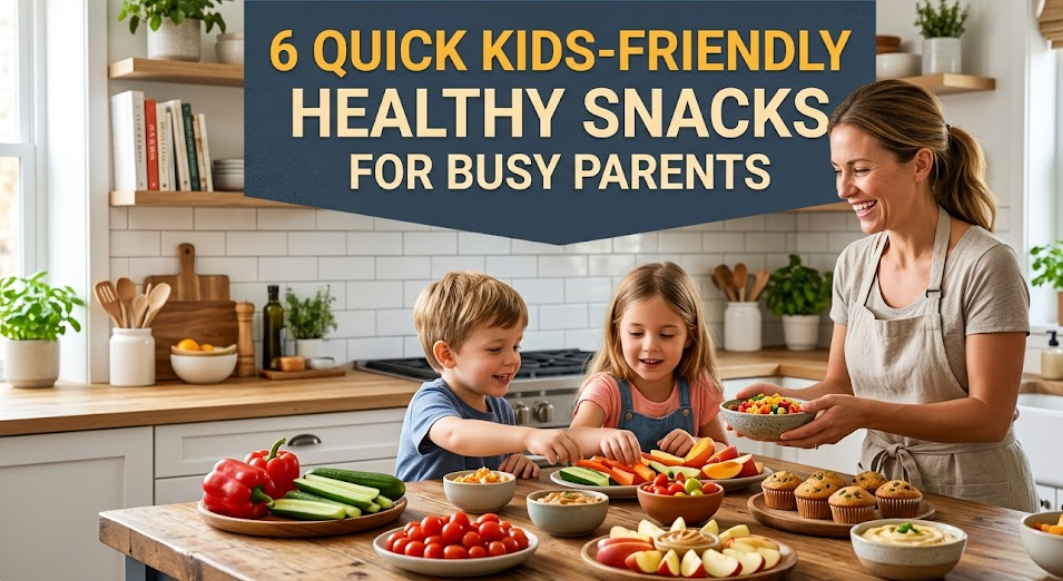
There’s a certain hour of the day—usually somewhere between school pickup and dinner—when everything speeds up. Bags are dropped, shoes go missing, someone asks for help with homework, and almost immediately comes the question: “Is there something to eat?”
For busy parents, snacks aren’t just food. They’re a bridge between meals, a way to prevent meltdowns, and sometimes the only thing standing between calm and chaos. The challenge is finding options that are quick, reasonably healthy, and actually appealing to kids.
Over time, I stopped chasing perfection and focused on practicality. These six snacks are the ones that consistently work. They’re simple, require minimal prep, and pass the most important test: kids will actually eat them.
why kid-friendly snacks matter more than we admit
Children don’t just eat for nutrition—they eat for comfort, routine, and energy. Their smaller stomachs and higher activity levels mean they often need snacks to stay balanced throughout the day.
But not all snacks are equal.
Here’s a quick comparison:
| Snack Type | Prep Time | Kid Appeal | Nutrition Value | Energy Effect |
|---|---|---|---|---|
| Sugary packaged food | None | Very high | Low | Quick spike + crash |
| Fried snacks | Low | High | Low | Heavy/sluggish |
| Balanced snacks | Low | High | Moderate–High | Steady energy |
The goal isn’t to eliminate treats—it’s to make everyday snacks more supportive of growth, focus, and mood.
snack 1: yogurt parfait cups
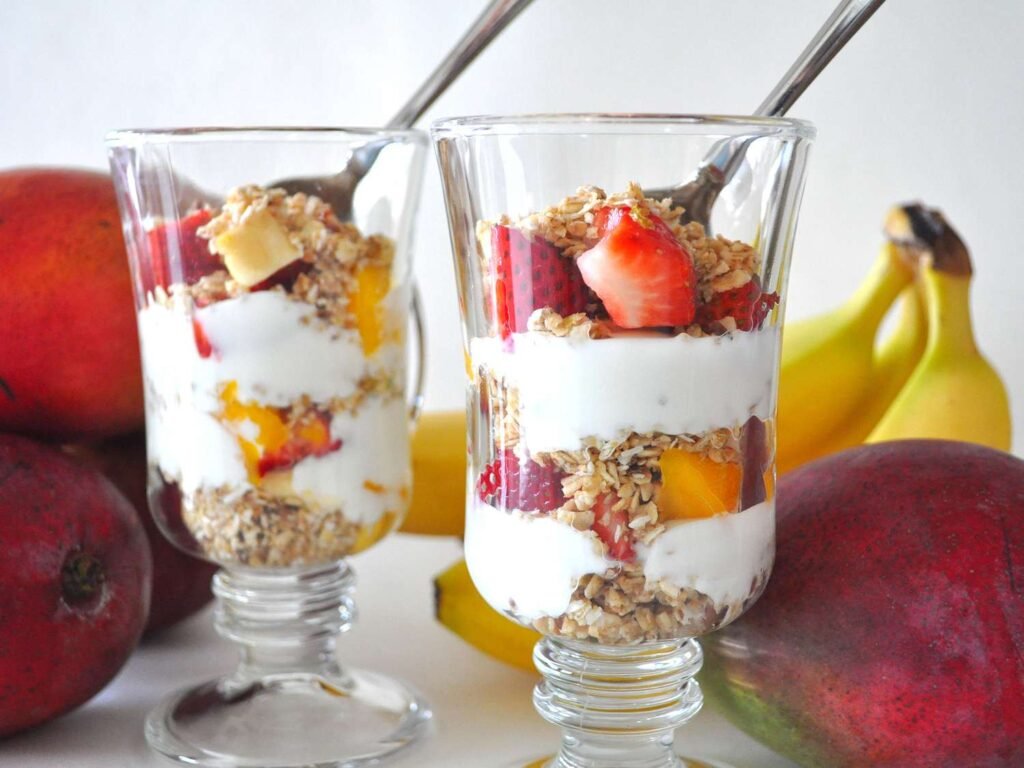
This is one of the easiest ways to make a snack feel special without much effort.
All you need is:
- yogurt (plain or lightly flavored)
- fruit (fresh or frozen)
- a sprinkle of granola or crushed biscuits
Layer everything in a cup, and it instantly looks more fun.
Why kids like it:
- colorful layers
- slightly sweet taste
- customizable
Why parents like it:
- quick to assemble
- contains protein and calcium
- adaptable based on what’s available
Nutrition breakdown:
| Component | Calories | Protein (g) | Benefit |
|---|---|---|---|
| Yogurt | 120 | 10–15 | Protein + calcium |
| Fruit | 40–60 | 1 | Vitamins + fiber |
| Granola | 50–80 | 2–3 | Crunch + energy |
| Total | 210–260 | 13–18 | Balanced snack |
Tip: Let kids build their own parfait—it often increases the chances they’ll eat it.
snack 2: peanut butter banana roll-ups
This snack feels like a treat but is surprisingly simple.
Ingredients:
- whole wheat tortilla
- peanut butter
- banana
Spread peanut butter, place the banana inside, roll it up, and slice into small pieces.
Why it works:
- soft texture for younger kids
- naturally sweet
- easy to hold and eat
Nutrition snapshot:
| Component | Calories | Protein (g) | Notes |
|---|---|---|---|
| Tortilla | 100 | 3 | Whole grains |
| Peanut butter | 95 | 4 | Healthy fats |
| Banana | 90 | 1 | Natural sweetness |
| Total | 285 | 8 | Filling snack |
You can also swap peanut butter for other spreads if needed.
snack 3: cheese cubes with crackers and fruit
Sometimes the simplest combinations are the most reliable.
This snack is essentially a mini “snack plate”:
- cheese cubes
- whole grain crackers
- sliced fruit
Why kids enjoy it:
- variety on one plate
- easy to pick and choose
- feels like a mini meal
Nutrition table:
| Component | Calories | Protein (g) | Benefit |
|---|---|---|---|
| Cheese | 110 | 7 | Calcium + protein |
| Crackers | 70 | 2 | Energy |
| Fruit | 50 | 1 | Fiber + vitamins |
| Total | 230 | 10 | Balanced option |
This is also great for picky eaters since they can eat what they prefer.
snack 4: homemade smoothie (kid-friendly version)
Smoothies are a lifesaver when kids aren’t in the mood to chew.
Basic blend:
- milk
- banana
- a handful of berries
- optional: yogurt
Blend until smooth.
Why it works:
- easy to drink
- naturally sweet
- can include multiple nutrients at once
Nutrition example:
| Ingredient | Calories | Protein (g) | Role |
|---|---|---|---|
| Milk | 100 | 8 | Calcium + protein |
| Banana | 90 | 1 | Sweetness |
| Berries | 40 | 1 | Antioxidants |
| Yogurt | 80 | 5 | Extra protein |
| Total | 310 | 15 | Nutrient-rich |
Tip: Use fun cups or straws—it can make a surprising difference.
snack 5: boiled eggs with a fun twist
Boiled eggs are nutritious, but presentation matters for kids.
Instead of serving them plain, try:
- slicing into halves
- adding a tiny sprinkle of salt
- arranging them in fun shapes
Why it’s effective:
- high protein
- keeps kids full longer
- simple to prepare in advance
Nutrition:
| Serving | Calories | Protein (g) | Benefit |
|---|---|---|---|
| 1 egg | 70 | 6 | High-quality protein |
You can pair eggs with a small fruit or cracker for balance.
snack 6: apple slices with yogurt dip
This snack adds a playful element with dipping.
Ingredients:
- apple slices
- yogurt mixed with a bit of honey or cinnamon
Why kids love it:
- interactive (dipping)
- sweet but not overwhelming
- crunchy + creamy combination
Nutrition overview:
| Component | Calories | Protein (g) | Notes |
|---|---|---|---|
| Apple | 95 | 0 | Fiber |
| Yogurt dip | 100 | 8–10 | Protein + creaminess |
| Total | 195 | 8–10 | Light snack |
how to make snack time easier for busy parents
Efficiency matters just as much as nutrition.
Here’s a simple system:
| Strategy | Example | Result |
|---|---|---|
| prep ahead | boil eggs, cut fruit | saves time later |
| keep it visible | snacks at eye level | encourages better choices |
| simplify options | rotate 4–6 snacks | less decision fatigue |
| involve kids | let them assemble snacks | higher acceptance |
sample after-school snack schedule
Structure can help reduce constant snacking.
| Time | Snack Option | Purpose |
|---|---|---|
| After school | Yogurt parfait | Refuel energy |
| Late afternoon | Cheese + crackers | Stay full until dinner |
common challenges and simple fixes
kids refuse healthy snacks
Try changing presentation rather than the food itself.
no time to prepare anything
Keep ready-to-eat items like yogurt, fruit, and cheese.
too much snacking before dinner
Offer smaller portions or lighter options.
picky eating
Provide variety in small amounts instead of forcing one item.
quick comparison chart of all six snacks
| Snack | Calories | Protein (g) | Prep Time | Kid Appeal |
|---|---|---|---|---|
| Yogurt parfait | 210–260 | 13–18 | 3 min | Very high |
| Banana roll-ups | 285 | 8 | 3 min | High |
| Cheese + crackers + fruit | 230 | 10 | 2 min | High |
| Smoothie | 300 | 15 | 5 min | Very high |
| Boiled eggs | 70–140 | 6–12 | 0 min | Moderate |
| Apple + yogurt dip | 195 | 8–10 | 2 min | High |
why these snacks actually work in real life
They’re not complicated. That’s the point.
These snacks succeed because they:
- use everyday ingredients
- require little to no cooking
- balance taste and nutrition
- fit into busy schedules
Most importantly, they reduce stress—for both parents and kids.
frequently asked questions
- how many snacks should kids have daily
Most kids do well with 1–2 snacks between meals, depending on age and activity level. - are these snacks suitable for school lunchboxes
Yes, many of them—like roll-ups, cheese plates, and fruit—can be packed easily. - what if my child is allergic to certain foods
You can substitute ingredients (e.g., sunflower butter instead of peanut butter). - how can I make snacks more exciting
Presentation helps—colorful plates, fun shapes, and variety can increase interest. - should snacks always include protein
It’s helpful, as protein keeps kids fuller and supports growth. - how do I stop constant snacking requests
Set a loose schedule and offer filling snacks to reduce frequent hunger.
final thoughts
Feeding kids well doesn’t require elaborate recipes or hours in the kitchen. In fact, the most effective snacks are often the simplest ones—the ones you can prepare without thinking, even on the busiest days.
When snacks are quick, balanced, and kid-approved, they stop being a daily struggle and start becoming part of a smooth routine. And for busy parents, that small shift can make a surprisingly big difference.